Leave Your Message

What Is the Best Drinking Water Tank in 2026?

Choosing the best Drinking Water Tank in 2026 is not just a matter of capacity or price. The tank must protect water quality through hot afternoons, seasonal demand, and long periods of storage. Material, installation, access for cleaning, and compatibility with the water supply all matter. Small details matter.

The WHO/UNICEF Joint Monitoring Programme reported that 2.2 billion people lacked safely managed drinking water services in 2022. That figure describes a global access gap, not a tank failure rate. Still, it underscores why safe storage deserves careful attention. Water-resources expert Peter Gleick has written, “Water is the most critical resource issue of our lifetime and our children’s lifetime.” His warning concerns water broadly, but it applies to the choices made between source and tap.

In this guide, we compare common tank materials, practical capacity needs, and features that can make inspection easier. We also consider whether the product’s claims are supported by recognized drinking-water-contact certifications, such as NSF/ANSI 61. A polished product page is not proof of performance. Nor is the largest tank automatically the best choice. A family with steady municipal service may need different storage than a remote property facing irregular supply. The honest answer is that no single model fits every home. The best Drinking Water Tank is the one whose documented materials, usable volume, and maintenance needs match the water source and the people relying on it.
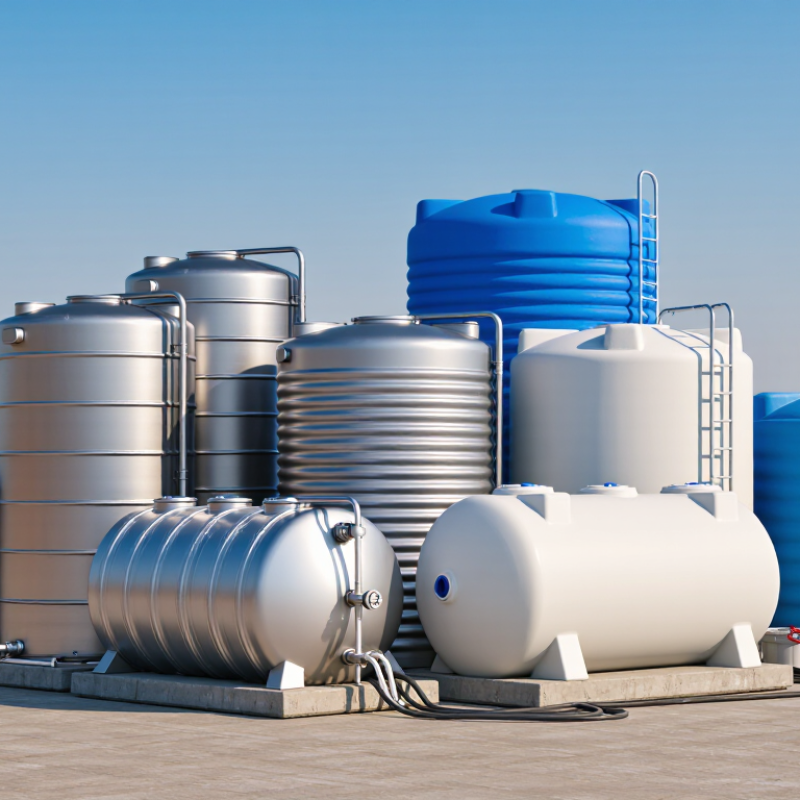
What Is the Best Drinking Water Tank in 2026?

What a Drinking Water Tank Is and How It Stores Water

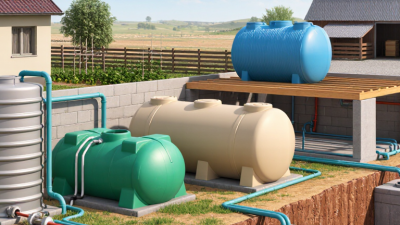
A drinking water tank is a closed container designed to store water for household use. It may sit above ground or below it, depending on available space and the water system. Water enters through an inlet and leaves through an outlet, either by gravity or with a pump. Simple, but important.

Inside, the tank should have a surface and lining rated for drinking water. A tight-fitting lid helps keep out dust, insects, and debris. A screened vent allows air to move as water fills or drains.

The outlet is often placed above the bottom, where sediment can collect. These details are easy to overlook. They matter.

The best drinking water tank in 2026 depends on how much water a household uses, how often supply is interrupted, and where the tank will stand. A capacity estimate can be wrong if actual use changes, so allow for reasonable demand without storing more than needed. Opaque construction can limit light exposure, while accessible inspection points make cleaning easier. Check for leaks, damaged fittings, and sediment regularly, following the tank maker’s care guidance. Even a well-built tank needs attention.
Which Materials and Designs Are Suitable for Potable Water

What Is the Best Drinking Water Tank in 2026?

Which Materials and Designs Are Suitable for Potable Water

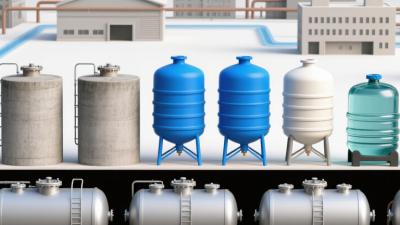
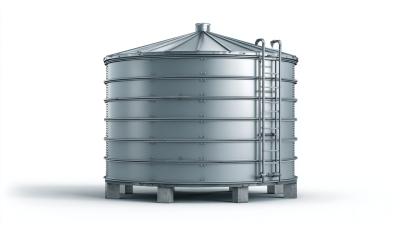
A potable-water tank should be chosen for verified water-contact suitability, not appearance alone. Stainless steel and certified food-grade polyethylene are common options. Stainless steel resists impact, but weld quality and interior finish matter. Polyethylene is lighter and often easier to install. It needs UV protection and documented approval for drinking-water use. Check local requirements.

Design also affects water quality. An opaque, tightly covered tank helps block light, dust, and insects. Smooth interior surfaces make inspection and cleaning easier. Look for a secure lid, screened vent, low-point drain, and fittings approved for potable water. Keep the outlet positioned to limit stagnant pockets. Small details matter.

Match capacity to daily use. A very large tank may leave water sitting for too long, despite feeling reassuring. A stable base, supported pipe connections, and shade can protect the tank and plumbing. Before purchase, review current test documents, material specifications, and cleaning instructions; a label alone tells you little. I would compare access for maintenance as carefully as price. That is easy to overlook.

How to Compare Tank Capacity, Safety, Durability, and Cost

A drinking water tank should fit your actual demand, not an impressive number on a product sheet. Estimate daily use and how many days you may need stored water. Then add a modest reserve, since household routines change. Capacity matters. A small tank may empty during a long interruption, while an oversized one costs more and needs careful upkeep. Recheck your estimate after tracking real use for a week.

Safety deserves more than a “food-safe” label. Check written documentation for drinking-water contact and look for independent certification recognized in your region. Confirm that fittings, seals, and any internal lining are covered too. Check the paperwork. A clean, covered access opening helps limit dust and insects; routine inspection and cleaning still matter. The tank alone does not guarantee safe water.

Compare durability against the installation site: sunlight, freezing temperatures, corrosion, and the weight of a full tank. Ask what foundation it needs and whether parts can be replaced. Compare the installed cost, not just the purchase price; include delivery, plumbing, pumps, filters, and maintenance. Small details matter. A spreadsheet can make one option look clearly best, but uncertain usage and repair costs can change the answer. Treat estimates as estimates.

How to Match a Tank to Your Water Source and Installation

What Is the Best Drinking Water Tank in 2026?
How to Match a Tank to Your Water Source and Installation

The best tank depends on where your water comes from and where the tank will sit. For a private well, confirm the tank is rated for potable water and suits your pump’s pressure system. For rainwater, choose a covered, opaque tank with a screened inlet to limit light, debris, and insect entry. Check the material’s suitability for drinking water; appearance alone proves little. Measure twice.

Tips: Estimate daily use, then allow for delivery delays or dry spells. Check the tank’s footprint, access openings, outlet position, and cleaning access before buying. A narrow doorway or sloped floor can turn a simple installation into a headache.

Place the tank on a level, load-rated base, and keep it protected from direct sunlight where practical. Make sure fittings match your pipes and that an overflow can drain safely away from the building. If the tank connects to a pump, confirm the pump’s pressure and flow requirements with a qualified installer. It is easy to focus on capacity and overlook maintenance. I would recheck access and drainage on site, even after measuring; plans do not always show every awkward corner.

What Is the Best Drinking Water Tank in 2026? - How to Match a Tank to Your Water Source and Installation

Water Source or Situation Tank Type to Consider Installation Match Key Advantages Important Checks Best-Fit Summary
Municipal water backup Potable-water-rated polyethylene or stainless steel Indoor utility room, basement, or a protected outdoor location; select a tank with a suitable footprint and access for maintenance. Can provide stored water during a supply interruption. Polyethylene is relatively light; stainless steel is durable and nonporous. Confirm the tank and wetted components are approved for drinking water. Include a covered access opening, screened vent, overflow, drain, and a plan to refresh stored water. A practical choice when the tank can be protected from contamination and the storage volume matches the household’s backup needs.
Private well water Potable-water-rated polyethylene or stainless steel Above ground in a clean, accessible area; connect with plumbing that allows inspection and cleaning. Provides storage between pumping cycles or during equipment servicing. Material choice can be based on installation space, budget, and water chemistry. Test private-well water regularly using an appropriate laboratory. A storage tank does not remove contaminants; treatment may be needed based on test results. Choose a tank as part of the well system, not as a substitute for water testing or treatment.
Rainwater intended for drinking Opaque, sealed, potable-water-rated polyethylene or a properly specified stainless-steel tank Above ground or buried only when the specific tank is designed and rated for burial; use a suitable base and protected pipe connections. Can store collected rainwater for later use. An opaque tank helps limit light exposure, which can encourage algae growth. Use appropriate roof and gutter materials, first-flush and debris controls, screened vents, and a treatment plan. Verify that local rules allow potable rainwater use. Suitable only when collection, storage, treatment, and testing are designed together for drinking-water use.
Limited indoor space or a small backup requirement Compact, potable-water-rated polyethylene tank Indoor installation with a level, load-capable floor and enough clearance to inspect fittings and clean the tank. Lightweight and available in a range of shapes and sizes, making it easier to fit into constrained spaces. Check filled weight, doorway access, UV exposure if outdoors, and manufacturer limits for temperature and pressure. Do not assume a standard storage tank is pressure-rated. Often a convenient option when low weight and flexible sizing matter more than a rigid, long-life metal construction.
Large-capacity storage with a demanding service life Stainless-steel tank specified for potable water Above-ground installation on an engineered, level support; confirm delivery access and structural capacity. Strong, durable construction and a smooth, nonporous surface when correctly manufactured and maintained. Stainless-steel grade and fittings should suit the water chemistry. Chlorides and other conditions can affect corrosion performance; inspect welds and connections. A strong candidate where durability is a priority and the installation can support the tank’s filled weight and cost.
Outdoor or underground installation Outdoor-rated or burial-rated potable-water tank, as applicable Use an above-ground model for exposed placement or a model expressly designed for burial; follow the manufacturer’s foundation, backfill, and anchoring instructions. Purpose-designed tanks can accommodate the stresses and exposure associated with their intended installation. Do not bury an above-ground tank. Account for soil and groundwater conditions, vehicle loads, frost, sunlight, and access for inspection. The installation rating is essential: choose the tank for the site conditions, not just its material or stated capacity.
Any drinking-water storage application Tank and fittings documented for potable-water contact Install with a secure lid, screened vent, accessible drain, suitable overflow, and plumbing that prevents contamination or unintended cross-connections. Helps ensure the tank is designed for contact with drinking water rather than merely for general liquid storage. Look for documentation to NSF/ANSI/CAN 61 or another applicable local drinking-water-contact requirement. Certification scope varies, so verify the exact model and components. Potable-water suitability is a baseline requirement, regardless of tank material or water source.
Capacity planning for a household Size based on measured demand and the intended reserve period Confirm the proposed location can support the full tank, water, fittings, and any required support structure. A demand-based calculation avoids choosing a tank solely by its advertised capacity. Estimate usable storage as average daily drinking and cooking demand multiplied by the desired reserve days; add a reasonable allowance and account for unusable volume. Household needs vary. Choose the smallest practical capacity that meets the reserve goal and fits the site safely.

Selection principle: There is no single best tank for every home. Verify potable-water suitability, installation rating, local requirements, water treatment needs, and safe support before purchasing or installing a tank.

How to Inspect and Maintain a Drinking Water Tank

The best drinking water tank in 2026 is one that suits your water source, household demand, and installation space. Yet even a well-chosen tank needs regular inspection. Check its exterior for damp patches, cracks, corrosion, or bulging. Look closely around the base and pipe connections, where small leaks can go unnoticed. Small defects matter.

Inspect the lid, access hatch, vent, and overflow opening. Each should be secure and free of debris, with screens intact where fitted. A loose lid can let insects or dust enter. Inside, use a flashlight from outside the tank to look for sediment, unusual discoloration, or damaged surfaces. Never climb into a tank; confined spaces can be dangerous and require trained personnel. Clear-looking water is not proof that a tank is clean.

Keep a dated record of inspections, repairs, and changes in taste or odor. Clean the tank according to its maker’s instructions and use only cleaning products intended for potable-water systems. The right interval depends on tank design, water quality, and use; inspect more often after repairs or contamination concerns. If water quality changes, arrange appropriate testing rather than relying on appearance alone. A routine can miss things, so review your notes and adjust it when problems recur.