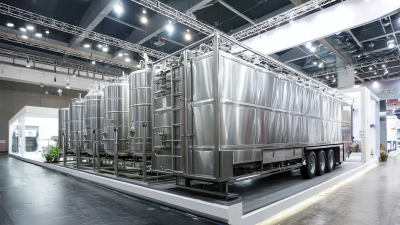
Choosing the right Water Tank in 2026 starts with the job it must do. A home collecting rainwater has different needs from a farm, workshop, or emergency supply. Picture the installation spot: a narrow side yard, a sunny roof, or a dusty paddock. Space, access, and exposure can narrow the options quickly. So can the water’s intended use. Drinking water calls for suitable materials and careful maintenance; irrigation may place greater emphasis on capacity and reliable outlet flow.
Water-storage consultant Lena Ortiz offers this guiding principle: “Choose for the water you need, the space you have, and the care you can realistically provide.” A tank that looks ideal on a product page may be awkward to clean or difficult to connect on site. That detail is easy to miss. Compare usable capacity, material, fittings, delivery access, and installation requirements before deciding. Check the manufacturer’s specifications, and ask a qualified installer about foundations and connections where needed. Climate matters, too: heat, frost, wind, and sunlight can affect placement and upkeep. There is no perfect tank for every property. Even a careful choice may need adjustment after daily use reveals real demand. This guide will help you weigh those trade-offs, compare common tank types, and spot questions worth asking before purchase. The aim is a practical fit—not simply the largest tank or the lowest price.
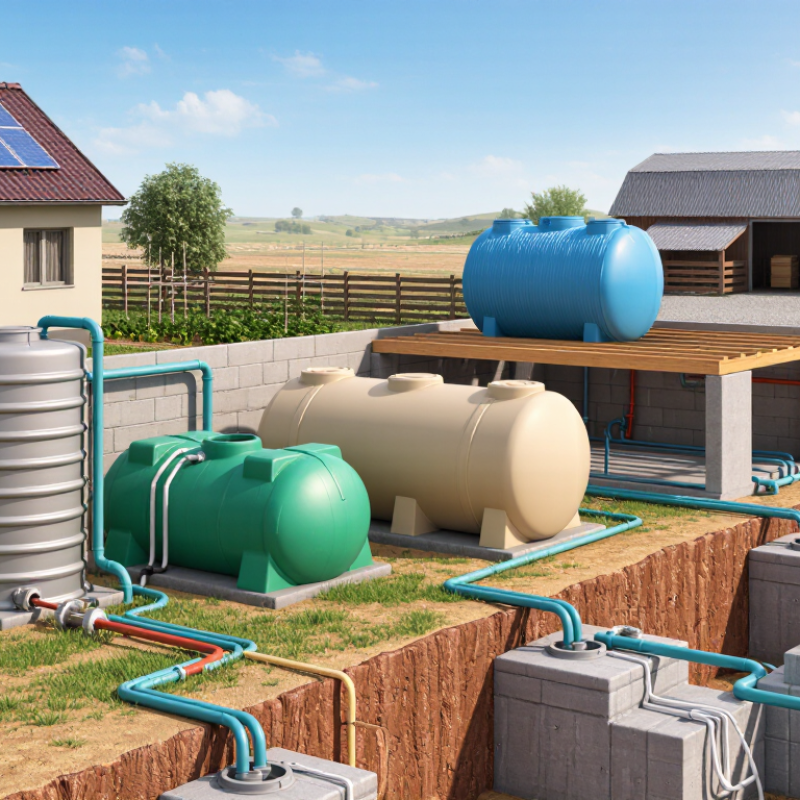
Before comparing tank materials, list what the water must do: supply drinking and cooking, cover toilet flushing and laundry, support irrigation, or provide backup during interruptions. These uses create very different demand patterns. The USGS report Estimated Use of Water in the United States, 2015 puts average public-supply use at about 82 gallons per person per day. Treat that as a planning reference, not a household prescription; climate, appliances, and outdoor watering can shift actual use substantially. Count people, note peak-use days, and check bills or meter readings if available.
Then size for the intended reserve period and the source’s refill rate. A household storing only essential indoor water needs a different capacity from one watering raised beds through a dry week. Estimate daily demand, multiply by the days you need coverage, and allow for unusable volume below the outlet. Keep a little margin. But avoid sizing by guesswork alone: a large tank may sit mostly empty, while a small one can run dry during back-to-back demands.
Leaks matter too. The US Environmental Protection Agency’s WaterSense program estimates household leaks can waste more than 10,000 gallons annually. Inspect taps, irrigation lines, and float valves before assuming a bigger tank is the fix. A simple log helps: record tank level, refill time, and daily use for a week. It is imperfect, but real measurements beat a neat estimate that misses the garden hose left running.
| Intended Use | Planning Water Demand | Sizing Example | Practical Tank Capacity | Key Considerations |
|---|---|---|---|---|
| Drinking and cooking | About 5–10 litres per person per day | Four people × 7 litres × 3 days = 84 litres | About 100–150 litres for a three-day supply | Allow extra capacity for visitors, hot weather, and water that cannot be used because of tank or outlet design. |
| Essential household reserve Drinking, cooking, and basic hygiene |
Use a local emergency-planning allowance; 50 litres per person per day is a practical example, not a universal standard. | Four people × 50 litres × 3 days = 600 litres | About 750–1,000 litres, including a reserve margin | Check local emergency guidance and account for medical needs, climate, and the reliability of the normal water supply. |
| Typical household use Indoor use, excluding major garden irrigation |
Approximately 100–150 litres per person per day in many household-planning estimates; actual use varies widely. | Four people × 120 litres × 3 days = 1,440 litres | About 1,500–2,000 litres for a three-day buffer at the example demand | Use meter readings or bills to estimate actual demand. A storage tank does not reduce consumption by itself. |
| Garden irrigation | About 10–20 litres per square metre for an irrigation event, equivalent to 10–20 mm of water applied. | 50 m² × 10–20 litres = 500–1,000 litres per event | Size according to garden area and the number of watering events between refills. | Rainfall, soil, plant type, season, and irrigation efficiency affect the amount needed. Watering restrictions may apply. |
| Rainwater collection | Estimated yield = rainfall (mm) × roof area (m²) × runoff factor. | 25 mm of rain × 100 m² of roof × 0.8 runoff factor = 2,000 litres before overflow and other losses. | Choose capacity based on expected rainfall, roof catchment, demand, and the time between rain events. | The 0.8 factor is an example estimate. Roof material, gutters, first-flush diversion, and local rainfall change the usable yield. |
Quick sizing method: Daily demand × the number of days of storage = estimated usable capacity. Add a margin for uncertainty, and check that the tank’s stated capacity is usable storage rather than total volume. Demand figures are planning estimates; local conditions and regulations may differ.
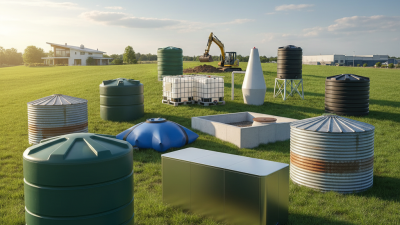
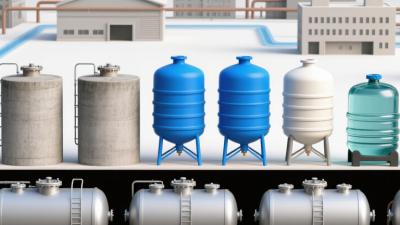
Compare the tank’s shape and installation needs before focusing on capacity. Vertical tanks use a smaller footprint, but need firm, level support. Horizontal tanks can suit low-clearance spaces or vehicle-mounted systems. Underground tanks preserve yard space. They also require careful excavation, drainage, and access for inspection. A tank that fits on paper may be awkward to clean or connect.
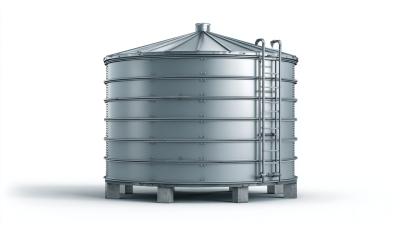
Material changes maintenance and service life. Polyethylene tanks are relatively light and resist rust, but sunlight and heat can affect them unless the design is suitable for outdoor exposure. Check wall thickness and UV protection. Steel tanks can handle demanding applications, though coatings, welds, and any internal liner need regular inspection. Fiberglass resists corrosion and weighs less than many steel options, but impact damage can be easy to miss. Concrete tanks are heavy and durable, yet cracks and lining condition deserve attention. No material is maintenance-free.
Match construction to the stored water, site, and climate. For drinking water, confirm that the tank and its fittings are rated for potable use; requirements vary by location. Look closely at access hatches, screened vents, overflow outlets, and drain placement. These details matter on a wet Tuesday, not just in a product diagram. I would also revisit the assumption that a larger tank is always safer: water that sits too long may become stale. Check expected use, refill frequency, and the manufacturer’s installation guidance before choosing.
Start with measured demand, not the tank size. For a household of four using about 50 liters per person each day, two days of storage requires 400 liters. Add roughly 15 percent for uncertain use, giving about 460 liters of usable capacity. This is a planning estimate, not a universal rule. Check bills or meter readings across several weeks; garden watering and occasional guests can change the numbers. Allow for water that sits below the outlet, since nominal tank volume may exceed what you can draw.
Then assess the installation site with a tape measure. Record the footprint, overhead clearance, and route through gates or doorways. A full 500-liter tank holds roughly 500 kilograms of water, before the tank’s own weight is added. The base must be level and suitable for that load; ask a qualified professional if its strength is uncertain. Check that an overflow can drain safely, and leave room to inspect fittings.
Small details matter. I once underestimated access space on a site plan; the tank fit, but maintenance became awkward.
Recheck dimensions against the actual delivery path before choosing a capacity.
How to Choose the Right Water Tank in 2026
A tank is only as safe as the water entering it. The WHO/UNICEF Joint Monitoring Programme reported that 2.2 billion people lacked safely managed drinking water in 2022. That global figure is not a tank-sizing guide, but it highlights why water quality deserves attention. For private wells, the U.S. EPA recommends annual testing for total coliform bacteria, nitrate, total dissolved solids, and pH. Keep dated lab results. Appearance can mislead.
For drinking-water storage, choose a tank specifically rated for potable water. Check whether its material meets NSF/ANSI/CAN 61 requirements for health effects from drinking-water contact. This certification does not test your water source. Match the tank to your water chemistry and intended use, then inspect its lid seal, screened vent, drain, and cleaning access. Sunlight through a loose hatch can encourage algae growth. Small details matter.
Local rules may affect tank placement, capacity, anchoring, plumbing connections, and permits. Ask your local building or health department before buying; requirements can differ even between neighboring areas. Check before buying. It is tempting to focus on price and capacity, but that is a weak shortcut when water safety and installation rules remain uncertain.
Use these WHO drinking-water guideline values as screening references when reviewing a water test. They are not tank specifications or a substitute for applicable local standards.
Compare laboratory results with the standards enforced in your area. Choose a tank material and fittings intended for potable water, and check local rules for installation, backflow protection, and permits. Source: WHO Guidelines for Drinking-water Quality, fourth edition incorporating the first and second addenda (2022). Lead value is provisional; guideline values and legal requirements may differ by jurisdiction.
How to Choose the Right Water Tank in 2026
Compare Lifetime Costs and Select the Best-Fit Tank
A tank’s purchase price is only the opening line on the bill. Compare delivery, base preparation, plumbing, cleaning, pumping energy, repairs, and eventual replacement. Then divide the total by usable capacity, not the advertised volume. A 5,000-litre tank may provide less practical storage if sediment, access, or operating limits reduce usable water. Check the site, too: a narrow gate can make delivery unexpectedly expensive.
The U.S. EPA’s 2023 Drinking Water Infrastructure Needs Survey and Assessment estimates $625 billion in drinking-water infrastructure needs over 20 years. That figure covers public water systems, not household tank prices, but it shows why maintenance and replacement deserve a place in cost planning. Compare materials, warranties, local repair availability, and water-quality requirements. A tank with a lower initial price may cost more if fittings are hard to source. One detail is easy to miss: the cost of getting a full tank inspected or cleaned.
Tips: Ask suppliers for itemized installation and maintenance estimates. Model at least two tank sizes and include a replacement scenario. Measure twice. Keep the assumptions visible; a neat spreadsheet can still miss a cramped service path or a dry season longer than expected.