How to Choose the Best Reservoir Tanks for Your Needs?
Choosing the right reservoir tanks is crucial for various applications, from agriculture to industrial use. Reservoir tanks play a vital role in water storage, management, and distribution. With many options available, selecting the best one can be challenging.
Understanding your specific needs is essential. Factors like tank size, material, and intended use impact your decision. For example, a small farm may require different tank specifications than a large manufacturing facility. Quality is paramount, as poor choices can lead to water contamination or structural failures.
Consider potential drawbacks too. Not all tanks are created equal, and what works for one situation might not suit another. Evaluating storage capacity, durability, and maintenance needs will guide you in making an informed choice. Take your time and reflect on these aspects; it’s a decision that will affect your operations and the environment.
Types of Reservoir Tanks: Understanding Your Options
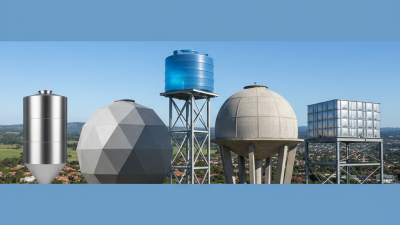
When selecting the best reservoir tanks, it’s crucial to understand the various types available. There are primarily three categories: above-ground tanks, underground tanks, and portable tanks. Above-ground tanks are easily accessible and ideal for quick maintenance. However, they can be more prone to damage from environmental factors.
Underground tanks offer protection from temperature variations. They provide better aesthetic integration within landscapes. Keep in mind, installation can be more complex and costly. Portable tanks are excellent for temporary needs. They are lightweight and easy to transport, but may not be suitable for long-term storage.
Tip: Before choosing a tank, assess your specific needs. Consider factors like capacity, location, and purpose. This will help narrow down your options.
Moreover, industry data suggests that over 70% of water storage issues arise from improper tank selection. Understanding material quality is essential. Tanks made from polyethylene or fiberglass often provide better durability compared to steel variants. However, steel tanks can handle higher pressure. Weighing these options is vital for long-term success.
Tip: Always consult with a water management expert. They can provide insights based on regional conditions and usage requirements. Consider your unique situation before making a choice.
Factors to Consider When Selecting Reservoir Tanks
Choosing the right reservoir tank involves careful consideration of several factors. One crucial aspect is capacity. Think about the volume of water you need to store. Smaller tanks can work for personal use, while larger tanks serve industrial needs. Assessing your water demand accurately is essential for efficiency.
Material choice is another important factor. Tanks made from plastic, fiberglass, or steel each have their benefits. Plastic is lightweight and resistant to corrosion, while steel offers durability. However, consider potential rust issues with steel. Reflecting on your environment helps determine the best material for longevity and performance.
Installation and maintenance cannot be overlooked. Proper placement and routine checks for leaks are vital. Tanks installed in challenging locations may face unanticipated problems. Consider accessibility for maintenance when making your choice. Thoughtful planning can save you time and money in the long run. The right tank will meet your needs, but each option requires a thorough evaluation.
Calculating the Required Capacity for Your Application
Calculating the required capacity for your reservoir tank is crucial. Start by assessing your water usage. Consider daily consumption, peak demand, and any seasonal variations. For residential applications, estimate the number of occupants and their average water needs. For industrial uses, analyze operational processes and water discharge rates.
Next, think about future needs. Will your water demand increase? Factor in potential growth when sizing your tank. A common mistake is underestimating water usage during peak times. Too small a tank can lead to supply shortages, harming operations or comfort. You should aim for a balance—enough capacity without wasting resources on unnecessary storage.
It is beneficial to consider the tank's location and maintenance access. Some spots may limit your choices due to space constraints. Size and design play a role, impacting the tank's efficiency. Take time to research materials that suit your environment. Carefully calculated capacity and thoughtful planning can provide reliable water storage tailored to your specific needs.
How to Choose the Best Reservoir Tanks for Your Needs? - Calculating the Required Capacity for Your Application
| Application |
Required Capacity (Liters) |
Material Type |
Recommended Size (mm) |
Estimated Cost ($) |
| Irrigation |
5000 |
Polyethylene |
1000 x 1500 |
250 |
| Industrial |
20000 |
Fiberglass |
2000 x 3000 |
1500 |
| Drinking Water |
3000 |
Stainless Steel |
800 x 1200 |
600 |
| Fire Suppression |
10000 |
Carbon Steel |
1500 x 2500 |
800 |
| Aquaculture |
1500 |
HDPE |
700 x 1000 |
300 |
Material Choices for Reservoir Tanks: Pros and Cons
When selecting reservoir tanks, the material is crucial. Common options include steel, plastic, and fiberglass. Each has unique advantages and drawbacks.
Steel tanks are durable and withstand pressure well. However, they may rust over time, especially in harsh environments. Proper maintenance is essential to prevent corrosion.
Plastic tanks are lightweight and resist corrosion. They are often more affordable than metal options. Yet, they can be vulnerable to UV damage and may not hold up under heavy pressure.
Choosing high-quality plastic can help mitigate these concerns.
Fiberglass tanks combine the benefits of both steel and plastic. They are strong, lightweight, and resist corrosion. However, they can be more expensive upfront.
When selecting a tank material, consider factors such as lifespan, maintenance needs, and environmental conditions.
Tips: Evaluate the tank's intended use carefully. Assess the local climate and storage requirements before making a decision.
Always consider long-term costs versus initial investment for a clearer financial picture.
Installation and Maintenance Tips for Reservoir Tanks
When installing reservoir tanks, careful consideration is crucial. Proper installation ensures longevity and functionality. According to industry studies, improperly installed tanks can reduce efficiency by up to 30%. Make sure the foundation is strong and level. Use high-grade materials to prevent corrosion and leaks.
Maintenance is equally important. Regular inspections are vital to identify potential issues. Experts recommend checking for signs of wear every six months. Cleaning the tank periodically can prevent sediment buildup, which can lead to blockages. In fact, tanks need to be cleaned at least once a year to maintain water quality. Pay attention to the inlet and outlet valves. These areas often require more frequent checks.
Documentation plays a key role in effective maintenance. Keeping a record of all inspections and repairs helps in tracking the tank's condition. Additionally, it allows for better budgeting for future repairs. While some may overlook these details, neglect can lead to costly repairs later. Consider finding expert guidance when needed.