2026 How to Choose the Right Water Tank for Your Needs?
Choosing the right water tank can significantly impact your water management. John Smith, a renowned expert in the water storage industry, once said, "A good tank meets your specific needs and ensures reliability." Understanding your requirements is paramount.
Many factors influence your choice of a water tank. Consider the size, material, and purpose. A tank too small can lead to shortages. A tank made of inferior material can leak or corrode quickly.
Take time to research. Evaluate local climate conditions and water usage patterns. Different environments demand different tank features. Remember, selecting the right water tank is not just about the now; it affects your future water security. Reflect on these factors carefully to ensure you make an informed decision.
Understanding Different Types of Water Tanks Available in the Market
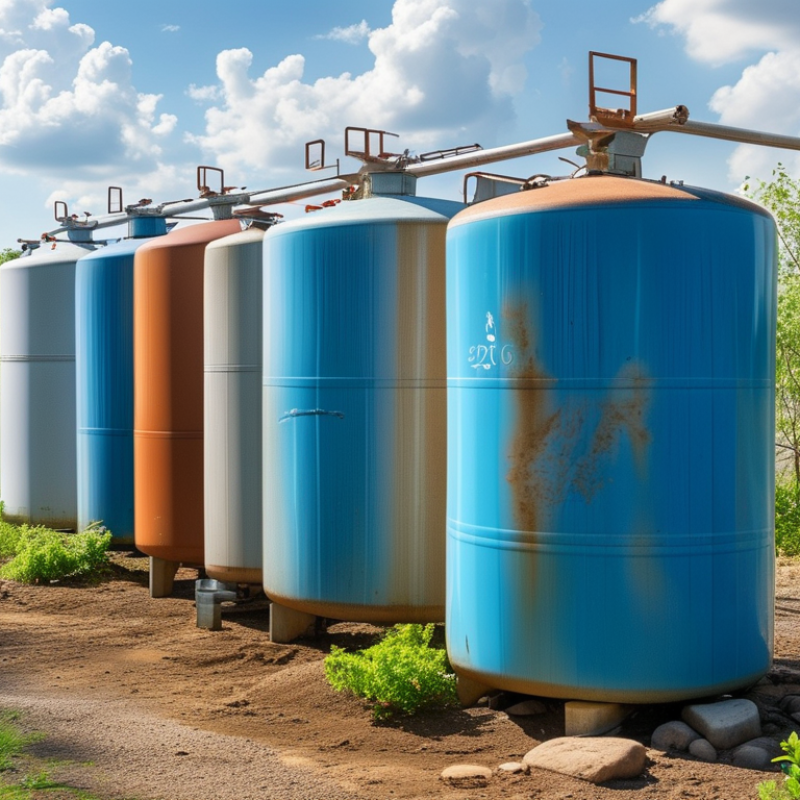
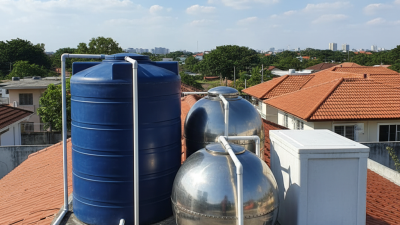
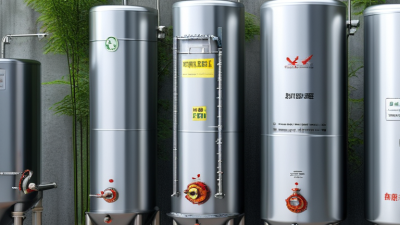
When choosing a water tank, it's essential to understand the various types available in the market. Each type serves different needs based on storage capacity, material, and intended use. For instance, polyethylene tanks are popular due to their durability and resistance to corrosion. According to industry data, over 40% of consumers prefer plastic tanks for residential use, especially for potable water.
On the other hand, steel tanks offer advantages like strength and longevity. They are ideal for larger storage needs, with some models holding up to 50,000 gallons. However, they can be prone to rust if not properly maintained. A recent report from Water Management Technologies noted that nearly 30% of large-scale water project failures stem from issues related to tank material degradation.
Fiberglass tanks provide a middle ground. They are lightweight yet sturdy, making them suitable for both residential and commercial applications. However, their cost may deter some buyers, as they can be up to 50% more expensive than plastic options. It's crucial to assess your specific needs, as some users may find that a cheaper model doesn't meet their long-term requirements. Ultimately, the right water tank should fulfill storage needs effectively while considering potential maintenance challenges.
Assessing Your Water Storage Needs Based on Household or Business Size
When choosing the right water tank, it’s essential to assess your water storage needs based on the size of your household or business. According to the Water Research Foundation, average households consume about 300 gallons of water daily. Larger families, or those with higher water usage, may require even more storage. You should consider these factors carefully.
For businesses, the consumption varies significantly. Restaurants may need up to 1,500 gallons daily, while offices may require less. Understanding your specific usage is crucial. Inadequate storage can lead to disruptions. The National Rural Water Association suggests maintaining a reserve capacity to handle peak demand.
Additionally, evaluating your location is important. Some regions face water shortages. This can affect tank size. An oversized tank may incur extra costs, while a small one could lead to insufficient supply. It's crucial to reflect on both current and future needs. Assess seasonal variations, too. Rainwater harvesting can supplement storage and reduce dependency on municipal systems.
Evaluating Key Features: Material, Size, and Capacity Considerations
Choosing the right water tank involves careful consideration of several key features. The material of the tank is critical. Tanks can be made from plastic, fiberglass, or metal. Each material has its advantages and disadvantages. Plastic tanks are lightweight and resistant to rust. However, they can be less durable over time. Metal tanks, while robust, can corrode if not properly maintained. Evaluating the material based on your environment is essential.
Size is another important factor. Consider the space where the tank will be placed. Measure the area accurately to prevent fitting issues. A tank that is too large may not only occupy space but also require more frequent maintenance. Conversely, a tank too small may not meet your water needs. Capacity is equally crucial. Assess your daily water usage. A household of four may require a different capacity compared to a small farm.
It’s easy to overlook these details in the excitement of purchasing a new water tank. Often, buyers focus solely on cost instead of long-term benefits. Taking the time to reflect on your specific requirements will help ensure you make a better choice. Ultimately, the right decision can save you time and money in the future.
Water Tank Material Comparison
Comparing Installation Requirements and Maintenance for Various Tanks
Choosing the right water tank involves understanding installation requirements and ongoing maintenance. Different tanks come with unique challenges, influencing both usability and longevity. For instance, above-ground tanks are often easier to install, requiring minimal site preparation. However, they might be less stable in harsh weather. In contrast, underground tanks need proper excavation. This can increase installation costs but offers protection from environmental factors.
Maintenance varies significantly across tank types. Some tanks require frequent inspections for leaks or corrosion. Plastic tanks are lighter and resist rust, but they can be prone to UV damage. Metal tanks, while sturdy, often demand regular anti-corrosion treatments. Neglecting maintenance can lead to costly repairs or replacements. It’s crucial to think ahead when evaluating tank options. What works for one situation may not be ideal for another.
Consider local regulations regarding installation. Some areas have strict codes that affect tank placement and size. Understanding these rules is vital for compliance and safety. Professional help might ease the installation process, yet it can be tempting to DIY. Weigh the pros and cons carefully. Reflect on your specific needs and how each option addresses them. This approach ensures a more tailored and satisfying choice.
2026 How to Choose the Right Water Tank for Your Needs?
| Tank Type |
Material |
Capacity (Gallons) |
Installation Requirements |
Maintenance Frequency |
| Polyethylene |
Plastic |
500 |
Simple, minimal site preparation |
Annually |
| Fiberglass |
Fiberglass |
1000 |
Moderate, requires firm base |
Every 2 years |
| Steel |
Metal |
1500 |
Complex, needs professional installation |
Every 5 years |
| Concrete |
Concrete |
10000 |
Extensive, requires significant site preparation |
Every 10 years |
| Bladder Tanks |
Rubber/Plastic |
250 |
Very simple, just needs to be placed |
Every 3 years |
Budgeting for Your Water Tank Purchase: Cost vs. Long-term Value
When budgeting for a water tank, it’s vital to balance upfront costs with long-term value. The initial price tag often draws attention, but consider lifetime expenses. A cheaper tank may lead to higher maintenance and replacement costs later on. Evaluate durability and material quality. Invest in a tank that can withstand local weather conditions.
Tips: Assess your water needs first. A larger capacity may save money in the long run. Consider installation costs too; they can significantly impact your budget. Check for warranties. A good warranty indicates the manufacturer’s confidence in their product.
Look beyond the price. Analyze how often the tank needs servicing. Some tanks may require annual checks, while others can go years without maintenance. Remember, a high-quality tank can reduce your water bills over time. You may feel hesitant to spend more initially, but the savings often outweigh early costs.