How to Choose the Best Household Water Tanks for Your Needs?
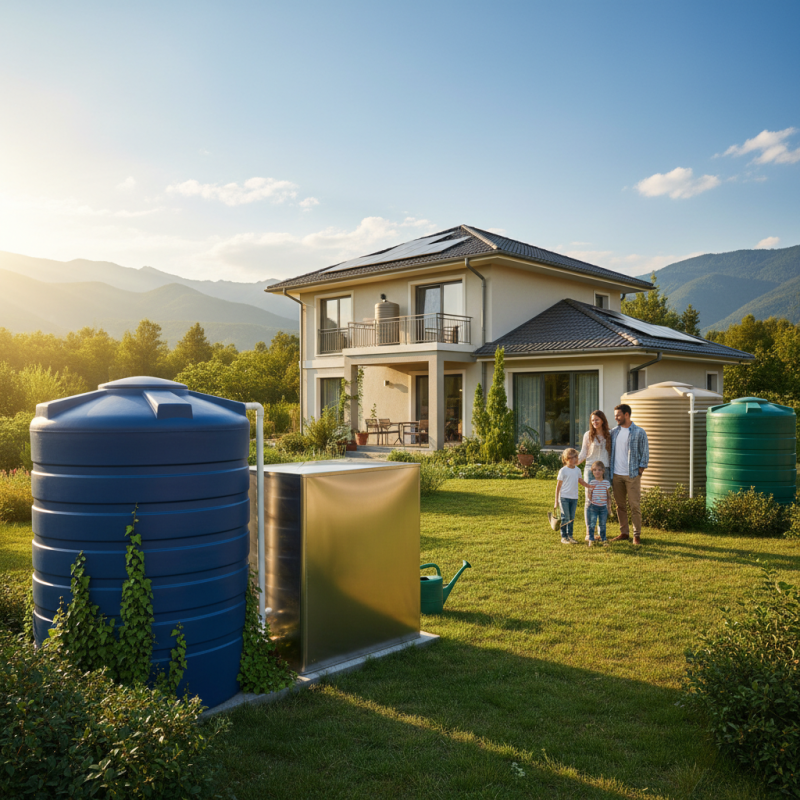
Choosing the right Household Water Tanks can significantly impact your daily life. These tanks are essential for storing water, especially in areas with inconsistent supply. Having a reliable water source ensures your household needs are met.
Different households have unique requirements. Factors such as family size, water usage, and local climate should guide your choice. Some might prioritize affordability, while others may look for durability or capacity. Researching materials and sizes can lead to better decisions.
However, not all tanks are created equal. It is crucial to consider the long-term maintenance and reliability of the tanks you choose. You may find that what works for one household might not suit yours. Investing time in understanding various options will pay off, ensuring you select the best Household Water Tanks for your specific needs.
Factors to Consider When Selecting Household Water Tanks
Choosing the right household water tank requires careful consideration. One crucial factor is size. A tank that is too small may leave you short on water. Conversely, an oversized tank may take up unnecessary space. Identify your household's water needs based on daily usage and family size.
Another important factor is material. Water tanks come in various materials, including plastic, fiberglass, and metal. Each material has its pros and cons. For instance, plastic tanks are lightweight and resistant to corrosion. However, they may not be as durable as metal tanks. Understanding these differences is vital for making an informed choice.
Lastly, consider the tank's placement. Will it be above or below ground? Above-ground tanks are easier to install but may be more susceptible to temperature changes. On the other hand, buried tanks require more installation work but are protected from weather variability. Evaluate the landscape of your property carefully. Each choice has implications that you should reflect on before moving forward.
Types of Household Water Tanks: Pros and Cons
When considering the right household water tank, it's essential to weigh the types available. Each type has its unique benefits and drawbacks. Above-ground tanks are popular for their ease of installation. They are generally more affordable and do not require extensive excavation. However, they may be more prone to damage from weather or physical impacts.
In contrast, underground tanks offer better protection. They are hidden and resistant to weather conditions. These tanks, however, are more expensive. Installation costs can be significantly higher due to digging and soil conditions. Additionally, accessing these tanks for maintenance can be challenging. It's crucial to think about your specific needs and environment when making a choice.
Plastic tanks are lightweight and rust-resistant, making them a common choice. But they may degrade under UV exposure if not shielded. Metal tanks, on the other hand, are durable but can rust if not properly treated. Both choices require careful consideration of lifespan and location. Reflecting on these aspects ensures you make a decision that aligns with your practical needs.
Sizing Your Water Tank: Calculating Storage Needs
Sizing a water tank is crucial for ensuring you have enough water for your household needs. To calculate the storage size, consider your daily water consumption. According to the U.S. Geological Survey, an average person uses about 80 to 100 gallons per day. Multiply this number by the number of people in your household. For example, a family of four would need approximately 320 to 400 gallons daily.
Additionally, think about your peak water usage. This includes times when multiple appliances run, like washing machines, showers, and dishwashers. Reports by the Environmental Protection Agency suggest that household water demands can surge during peak times. You may need a tank that exceeds daily averages by 20% to ensure sufficient supply.
Taking these factors into account, you can better determine the necessary size for your water tank. Reflect on your seasonal requirements, too. Hot summers may require more water than cooler winters. Assessing your household’s unique needs can help you choose wisely. Remember, the right size minimizes wastage and ensures reliability.
Water Tank Size Comparison Based on Household Needs
Material Options for Water Tanks: Durability and Safety
When selecting a household water tank, the material plays a crucial role. Each option offers different levels of durability and safety. Common materials include plastic, fiberglass, and steel. Plastic tanks are lightweight and resistant to corrosion. However, they may not withstand extreme temperatures well. Fiberglass, on the other hand, is known for its strength and is highly durable. But it can be more expensive than other options.
Steel tanks have long been a trusted choice. They are robust and can handle heavy-duty use. Yet, without proper maintenance, steel can rust over time. Consider your location when choosing a material. Coastal areas may require more corrosion-resistant options due to salty air. Also, think about the tank's capacity and how it fits into your lifestyle. Regular inspections will help you identify potential problems, like leaks or signs of wear. This awareness can prolong the tank's lifespan and ensure water quality.
How to Choose the Best Household Water Tanks for Your Needs?
| Material |
Durability |
Safety |
Maintenance |
Cost |
| Polyethylene |
Moderate - 10-30 years |
Good - UV resistant |
Low - Little upkeep needed |
Low |
| Fiberglass |
High - 30-50 years |
Excellent - Non-toxic |
Moderate - Check for cracks |
Medium |
| Steel |
Very High - 50+ years |
Good - Needs lining |
High - Regular inspection |
High |
| Concrete |
Very High - 50+ years |
Excellent - Durable |
High - Repairs can be tough |
Medium to High |
Maintenance and Lifespan of Household Water Tanks
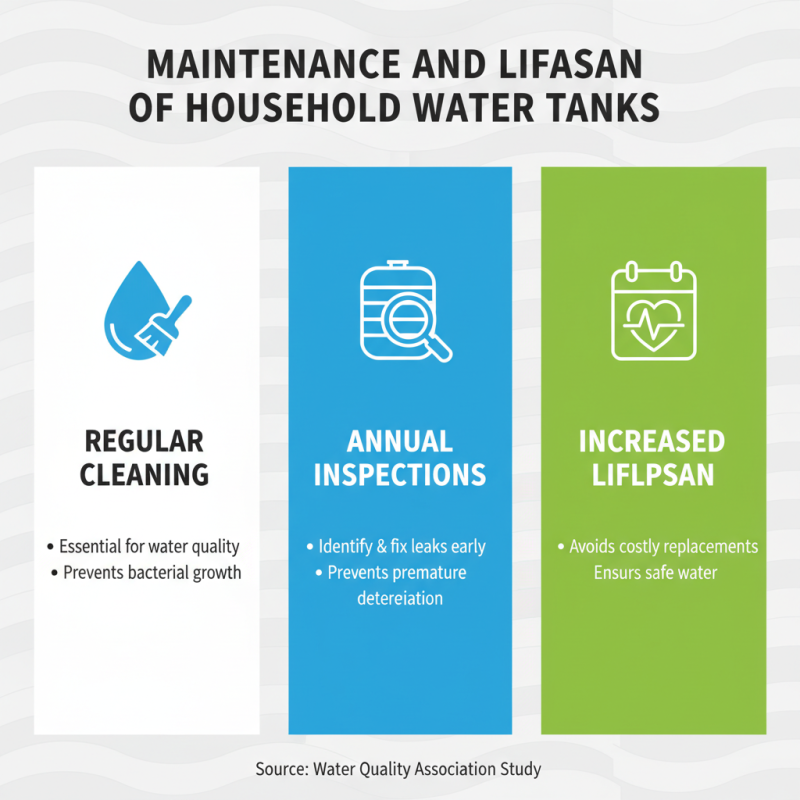
When considering household water tanks, maintenance is a crucial aspect that affects their lifespan. Many homeowners overlook this, leading to premature deterioration. Regular cleaning is essential. A study by the Water Quality Association indicates that untreated tanks can harbor bacteria, reducing water quality. Annual inspections are recommended to identify and fix leaks early.
The lifespan of a household water tank can vary significantly. For instance, steel tanks may last 20 to 30 years, while plastic tanks typically last around 15 years. Factors such as UV exposure and temperature can affect these figures. Choosing high-quality materials is vital. According to research by the National Association of Home Builders, proper maintenance can potentially double a tank's lifespan.
Homeowners should also monitor rust and scale build-up, which can compromise tank integrity. Routine checks can prevent costly replacements. Also, consider the location of the tank. A shaded, cool area will enhance longevity. Ignoring these details can lead to significant expenses and disruptions in water supply.