Top Reservoir Tanks in China for Global Buyers to Consider?
In the vast landscape of water management, reservoir tanks play a crucial role. China has emerged as a significant player in the reservoir tank manufacturing sector. Global buyers are increasingly drawn to the innovations and capabilities of these tanks. They offer reliability and efficiency in water storage systems.
One must consider various factors before selecting reservoir tanks. Quality assurance is paramount, as substandard tanks can lead to failures. Potential buyers should focus on manufacturers with expertise and a solid track record. It’s essential to evaluate the materials used in construction, as durability impacts long-term performance.
Additionally, some challenges exist. The market can be overwhelming, with numerous options available. Buyers should look for recommendations and case studies that reflect real-world performance. Engaging with experts can help navigate these complexities. Making an informed choice can mean the difference between success and disappointment.
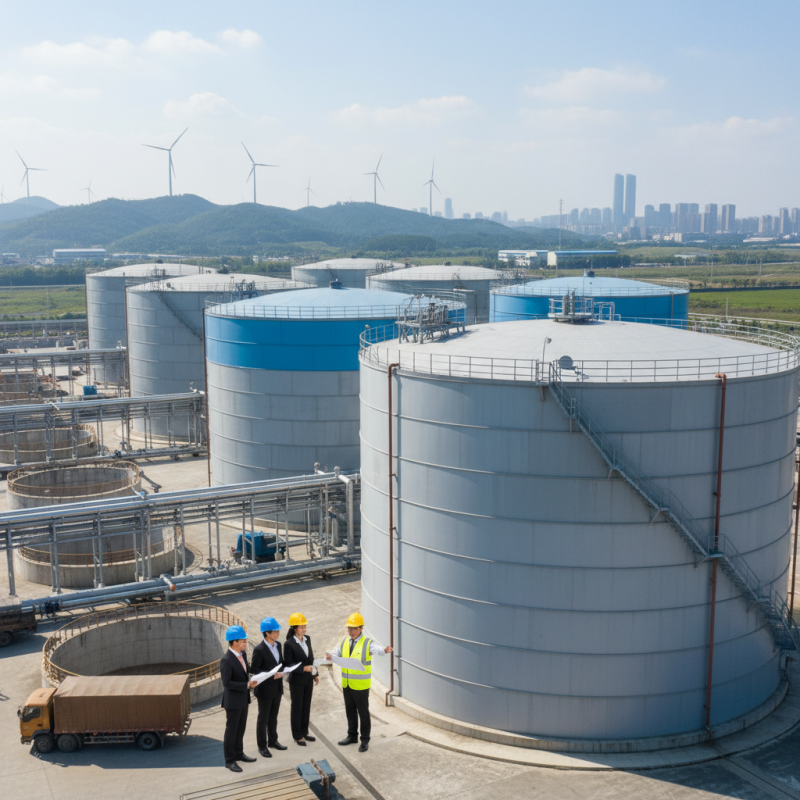
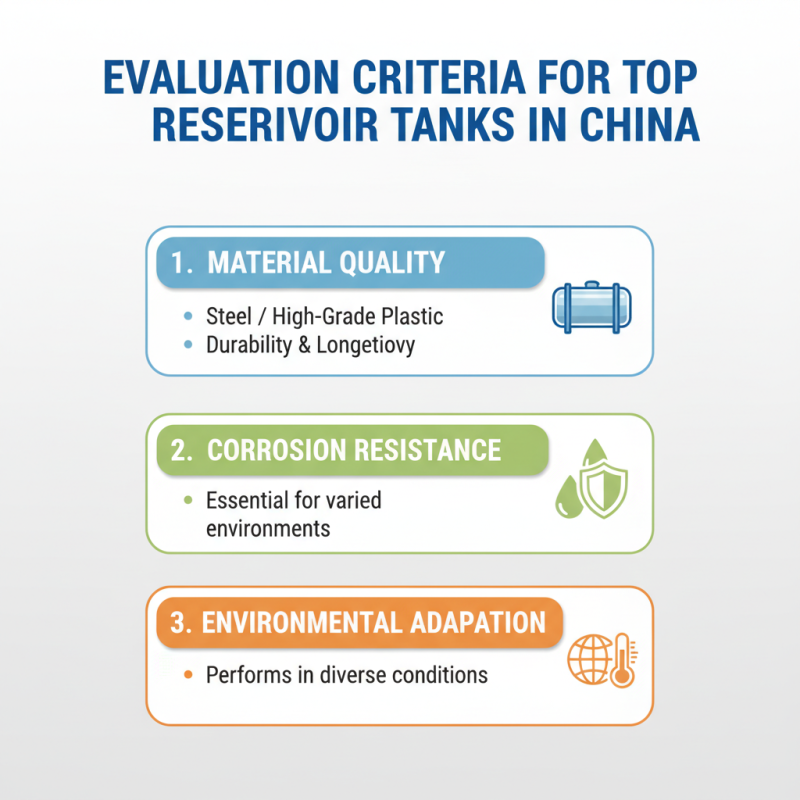
Evaluation Criteria for Top Reservoir Tanks in China
When evaluating reservoir tanks in China, several criteria come into play. Material quality is crucial. Tanks made from steel or high-grade plastic often ensure durability and longevity. Buyers should also consider the corrosion resistance of the materials. This aspect is particularly important in varying environmental conditions.
The design features of the tanks shouldn't be overlooked. A well-designed tank provides easy maintenance access. This can save time and costs long-term. Size and capacity matter too. Buyers need to choose tanks that fit their specific storage requirements. However, not every option is ideal for every situation. Recognizing this limitation is essential for making informed decisions.
Lastly, service and support offered by manufacturers can significantly influence purchasing choices. Reliable customer service can make a big difference during installation. However, some manufacturers may lack timely support, leading to challenges. This factor often gets neglected but is vital for a smooth operation later on. It's important to reflect on these aspects carefully before making a decision.
Leading Manufacturers of Reservoir Tanks in China
China's reservoir tank industry has seen remarkable growth, making it a hub for global buyers. With a market size estimated at nearly $3 billion in 2022, this sector is driven by increasing demand for water storage and environmental management. According to a report by Technavio, the market is expected to grow by over 5% annually by 2025, highlighting the need for reliable and efficient reservoirs.
Several manufacturers are emerging as leaders in this competitive landscape. They focus on innovative designs to optimize water conservation and enhance durability. Reports suggest that these manufacturers prioritize advanced materials, such as fiberglass and steel, to withstand harsh conditions. This focus on quality reflects an industry's commitment to sustainability, ensuring that tanks can operate efficiently over time.
However, challenges remain. Factors such as regulatory compliance and environmental concerns can complicate production. Manufacturers need to navigate these issues carefully. The balance between cost and quality is often a source of contention. Buyers should be aware of varying standards and certifications that dictate product reliability. The industry's landscape is evolving, requiring constant reflection and adaptation from manufacturers.
Top Reservoir Tanks in China - Comparative Analysis
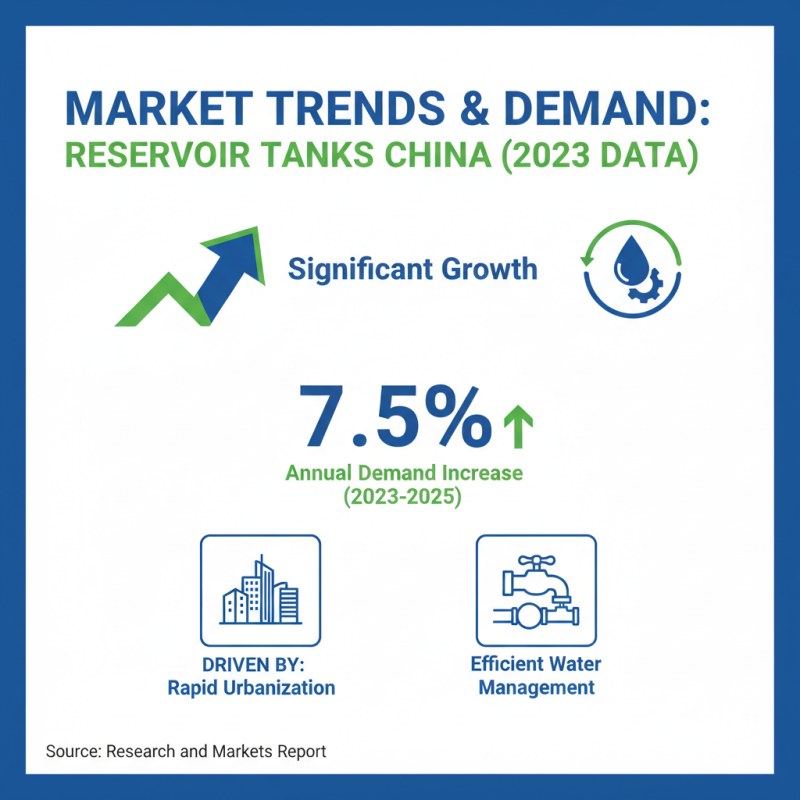
Market Trends and Demand for Reservoir Tanks in China (2023 Data)
In recent years, the market for reservoir tanks in China has shown significant growth. According to a report by Research and Markets, the demand for these tanks is projected to increase by 7.5% annually through 2025. This surge is driven by rapid urbanization and the need for efficient water management systems.
Regionally, the eastern provinces lead in tank installations, fueled by industrialization. The demand in the agricultural sector is also noteworthy. Reservoir tanks facilitate irrigation and support crop production. As a result, farmers are increasingly investing in these systems to enhance yield.
Tips for buyers: Assess local regulations before making a purchase. Compliance is crucial. Consider the tank materials and design suited for your specific needs. Look for products that can withstand varying environmental conditions.
The ongoing shift towards sustainable practices presents an opportunity. Buyers should explore options that incorporate eco-friendly materials. However, many buyers face challenges in finding reliable suppliers. Researching and vetting potential partners is essential for ensuring quality.
Technical Specifications and Materials Used in Reservoir Tanks
When considering reservoir tanks, technical specifications and materials are paramount. Reservoir tanks often come in various shapes and sizes. Stainless steel, fiberglass, and concrete are the most common materials used. Each material has distinct advantages and disadvantages.
Stainless steel tanks offer durability and corrosion resistance. They are lightweight and can handle extreme temperatures. However, their cost can be high, making them less accessible for some buyers. Fiberglass tanks are lighter and easier to install. They are resistant to chemicals but can be more susceptible to UV damage over time.
Concrete tanks are robust and provide excellent thermal insulation. They can handle significant pressure but are often more challenging to transport and install. It's essential to weigh these materials against your specific requirements.
Tips: Always verify the specifications before purchasing. Consider long-term maintenance costs. Remember, the right choice impacts efficiency and longevity.
Top Reservoir Tanks in China for Global Buyers to Consider
| Tank Type |
Capacity (m³) |
Material |
Design Standard |
Application |
| Steel Reservoir |
1000 |
Carbon Steel |
GB 50189-2015 |
Water Storage |
| Concrete Reservoir |
2500 |
Reinforced Concrete |
GB 50010-2010 |
Wastewater Treatment |
| Fiberglass Tank |
500 |
Fiberglass Reinforced Plastic |
ASTM D3299 |
Chemical Storage |
| Polyethylene Tank |
1500 |
High-Density Polyethylene |
ISO rotational molding |
Agricultural Use |
Investment Opportunities for Global Buyers in China's Reservoir Tank Market
Investment opportunities in China's reservoir tank market are compelling for global buyers. The market is projected to grow significantly, driven by increased infrastructure investment and expansion in industries like agriculture and municipal water management. Reports indicate that the market size reached approximately $2.8 billion in 2022 and is expected to expand at a CAGR of 8.5% through 2030. This growth is fueled by growing water scarcity concerns and urbanization, creating a strong demand for efficient storage solutions.
When assessing investment opportunities, buyers should consider the technological advancements in tank construction. Innovations, such as lightweight materials and advanced sealing technology, improve durability and reduce maintenance costs. Additionally, take note of shifts in environmental regulations, as China's focus on sustainable practices influences the design and materials used in reservoir tanks.
Tips: Conduct thorough market research. Understanding local regulations is vital. Engage with local experts to navigate the complexities of the Chinese market. Watch for case studies on successful tank installations. They can provide insights into best practices and potential pitfalls in the investment process.