Leave Your Message

What Is a Steel Water Tank?

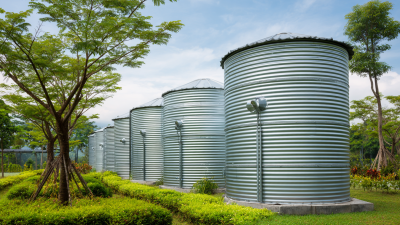
Steel Water Tanks are engineered containers designed to store water safely for homes, farms, industries, and public facilities. They are commonly made from carbon steel, stainless steel, or galvanized steel. Their structure may include welded plates, bolted panels, roof sections, access ladders, vents, and drainage outlets. Each detail supports safe storage and easier maintenance.

A properly designed steel tank can hold thousands of gallons while using limited ground space. Engineers consider water pressure, wind loads, seismic conditions, temperature changes, and foundation strength. Interior coatings help reduce corrosion and protect stored water. Exterior coatings shield the steel from rain, sunlight, and changing weather. For drinking water, approved materials and hygienic construction are essential. The tank must also allow inspection, cleaning, and controlled water flow.

Not every tank performs equally. Poor coating work, weak foundations, or neglected inspections can shorten its service life. A tank may look sound outside while corrosion develops beneath its lining. That is easy to miss. Experienced contractors therefore check welds, joints, anchor points, coating thickness, and inlet connections. They also review local water-quality requirements before selecting materials. Steel water storage is practical, strong, and adaptable, but it is not maintenance-free. Careful design records and regular inspections make the difference between a dependable tank and an expensive problem. That reality deserves more attention.
What Is a Steel Water Tank?

Definition and Basic Structure of a Steel Water Tank

What Is a Steel Water Tank?

Definition and Basic Structure of a Steel Water Tank

A steel water tank is a purpose-built container for storing and protecting water. It commonly serves homes, farms, factories, and emergency systems. Steel provides high structural strength, allowing the tank to hold large volumes safely. However, strength alone does not prevent corrosion or contamination. The tank’s design must match the water type, climate, and expected service life.

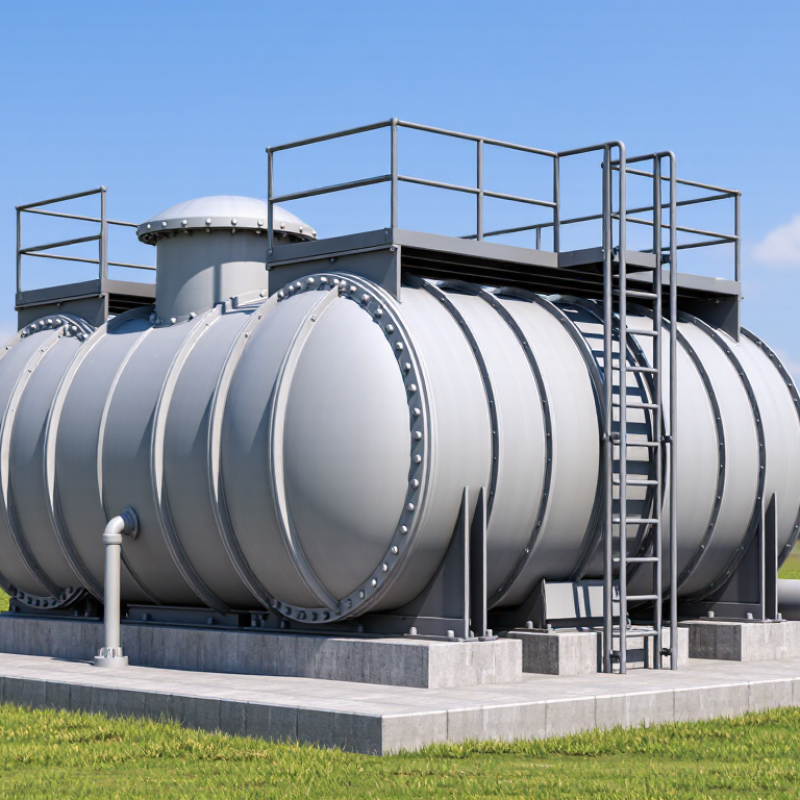
Most tanks begin with a cylindrical or rectangular steel shell. The shell includes welded or bolted plates that resist internal water pressure. A reinforced bottom supports the stored water and transfers its weight to the foundation. The roof limits dust, sunlight, and debris entering the tank. Some designs use a flat roof, while others use a sloped or domed roof.

The details matter.

Typical fittings include an inlet pipe, outlet pipe, overflow line, drain, ladder, and inspection manway. Internal coatings create a barrier between steel and water. External coatings protect the surface from rain, moisture, and temperature changes. Technicians should inspect welds, joints, coatings, and foundation contact points during maintenance. A small coating defect can become a serious corrosion area.

Access design is often overlooked. A tank may be structurally sound, yet difficult to inspect or clean. Ventilation must also balance pressure control with protection against insects and dust. In practice, no basic structure is perfect. Designers sometimes prioritize capacity and underestimate maintenance space. That choice deserves careful review before installation.
Types of Steel Water Tanks and Their Main Features

What Is a Steel Water Tank?

Types of Steel Water Tanks and Their Main Features

A steel water tank stores water in a strong, engineered container. Its design supports homes, farms, factories, and emergency systems. In practice, tank selection depends on water quality, capacity, location, and maintenance access. A large tank may hold thousands of liters, while a compact model can fit beside a building.

Welded steel tanks are fabricated as one continuous structure. They offer high strength and good resistance to movement. Bolted steel tanks use factory-made panels, which crews assemble on site. This design can simplify transport and future expansion. Corrugated steel tanks often include a protective liner and roof system. Their textured walls improve rigidity without excessive material. Stainless steel tanks resist corrosion and suit demanding hygiene conditions. They usually cost more. That matters.

Coatings protect carbon steel from rust and chemical attack. For drinking water, the internal lining should meet applicable safety requirements. Regular inspections should check seams, bolts, ladders, vents, and foundation drainage. I have seen tanks with sound walls but poor drainage underneath. Small defects can become expensive failures. Water temperature, sunlight, and nearby chemicals also affect service life. No tank is maintenance-free. A practical design leaves room for cleaning, safe access, and occasional repairs. Local engineers should verify wind, seismic, and foundation conditions before installation, because a standard tank may not fit every site.

Materials, Coatings, and Corrosion Protection

What Is a Steel Water Tank?

A steel water tank is a welded or bolted vessel designed to store water safely. Carbon steel offers high strength, practical fabrication, and good value for large capacities. Stainless steel resists corrosion more naturally, but its higher cost may not suit every project. Material selection should reflect water chemistry, temperature, soil conditions, and maintenance access.

Coatings provide the main protective barrier for carbon steel. Common systems include epoxy, polyurethane, and cement-based linings. Each coating must match the water type and service conditions. Potable-water tanks require materials approved for contact with drinking water. Surface preparation matters greatly. Oil, rust, dust, and weld spatter can weaken adhesion. A clean, properly profiled surface gives the coating a better chance to perform.

Small defects matter.

During inspections, technicians may find pinholes around welds, damaged edges, or thin areas near the tank floor. Holiday testing can locate invisible coating breaks before water enters the tank. Sacrificial anodes or impressed-current systems may provide additional corrosion control, especially in buried or continuously wet environments. However, cathodic protection needs correct design and monitoring. No coating lasts forever. Even careful specifications can overlook changing water chemistry or poor drainage. Regular inspections, thickness checks, and timely repairs protect the steel and reduce unexpected shutdowns.

Typical Protective Coating Thickness for Steel Water Tanks

Protective systems for steel water tanks commonly combine a zinc-rich primer, a high-build epoxy barrier coat, and a polyurethane or equivalent finish coat. The values shown are representative nominal dry-film thicknesses in micrometres (µm); actual specifications vary with water chemistry, immersion conditions, surface preparation, and the selected corrosion-protection standard.

How Steel Water Tanks Store and Distribute Water

What Is a Steel Water Tank?

A steel water tank stores large volumes of water for homes, farms, factories, and public facilities. Its main purpose is simple: hold water safely until people need it. A protected steel shell resists pressure, weather, and daily temperature changes. Inside, water enters through an inlet pipe and settles in the tank. When demand rises, an outlet pipe sends water toward buildings or treatment systems. Pumps may create pressure, while gravity can support distribution from elevated tanks. Valves control flow, and overflow pipes protect the structure during filling. Level sensors help operators track changing water levels.

Tips: Inspect the tank, roof, seams, valves, and foundation regularly. Check protective coatings for peeling or rust. Keep vents clear, because blocked airflow can affect pressure. Clean the interior according to local water-safety requirements. Pressure must stay steady. Small details matter.

Reliable storage depends on more than thick steel. Engineers must match the tank size with daily use, peak demand, climate, and site conditions. A tank that is too small may empty during busy periods. An oversized tank can leave water standing too long. Field inspections often reveal overlooked problems, such as a loose flange or damaged coating near the base. These issues may seem minor, but they can reduce service life. Steel water tanks are strong, yet they are not maintenance-free. Their performance improves when storage, inspection, and distribution work together.

What Is a Steel Water Tank? - How Steel Water Tanks Store and Distribute Water

Data Dimension Typical Information How It Supports Water Storage and Distribution
Primary Function Stores treated, raw, fire-protection, or process water Creates a reserve that can be released when demand exceeds the instantaneous supply from pumps, wells, or a treatment system.
Common Steel Types Carbon steel, galvanized steel, or stainless steel The selected steel and protective system influence structural strength, corrosion resistance, service conditions, and maintenance needs.
Typical Tank Configurations Welded, bolted, or sectional steel tanks Welded tanks are assembled on site or in a fabrication facility, while bolted and sectional designs can simplify transportation and installation.
Storage Capacity Engineered from several thousand to millions of liters Capacity is selected according to water demand, supply reliability, emergency reserves, fire-flow requirements, and available site space.
Tank Shape Cylindrical, rectangular, or elevated tank designs Shape and orientation are chosen to balance structural efficiency, usable volume, land availability, access, and hydraulic requirements.
Protective Coating Internal and external coatings, galvanizing, or corrosion-resistant steel Protective layers separate steel from water, oxygen, moisture, and chemicals. Coatings intended for potable water must be suitable for contact with drinking water.
Water Inlet Pipe connection with an isolation valve and flow-control equipment Allows water from a treatment plant, well, or supply main to enter the tank while supporting controlled filling and maintenance isolation.
Water Outlet Outlet pipe connected to a distribution main or pump system Discharges stored water to users, process equipment, hydrants, or downstream treatment and distribution systems.
Overflow and Drainage Overflow pipe, drain connection, and controlled discharge route Protects the tank from overfilling and enables emptying for inspection, cleaning, repairs, or coating work.
Pressure and Flow Control Gravity head, booster pumps, control valves, and level controls Water may flow by gravity from an elevated tank or be pressurized by pumps from a ground-level tank.
Internal Components Inlet diffuser, anti-vortex plate, access ladder, roof supports, and inspection access These components help manage flow, reduce turbulence, support safe inspection, and protect connected pumps and pipework.
Level Monitoring Float indicators, ultrasonic sensors, pressure transmitters, or electronic level controls Provides operators with tank-level information and can start or stop pumps, open valves, or trigger high- and low-level alarms.
Ventilation Vented roof or screened air-inlet and outlet arrangement Allows air exchange during filling and emptying while screens and protective details help limit the entry of insects, debris, and contaminants.
Foundation Reinforced concrete slab, ringwall, pedestal, or structural support system Transfers the tank load to the ground and must account for water weight, wind, seismic forces, settlement, and local soil conditions.
Water Quality Protection Covered tank, sealed openings, screened vents, drainage control, and scheduled cleaning Reduces the risk of contamination, sediment accumulation, algae growth, and unwanted entry into the stored water.
Routine Maintenance Visual inspections, coating checks, leak testing, valve servicing, and interior cleaning Regular inspection helps identify corrosion, coating damage, structural changes, leaks, blocked vents, and equipment faults before they affect supply.
Main Advantages High structural strength, scalable capacity, long service potential, and flexible installation options Steel tanks can be engineered for many capacities and operating conditions, making them suitable for municipal, industrial, commercial, agricultural, and fire-protection applications.

Common Uses, Benefits, and Maintenance Requirements

What Is a Steel Water Tank?

A steel water tank is a fabricated vessel designed to store potable, process, firefighting, or irrigation water. Its welded steel shell provides structural strength, while coatings or protective linings limit corrosion. Common designs include elevated tanks, ground-level reservoirs, and bolted sectional tanks.

Their uses are practical and varied. Municipal systems use them to balance daily demand and maintain emergency reserves. Farms store irrigation water during dry periods. Factories rely on tanks for process water and fire protection. The United Nations World Water Development Report identifies agriculture as responsible for roughly 70% of global freshwater withdrawals, making reliable storage increasingly important. A correctly sized tank can reduce pumping stress and support supply continuity.

Benefits include long service life, large capacity, and easier inspection than many buried systems. However, steel requires disciplined maintenance. Operators should inspect roofs, vents, ladders, seams, foundations, and interior coatings at planned intervals. Water quality testing should follow local requirements and a documented water safety plan. The World Health Organization promotes risk-based water safety planning from source to consumer.

Corrosion is the quiet problem. Moisture, damaged coatings, poor drainage, and sediment can accelerate it. Cleaning schedules should reflect water conditions, not guesswork. Engineers commonly reference recognized steel tank standards when reviewing design, inspection, and repair work. No maintenance plan is perfect. A tank may look sound while hiding coating failure beneath sediment. Records, photographs, thickness measurements, and prompt repairs provide stronger protection than appearance alone.