Best Overhead Tanks for Optimal Water Storage Solutions?
When considering the best overhead tanks for optimal water storage, several factors come into play. Overhead tanks are vital in urban areas, providing essential water supply and ensuring reliable access. According to a recent industry report, over 30% of households in urban settings rely on these tanks for daily water needs. The proper tank design can significantly impact water quality and availability.
Material choice is crucial for overhead tanks. High-density polyethylene (HDPE) and fiberglass are popular for their durability and resistance to corrosion. The lifespan of a well-maintained tank can exceed 20 years. However, improper installation or maintenance can lead to leaks and contamination. A study found that nearly 15% of installed tanks faced issues due to neglect.
The rising demand for water storage solutions urges consumers to make informed decisions. Selecting the right overhead tank can enhance water efficiency and conservation. Surveys indicate that 25% of households underestimate the importance of purchasing quality storage. Reflection on these factors can lead to better choices in water management, ultimately fostering sustainability in communities.
Types of Overhead Tanks: A Comprehensive Overview
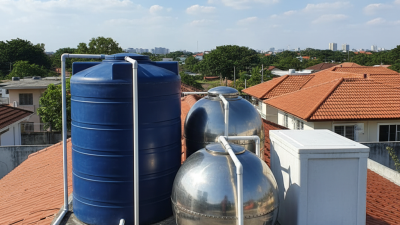
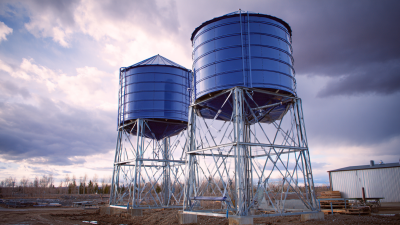
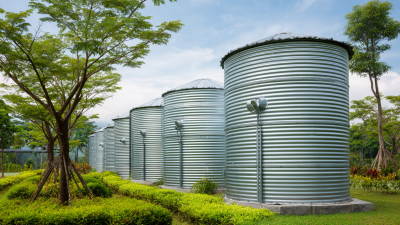
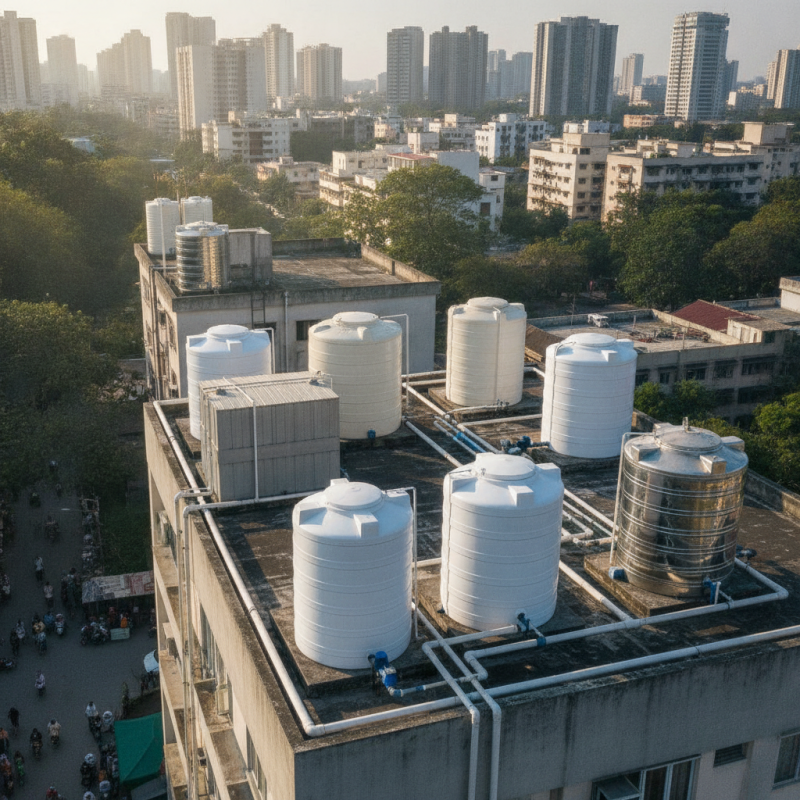
When considering overhead tanks for optimal water storage, it's essential to explore various types. Two common types include plastic tanks and metal tanks. Plastic tanks are lightweight and resistant to corrosion. They come in various sizes and shapes. Metal tanks, often made of steel, are durable but may require regular maintenance to prevent rust.
Each type has its advantages and challenges. For instance, plastic tanks can be prone to UV degradation if exposed to sunlight. Metal tanks, while long-lasting, can be heavy and cumbersome to install. Ensure that the tank materials align with your climate and usage.
**Tip:** Regularly inspect your overhead tank for any leaks or damages. Small cracks can worsen if left unattended.
Another essential factor is tank size. Assess your water needs based on household consumption. Choosing the wrong size may lead to insufficient storage or wasted space. Overhead tanks should ideally be placed at a height to allow gravity to aid in water distribution.
**Tip:** Consider using a pump to fill your tank efficiently. This helps in maintaining optimal water levels and prevents overflow.
Key Features to Consider for Optimal Water Storage Solutions
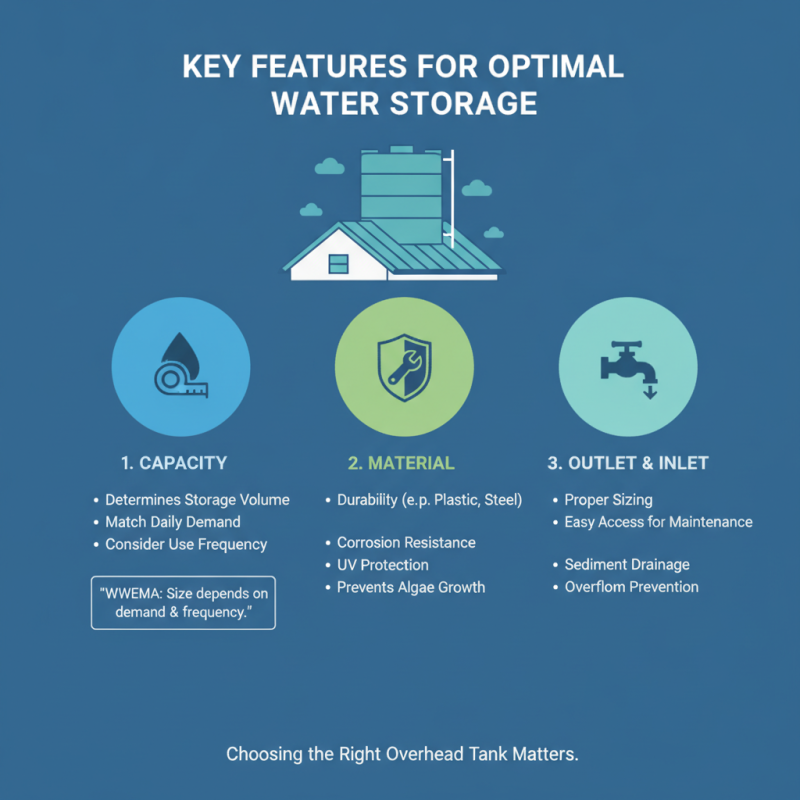
Choosing the right overhead tank is crucial for effective water storage. Several key features impact the efficiency and longevity of these systems. Capacity is essential; it determines how much water you can store. According to the Water and Wastewater Equipment Manufacturers Association, optimal tank size depends on daily water demand and frequency of use.
Material is another critical aspect. Tanks made from high-density polyethylene, for example, offer excellent resistance to corrosion. The American Society of Civil Engineers recommends analyzing environmental factors when selecting materials. This ensures the tank can withstand varying weather conditions.
Ventilation is often overlooked. Proper air exchange helps prevent the growth of algae. A study by the National Water Quality Monitoring Council found that unventilated tanks can lead to poor water quality. Consider features like built-in screens or vents to enhance air circulation. Overall, the right tank is a combination of size, material, and ventilation. Each choice can significantly affect water quality and storage efficiency.
Material Comparisons: Plastic, Concrete, and Metal Tanks
When it comes to selecting the ideal overhead tank for water storage, understanding the material is crucial. The choice often boils down to three primary options: plastic, concrete, and metal. Each material offers distinct advantages and drawbacks that impact their suitability in different environments.
Plastic tanks are lightweight and resistant to corrosion, making them easy to install. According to a report by the Water Quality Association, these tanks are less likely to leach harmful substances into the water if they meet the appropriate standards. However, their lifespan is typically shorter than other materials. Research indicates they can last 10-15 years under optimal conditions, but UV exposure can weaken them faster.
Concrete tanks are known for their durability. They are often used for large storage needs and can last over 30 years. However, concrete is porous. This means proper sealing is essential to prevent leakage and contamination. Unfortunately, maintenance often gets overlooked, leading to potential issues. Metal tanks, while strong and robust, can corrode over time without proper coating. Their lifespan varies significantly based on environmental conditions. In humid climates, they may require more frequent inspection.
Each material presents trade-offs. The selection process should consider local conditions, budget, and long-term maintenance requirements. Understanding these factors is vital for effective water storage solutions.
Best Overhead Tanks for Optimal Water Storage Solutions
| Material |
Durability |
Cost |
Maintenance |
Weight |
Installation Complexity |
| Plastic |
Moderate |
Low |
Low |
Lightweight |
Easy |
| Concrete |
High |
Moderate |
High |
Heavy |
Complex |
| Metal |
High |
High |
Moderate |
Moderate |
Moderate |
Installation and Maintenance Tips for Overhead Water Tanks
When considering overhead water tanks, the installation process is crucial for ensuring longevity and efficiency. Start by selecting an appropriate location. It should be flat, sturdy, and easily accessible. This may require leveling the ground which takes time and effort. Ensure there are no surrounding obstacles that might hinder maintenance access. Fastening the tank securely is vital. Consider using strong brackets to prevent movement.
Regular maintenance is essential for optimal water quality. Inspect the tank for leaks or cracks periodically. Debris can collect at the base, so cleaning it monthly is a good practice. Avoid using harsh chemicals that may contaminate the water supply. Keep an eye on water levels; this can help prevent overflows and manage usage better. Some people forget to check their tanks regularly. This oversight can lead to issues. A maintenance schedule can ensure tanks remain functional longer.
Documentation is beneficial. Recording your maintenance efforts provides insights into the tank’s condition over time. If issues arise, this information can help technicians solve problems more efficiently. While many focus on installation, ongoing care is what sustains the health of your water storage. Balancing both aspects is key. Embrace the learning curve that comes with managing overhead tanks.
Best Overhead Tanks for Optimal Water Storage Solutions
Cost Analysis: Budgeting for Your Overhead Water Storage System
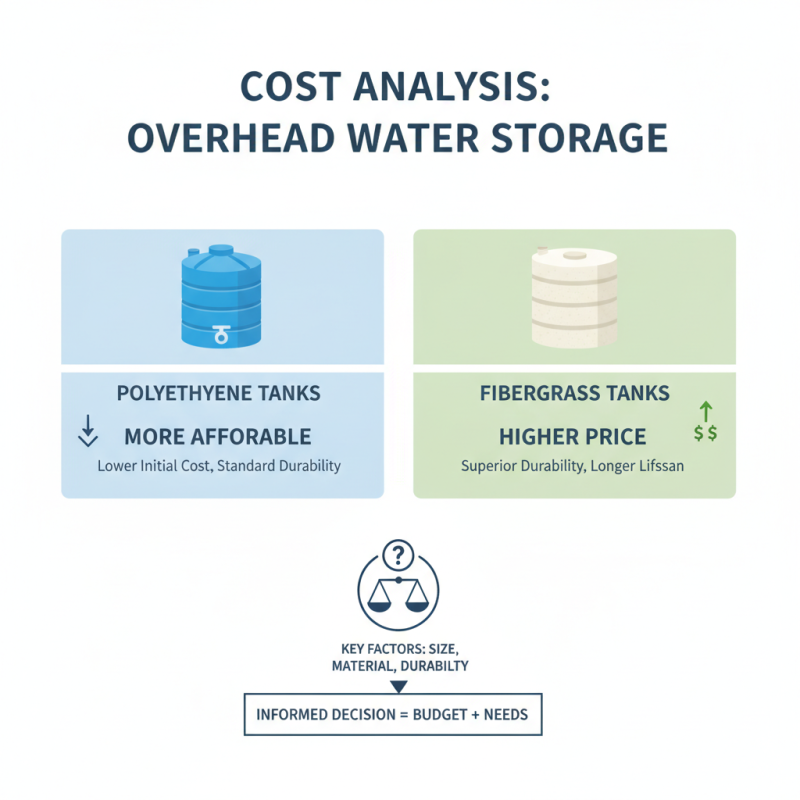
When considering overhead water storage, budgeting is crucial. The costs can vary based on size and material. Typically, polyethylene tanks are more affordable, while fiberglass options provide better durability but at a higher price. Weighing these factors helps in making an informed decision.
Installation costs also play a significant role. Proper setup is essential to avoid future leaks or damage. Hiring a professional can ensure quality, yet it adds to the budget. DIY installation reduces expenses, but it requires skills and tools. Water quality is another factor, influencing the choice of tank.
Consider additional expenses such as maintenance. Regular checks profitably extend the lifespan of the tank. However, neglecting this can lead to unforeseen costs. Balancing initial investment with long-term savings is vital. Exploring all these aspects will guide you in creating a sustainable water storage solution.