Top Irrigation Water Tanks for Efficient Farming Solutions?
In the ever-evolving world of agriculture, the use of "Irrigation Water Tanks" stands out as a crucial component for efficiency. According to Dr. Emily Thompson, a leading expert in agricultural water management, "Irrigation Water Tanks are the lifeblood of modern farming." Her insight highlights their importance in optimizing water usage and ensuring crop health.
Farmers today face numerous challenges, from unpredictable weather patterns to soil depletion. The design and capacity of irrigation tanks can significantly impact water availability. Choosing the right tank can enhance water retention, reduce evaporation, and cater to the needs of various crops. However, many farmers overlook maintenance issues that could affect tank efficiency.
Not all irrigation systems are created equal, and not every tank suits every farm. The decision-making process often reveals gaps in understanding the specific needs of one's land. This reflection can drive farmers to consider innovative solutions tailored to their unique circumstances, ultimately improving yield and sustainability. Addressing these aspects offers a path toward more mindful farming practices.
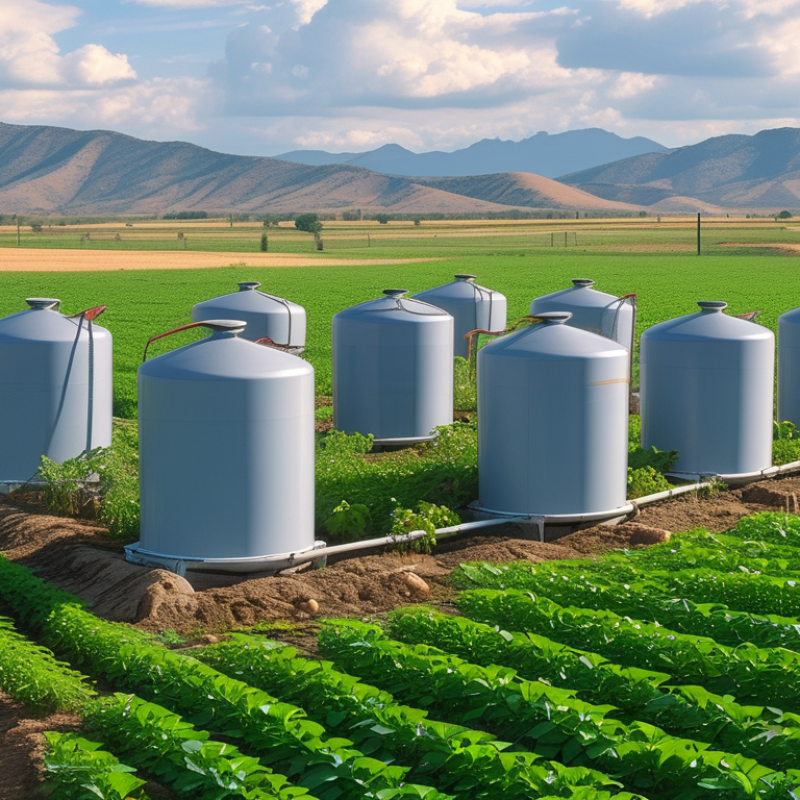
Overview of Irrigation Water Tanks and Their Importance in Farming
Irrigation water tanks play a crucial role in modern farming. They store water efficiently, ensuring crops receive adequate hydration. This storage prevents water scarcity during dry spells. Farmers can use these tanks to manage their resources better. The right tank can make a difference in crop yields.
Selecting an appropriate tank depends on various factors. The size of the farm, types of crops, and local climate influence this choice. Farmers must consider water quality as well. Poor quality water can harm crops and soil health. Regular maintenance is vital to ensure tanks function properly.
Yet, not every farmer fully realizes the importance of these tanks. Some may overlook their maintenance, leading to leaks or contamination. Understanding the consequences of neglect is essential. Investing in high-quality tanks and upkeep can yield long-term benefits. Proper irrigation practices contribute significantly to sustainable farming.
Types of Irrigation Water Tanks Suitable for Different Agricultural Needs
Irrigation water tanks are essential for efficient farming. They come in various types, serving different agricultural needs. Choosing the right tank can significantly impact your crop yield and water management practices.
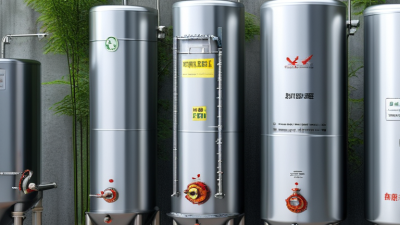
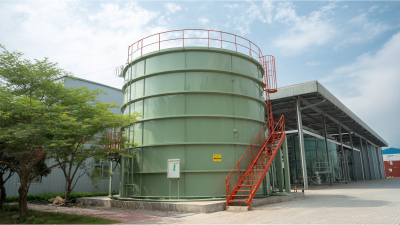
One popular type is the above-ground tank. These tanks are easy to install and maintain. They are great for small to medium-sized farms. However, they might not be the best for large-scale operations where more volume is necessary. Below-ground tanks, while more costly, offer thermal protection for water. They reduce evaporation, which is crucial in hot climates.
Tips for selecting the right tank include considering your water source and crop requirements. Assess your land's layout to determine the best location for the tank. A well-placed tank can improve water flow to your crops and reduce labor costs. Regular maintenance is vital, too. Check for leaks or corrosion to ensure long-term reliability. Remember, the best tank is not necessarily the biggest but the one that fits your specific needs.
Factors to Consider When Choosing an Irrigation Water Tank
When selecting an irrigation water tank, consider several key factors. The tank's capacity should match your farming needs. A larger tank can store more water, but it may require more space and resources to install. Assess your land size and crop type to determine the right volume.
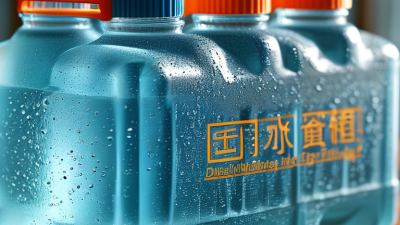
Material choice is crucial. Tanks can be made from various materials like polyethylene or fiberglass. Each material has distinct benefits and drawbacks. Polyethylene tanks are lightweight but may degrade under UV exposure. Fiberglass tanks resist corrosion but can be costly. Think about your climate and budget when making this decision.
Also, consider maintenance requirements. Some tanks need regular cleaning to avoid algae growth. Others may require periodic inspections for leaks. Efficient irrigation depends on tank performance. A neglected tank can lead to water quality issues, impacting crop health. Balancing these factors is essential for effective farming solutions.
Benefits of Using Efficient Irrigation Water Tanks in Modern Farming
Efficient irrigation water tanks play a crucial role in modern farming. Utilizing these tanks ensures water conservation, which is vital in drought-prone regions. According to a report by the Irrigation Association, optimizing water usage can save up to 30% in overall farm water expenditure. Such efficiency not only benefits farmers' budgets but also supports sustainable agricultural practices.
These tanks enable farmers to store rainwater and optimize groundwater use. This practice reduces dependency on external water sources. Additionally, tanks equipped with advanced sensors can monitor water levels. This technology allows for timely irrigation, preventing overwatering or underwatering crops. Studies have shown that precise irrigation can increase crop yields by 20% or more.
However, implementing these systems isn't without challenges. Initial costs and maintenance may deter some farmers. Additionally, knowledge gaps in technology usage can hinder effective management. Nevertheless, as agricultural climates change, improving irrigation efficiency is not just beneficial, but it’s essential. Embracing these technologies will help address food security issues globally.
Maintenance Tips for Prolonging the Life of Irrigation Water Tanks
Maintaining your irrigation water tank is crucial for efficient farming. Regular inspection is key. Look for cracks, leaks, and signs of wear. Any damage can lead to costly repairs and inefficient water supply. Clean your tank every season. This prevents algae growth and sediment accumulation. Algae can block filters and harm crops.
Consider the tank material. Different materials have various lifespans. For instance, metal tanks may rust over time. Plastic tanks can become brittle with UV exposure. Using protective coatings can extend their life. UV-resistant covers are also useful. They shield tanks from harsh sunlight.
Monitor water quality regularly. Test for contaminants that may affect crop health. A reliable testing kit is a good investment. Always address issues promptly. Delaying repairs can lead to bigger problems. Ensure all fittings and connections are secure. This prevents leaks and maintains efficiency.