2026 Best Rectangular Water Tank Options for Global Buyers?
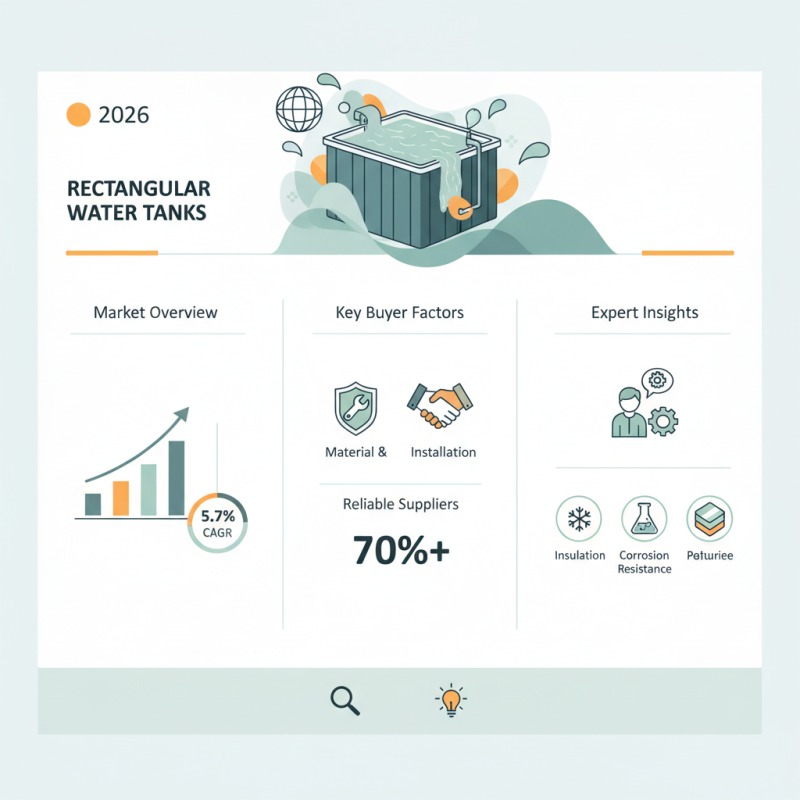
In 2026, global buyers face an expanding market for Rectangular Water Tanks, essential for various applications. According to a recent report by Market Research Future, the industry is projected to grow at a compound annual growth rate of 5.7%. Industry expert Dr. Lisa Van Horne, a leading authority on water storage solutions, notes, "The right tank choice can significantly impact water management efficiency."
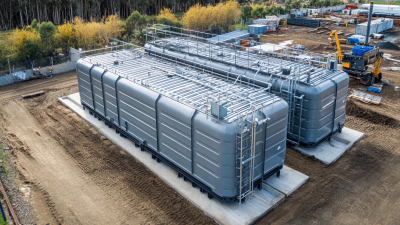
Rectangular Water Tanks are favored for their space-efficient design. They provide maximum storage while minimizing the footprint in urban settings. Major factors influencing buyers include material durability and ease of installation. Recent surveys show that over 70% of purchasers prioritize reliable suppliers with proven track records. However, the market lacks standardization, making it challenging for buyers to choose wisely.
Potential buyers are advised to reflect on their specific needs. Features like insulation, corrosion resistance, and advanced materials are vital. The market is versatile but can overwhelm new buyers. There’s room for improvement in tank design and compliance. It’s crucial to engage with experts and conduct thorough research before making a decision.
Top Features to Consider When Choosing a Rectangular Water Tank
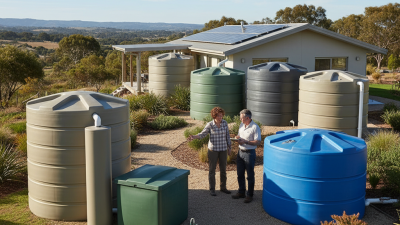
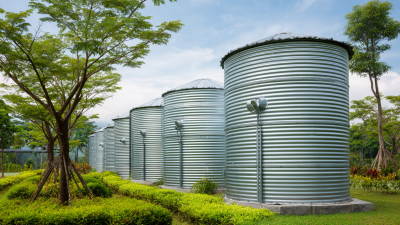
Choosing a rectangular water tank requires careful consideration of various features. Material choice plays a key role in determining tank durability and performance. Common materials include polyethylene, fiberglass, and metal. Each offers unique benefits and drawbacks. For example, polyethylene tanks resist corrosion but are less durable under extreme temperatures. In contrast, metal tanks provide strength but can eventually corrode.
Capacity is another crucial factor. Water tanks range from small residential sizes to large commercial units. According to industry reports, the global water tank market has seen a significant rise, with an average growth rate of 5.3% per year. This growth underscores the need for efficient and reliable water storage solutions. Evaluate the tank’s dimensions carefully to ensure it fits your space while meeting your water needs.
Additionally, consider installation and maintenance demands. Some tanks require professional installation, while others can be easily set up by the owner. Maintenance is also essential for prolonging a tank's lifespan. Regular inspections can help identify leaks or structural concerns early on. Ultimately, understanding these features empowers buyers to make informed choices, aligning with their unique requirements and budget constraints.
Comparative Analysis of Materials Used in Rectangular Water Tanks
When selecting rectangular water tanks, material choice is crucial. The three primary materials used are polyethylene, fiberglass, and stainless steel. Each comes with unique advantages and downsides that buyers must contemplate based on their specific needs.
Polyethylene tanks are lightweight and resistant to corrosion. They are also less costly, making them attractive for residential use. Reports indicate that up to 70% of polyethylene tanks are used for small-scale applications. However, these tanks can degrade under UV exposure, potentially leading to leaks over time.
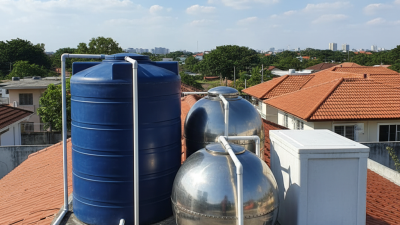
Fiberglass tanks offer strength and longevity. They are less susceptible to environmental factors compared to polyethylene. Data shows that fiberglass tanks can last up to 30 years with proper maintenance. Yet, they are heavier and more expensive, which may deter some buyers. Lastly, stainless steel tanks provide remarkable durability and hygiene. However, their high initial cost can be a barrier for many.
Buyers may need to balance short-term costs against long-term durability. Choosing the right material involves weighing immediate budget constraints against future repairs and replacements. This consideration is vital for ensuring a sustainable water storage solution.
2026 Best Rectangular Water Tank Options for Global Buyers
Global Market Trends for Rectangular Water Tanks in 2026
In 2026, the global market for rectangular water tanks will reflect significant trends driven by sustainability and innovation. Many regions are prioritizing eco-friendly materials. This shift is crucial for manufacturers and consumers alike. High-density polyethylene (HDPE) is gaining traction due to its durability and resistance to corrosion.
The demand for compact designs is rising. Urban areas face space limitations. Therefore, tanks with optimized dimensions are preferred. They fit easily into smaller properties while still providing ample storage. This design shift supports both residential and commercial settings.
Tips: Consider the installation process when choosing a tank. Ensure that it fits your available space without any hassle. Research local regulations about water tanks. Compliance is key for safe and effective water collection. Balancing quality and affordability requires reflection. Always seek information before making a purchase decision.
Sustainability and Environmental Impact of Water Tank Production
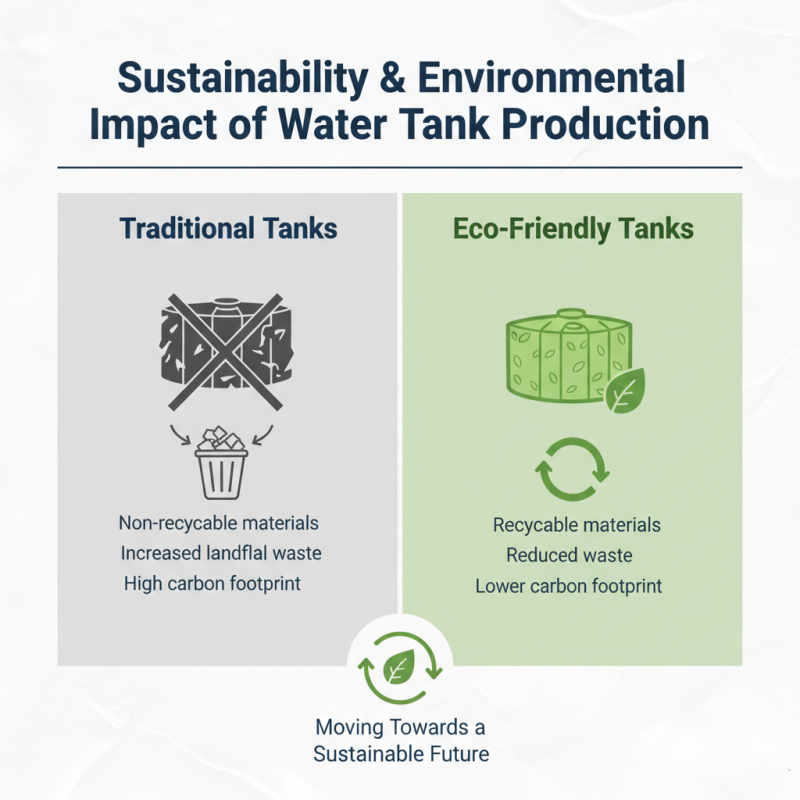
When considering the production of rectangular water tanks, sustainability is a key factor. The materials used can greatly impact the environment. Many traditional tanks are made from materials that are not recyclable. This often leads to increased waste in landfills. In contrast, newer production methods focus on using eco-friendly materials. These options are more sustainable and often have a lower carbon footprint.
Water tank production also involves energy consumption. Factories that rely on renewable energy sources can significantly reduce their environmental impact. For instance, solar power is increasingly being integrated into manufacturing processes. This shift not only conserves energy but also supports a cleaner production cycle. However, the transition to such methods can be costly and complex. Companies must reflect on their commitment to sustainability and evaluate their operational practices.
Finally, consumers play a crucial role in this equation. Choosing the right tank means considering both design and environmental impact. Buyers often overlook the long-term benefits of eco-friendly options, focusing solely on price. It’s essential to recognize that investing in sustainable products can lead to better outcomes for both the planet and the consumer. This awareness can drive change in production practices and encourage manufacturers to prioritize sustainability.
Leading Brands for Rectangular Water Tanks: A Buyer’s Guide
When considering rectangular water tanks, buyers need to focus on key features.
Material durability is crucial. Tanks made from high-quality polyethylene or fiberglass tend to last longer. They resist UV rays and harsh weather conditions.
Think about the tank’s capacity. You need a size that meets your water storage needs without overwhelming your space.
Reviews play a significant role in decision-making. Look for feedback from previous customers.
Positive experiences often indicate reliability and performance. However, be cautious of overly enthusiastic endorsements.
It's wise to consider both high and low ratings.
Quality control can fluctuate across production batches.
Installation is another vital factor. Some tanks may require professional help, while others allow for straightforward assembly.
Research installation options to avoid future headaches.
Also, consider maintenance requirements.
Regular checks can prevent leaks and ensure longevity. It’s a critical area that brands might overlook.
Choose a tank that fits your lifestyle and offers peace of mind.