What is Rain Storage Tanks and How Do They Work?
Rain Storage Tanks play a crucial role in sustainable water management. These systems capture and store rainwater for various uses, such as irrigation and household needs. Expert John Smith, a leading figure in the rainwater harvesting field, emphasizes, "Rain Storage Tanks are essential for conservation and self-sufficiency."
The importance of Rain Storage Tanks becomes clear as water scarcity increases globally. They provide an effective solution for reducing dependence on municipal water supplies. However, the proper design and maintenance of these tanks remain challenging for some homeowners.
Many people still overlook the potential benefits of utilizing Rain Storage Tanks. They can save money on water bills and contribute to environmental sustainability. The initial investment can seem daunting, but the long-term savings and positive impact on local water resources are undeniable. Understanding how these systems work can empower individuals to make informed choices.
What are Rain Storage Tanks: Definition and Overview
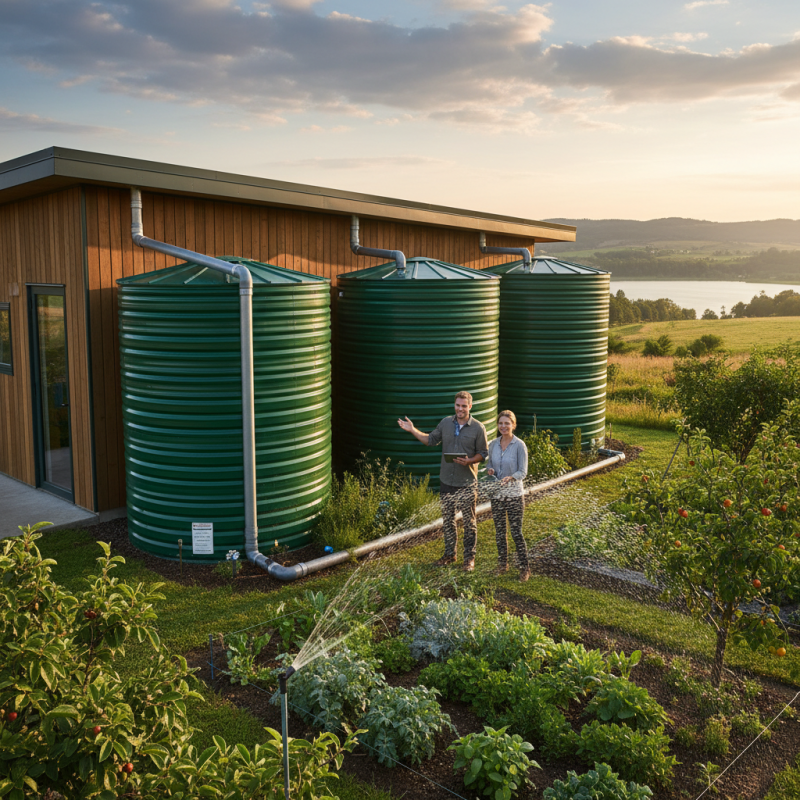
Rain storage tanks are essential tools for sustainable water management. They collect and store rainwater from rooftops, which can then be used for irrigation, flushing toilets, and even drinking water. Each year, the average urban household can collect more than 50,000 gallons of rainwater, reducing dependency on municipal water supplies.
Industry reports indicate that rain storage systems can reduce water bills by up to 40%. However, many people remain unaware of their benefits. These tanks can vary in size and material, from simple barrels to large cisterns. The choice depends on local rainfall patterns and intended usage. Maintenance is crucial; regular cleaning can prevent algae growth and ensure safe water storage.
Despite their advantages, some challenges exist. Community acceptance varies, and installation may require permits. Additionally, if not properly maintained, rainwater systems can become breeding grounds for mosquitoes. Educating homeowners on these aspects is vital for maximizing the effectiveness and reliability of rain storage tanks. Understanding their function can empower communities to utilize this resource effectively.
Types of Rain Storage Tanks: Aboveground vs. Underground Models
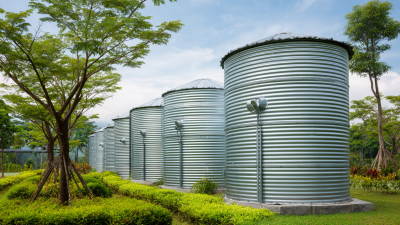
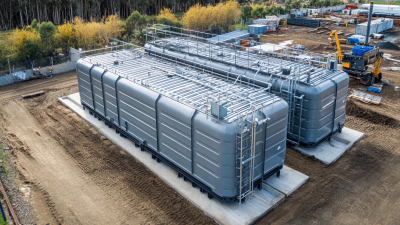
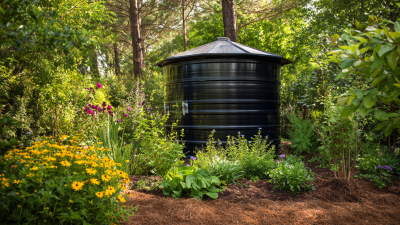
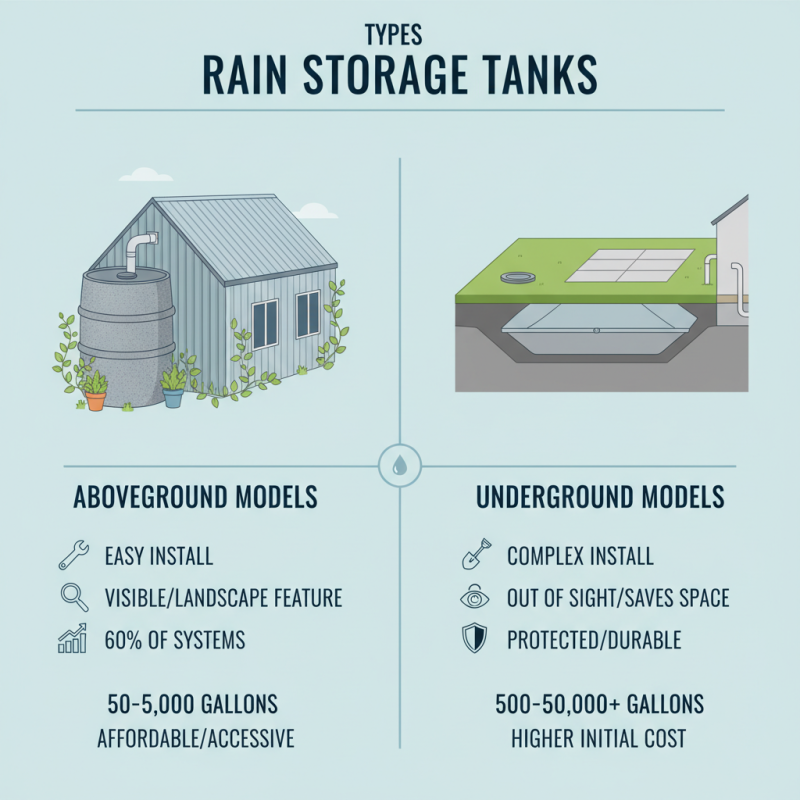
Rain storage tanks come in various designs, primarily divided into aboveground and underground models. Aboveground tanks are easy to install and maintain. They are visible and can serve as a landscape feature. According to industry research, about 60% of rainwater harvesting systems utilize aboveground models. These tanks vary from 50 to 5,000 gallons in capacity. Homeowners often choose these for their affordability and accessibility.
On the other hand, underground tanks are more discreet. They save space and do not interfere with aesthetics. However, installation costs can be higher due to excavation requirements. Reports indicate that underground systems typically hold between 1,000 and 20,000 gallons. The choice between aboveground and underground often depends on local regulations and available space. The ideal system allows for effective rainwater collection and storage, addressing concerns about water scarcity.
Both tank types have benefits and drawbacks. Aboveground tanks can be prone to algae growth without proper maintenance. Underground systems may suffer from root intrusion if not correctly installed. Assessing specific needs and conditions is crucial in decision-making. Balancing cost, capacity, and maintenance factors can be challenging for many homeowners.
How Rain Storage Tanks Work: The Collection and Filtration Process
Rain storage tanks play a critical role in water conservation and management. They collect rainwater from roofs and other surfaces. This process starts with gutters directing the flow into the tanks. In many regions, the potential for rainwater harvesting is significant. For instance, a home with a 1,000 square foot roof can capture approximately 600 gallons of water from a single inch of rain.
Once collected, the water goes through filtration. Common methods include sediment filters, which trap debris, and carbon filters, which improve taste and odor. Studies show that effective filtration can remove up to 99% of contaminants. However, not all systems are perfect. Filter maintenance is crucial to prevent clogging and bacterial growth.
In some cases, homeowners may overlook the importance of routine checks. This can lead to decreased efficiency and water quality issues. Regular testing for pollutants ensures that the water remains safe for use. Rain storage tanks are a sustainable solution, but they require attention to detail. The effectiveness of a rainwater harvesting system ultimately depends on careful installation and consistent upkeep.
Rain Storage Tanks: Collection and Filtration Process
Benefits of Rainwater Harvesting: Environmental and Economic Impact
Rainwater harvesting systems offer significant environmental and economic benefits. By capturing rainwater, these systems reduce water runoff and help replenish groundwater. According to a report from the U.S. Environmental Protection Agency, stormwater management costs can be decreased by up to 50% through effective rainwater harvesting. This is crucial as urban areas face increasing flooding risks and water supply challenges.
Furthermore, using rainwater can substantially lower water bills. A study by the Rainwater Harvesting Association indicates that households can save an average of 30-50% on their water utilities. This financial relief is especially beneficial for low-income families, who often struggle with high water costs. However, not all systems are perfectly efficient. Maintenance often gets overlooked. If not regularly inspected, tanks can become breeding grounds for mosquitoes or accumulate debris.
There's also the concern of water quality. Rainwater must be filtered and treated before use. Improper filtration methods can lead to contamination. Therefore, residents should be educated about best practices in rainwater collection. This knowledge can optimize the numerous advantages offered by rain storage tanks while addressing potential issues.
What is Rain Storage Tanks and How Do They Work? - Benefits of Rainwater Harvesting: Environmental and Economic Impact
| Dimension |
Data |
| Tank Material |
Polyethylene, Concrete, Steel |
| Average Tank Capacity |
500 - 5000 liters |
| Rainwater Harvesting Efficiency |
70% - 90% |
| Cost Savings |
Up to 50% on water bills |
| Environmental Benefits |
Reduces runoff, Conserves water |
| Common Uses |
Irrigation, Toilets, Washing |
| Installation Cost |
$1000 - $5000 depending on capacity |
| Maintenance Frequency |
Annually |
Maintenance and Regulations: Ensuring Efficiency and Compliance
Rain storage tanks play a crucial role in water conservation. However, maintenance and regulations are vital to ensure their efficient operation. Regular inspection is necessary. Industry reports indicate that poorly maintained systems can lose up to 50% of their storage capacity. This loss can lead to increased costs and reduced efficiency.
Compliance with local regulations also matters. Many regions have specific guidelines on tank installation and maintenance. For example, some jurisdictions require filtration systems to prevent contamination. Neglecting these rules can result in fines or mandated upgrades. Proper documentation is essential to meet these regulatory standards.
In addition to compliance, proactive maintenance helps prolong the lifespan of rain storage tanks. Routine checks for leaks, structural integrity, and sediment buildup can catch issues early. Studies show that tanks with regular maintenance can last up to 20 years longer than those that aren't regularly cared for. Reflecting on these factors can help stakeholders make informed decisions about water storage systems.