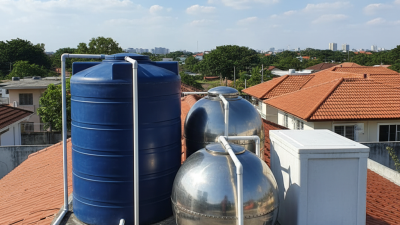
Choosing Square Water Tanks in 2026 requires more than comparing prices and advertised capacity. A tank may look suitable online, yet fail when access is narrow, rainfall is seasonal, or the foundation settles unevenly. This guide examines practical details, including material strength, usable volume, installation space, cleaning access, fittings, and long-term maintenance. Real conditions matter.
Water-storage engineer Dr. Mark Williams says, “The best tank is not the largest one; it is the tank that fits the site, demand, and maintenance plan.” That principle deserves attention. Square Water Tanks can use limited corners efficiently, especially beside walls, sheds, or agricultural buildings. However, their flat panels may require stronger reinforcement than rounded designs. The wrong base can create stress around seams and outlets.
Small choices become expensive later.
We will compare polyethylene, steel, and modular panel options for domestic, commercial, and agricultural use. The discussion will also consider UV exposure, temperature changes, overflow control, pump compatibility, and safe access for inspection. Local water quality should influence material selection, particularly when stored water supports household use. Certification claims should be checked carefully, not accepted from a product photograph.
Some recommendations remain imperfect. Site measurements may change, supplier specifications may conflict, and future water demand is difficult to predict. Still, a careful assessment can reduce avoidable replacement costs. The goal is not to promote one shape or manufacturer. It is to help readers choose a dependable tank that performs realistically in 2026 and remains manageable years afterward.
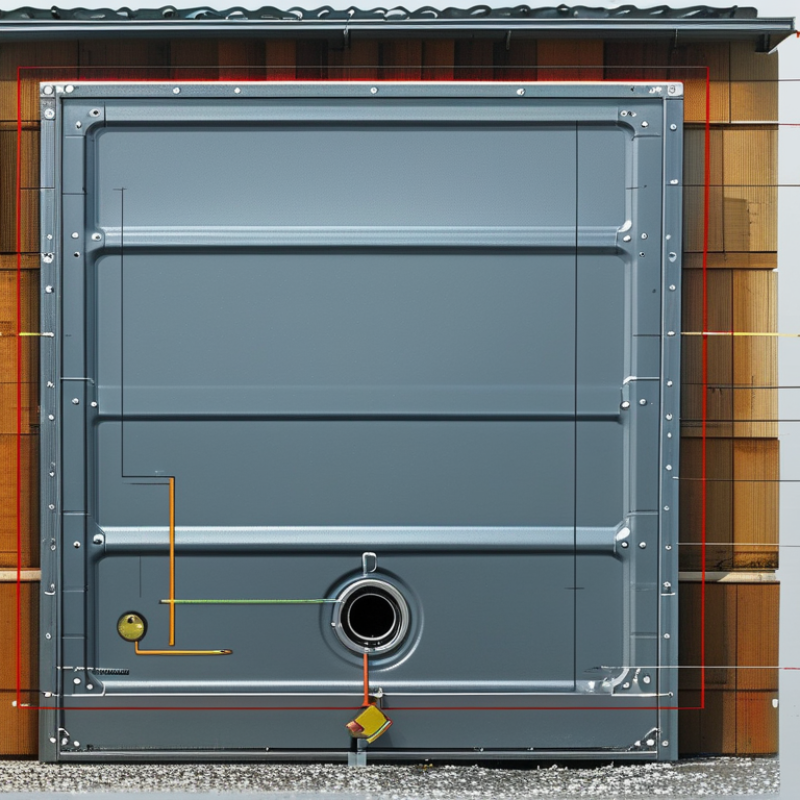
Choosing a square water tank in 2026 starts with your actual water needs, not a catalogue image. Estimate daily demand for drinking, cleaning, irrigation, or emergency use. Record the number of users and peak-use days. Dry weather can increase outdoor consumption sharply. Keep essential and optional needs separate. This creates a more realistic capacity target.
Measure the available space carefully. Record length, width, height, doorway clearance, and access for delivery. Check the ground condition before selecting a full tank. A level, stable base helps prevent uneven pressure on the walls. Leave room around fittings and inspection points. Measure twice. A tank that fits tightly may become difficult to clean or repair.
Square tanks can use corners efficiently, but space efficiency is not the only concern. Calculate usable capacity rather than relying on the stated volume. Sediment, freeboard, and reserve water reduce the amount available for daily use. In practical site assessments, planners often underestimate maintenance access. I have made similar assumptions during early planning. They looked efficient on paper, yet the service area was too narrow. Review local water safety and installation requirements before purchase. Recheck your figures after considering seasonal demand, future users, and possible delivery delays.
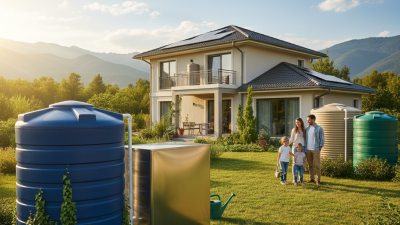
How to Choose Square Water Tanks in 2026
Capacity should match real demand, not a brochure’s maximum figure. FAO AQUASTAT reports that agriculture uses about 70% of global freshwater withdrawals. This makes reliable storage important for farms, buildings, and emergency systems. A 2.5 m × 2.5 m tank with a 1.6 m water depth holds about 10,000 litres before freeboard and unusable volume. I would keep a practical reserve. Demand forecasts can still be wrong.
Material choice affects service life, maintenance, and water safety. High-density polyethylene is lightweight and resists many chemicals, but sunlight and temperature require careful review. Glass-reinforced plastic offers good corrosion resistance and modular installation. Steel usually provides higher stiffness, though coatings and internal corrosion protection need inspection. Concrete performs well for large fixed tanks, but cracking and foundation movement remain concerns. Select materials tested for potable contact under applicable local requirements.
Structural performance deserves closer attention in square designs. Hydrostatic pressure rises with depth; at 1.6 m, pressure reaches roughly 15.7 kPa at the base. Corners and panel joints can experience concentrated stress. AWWA M42 guidance and ASCE 7-22 load provisions support checks for water pressure, wind, seismic forces, anchorage, and empty-tank uplift. On site, I would inspect the slab first. A strong tank on weak ground is still a failure risk. Flat panels may also deflect more than expected. Ask for tested deflection data, joint details, and a design calculation, not only a capacity label.
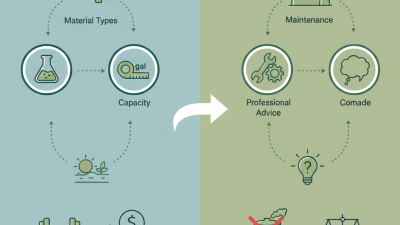
Comparison of typical capacity, service life, and structural resistance by tank material
A square tank saves space, but geometry should not outrank water safety. The WHO/UNICEF Joint Monitoring Programme 2023 update reported that 2.2 billion people lacked safely managed drinking water in 2022. That figure makes storage hygiene a practical concern, not a marketing phrase. Ask for test results covering odor, taste, chemical migration, and microbiological cleanliness. For potable use, confirm that every water-contact layer meets NSF/ANSI/CAN 61 or an applicable national equivalent. Certification must cover the actual material and intended use. A factory certificate alone may be too vague.
Inspect the inner surface under strong light. It should be smooth, sealed, and free from pinholes. Check the lid, vent screen, overflow route, drain, and cleaning access. A weak base can distort square walls when full. Water weighs about one kilogram per liter, so a 5,000-liter tank adds roughly five tonnes before fittings. Request structural calculations for temperature, wind, seismic conditions, and installation method. Standards differ across regions. That is easy to overlook.
Tips: Keep the tank shaded and away from fuel, pesticides, and waste areas. Require batch traceability and a recent independent test report. Measure the access opening before choosing a model. Sample stored water periodically. I would not trust a certificate without its scope, date, and issuing laboratory. This small doubt can prevent a costly mistake.
Square water tanks suit narrow yards, utility rooms, and building corners. However, the footprint can hide a serious structural issue. One cubic metre of water weighs about one metric tonne. Before delivery, inspect the slab, access route, drainage, overflow path, and local setback rules. A level concrete base usually prevents uneven loading. Leave working space around inspection covers. A tank that fits the corner may still block a door or cleaning access.
Maintenance should influence the purchase more than the initial price. Check whether the design allows hand access, sediment removal, screen replacement, and leak inspection. The U.S. EPA WaterSense programme reports that household leaks waste over 10,000 gallons annually. A loose fitting can quietly erase storage savings. Inspect connections after heavy rain and clean filters before sediment reaches the pump. Do not assume “low maintenance” means maintenance-free.
Long-term cost includes pumps, electricity, valves, cleaning, transport, and eventual replacement. The 2024 UN World Water Development Report states that agriculture accounts for roughly 70% of global freshwater withdrawals. This reinforces the value of measuring demand before choosing capacity. Oversizing adds unused capital and may increase stagnant-water risks. Undersizing can trigger frequent pump cycles. My first cost estimate was too optimistic because it ignored access equipment. Add a contingency of 10–15% for installation changes and repairs. Then compare cost per usable litre, not cost per tank.
How to Choose Square Water Tanks in 2026
Choosing a square water tank now involves more than checking capacity and price. In my field experience, installation space often matters first. A narrow side passage may suit a square tank better than a round model. Measure doorways, wall clearance, ground slope, and access for future cleaning. I once underestimated maintenance space, and the tank became difficult to inspect. That mistake still influences my recommendations.
Select a supplier that provides clear material specifications, load guidance, warranty terms, and installation documents. Ask how replacement parts are sourced and how technical support works after delivery. Reliable suppliers should explain the tank’s expected service conditions, not simply promise long life. Check independent testing where available. Marketing language can sound impressive, but practical evidence matters more.
Smart features can improve daily control. A level sensor may show remaining water before a shortage becomes urgent. Leak alarms, overflow protection, and remote notifications add useful safeguards. However, every electronic component needs weather protection and simple manual backup. Do not choose technology you cannot maintain. Look for UV-resistant materials, repairable fittings, modular connections, and capacity options for future expansion. Climate patterns and household demand may change. My own preference has shifted toward simpler systems with replaceable parts, although this is not always the cheapest choice. A future-ready tank should remain understandable when the app fails.