How to Choose the Right Reservoir Tanks for Your Needs?
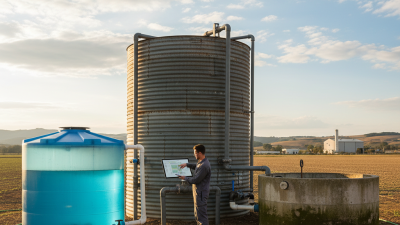
Selecting the right reservoir tanks can significantly impact your project's success. According to Dr. Emily Parker, a renowned expert in water management, "Choosing the proper reservoir tank is crucial for efficiency." These tanks store water for various applications, including irrigation, industrial use, and drinking water systems.
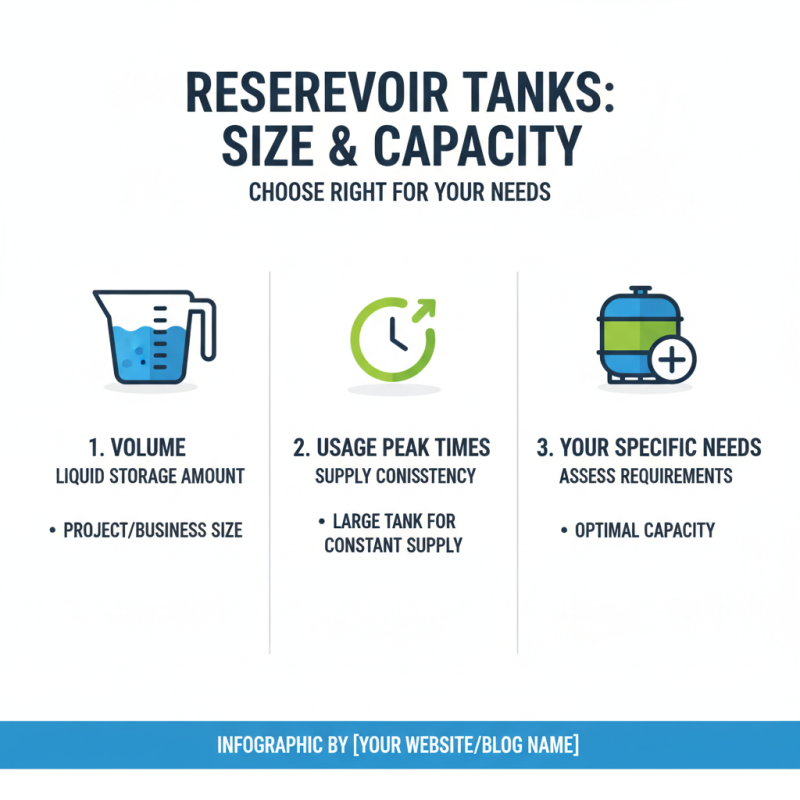
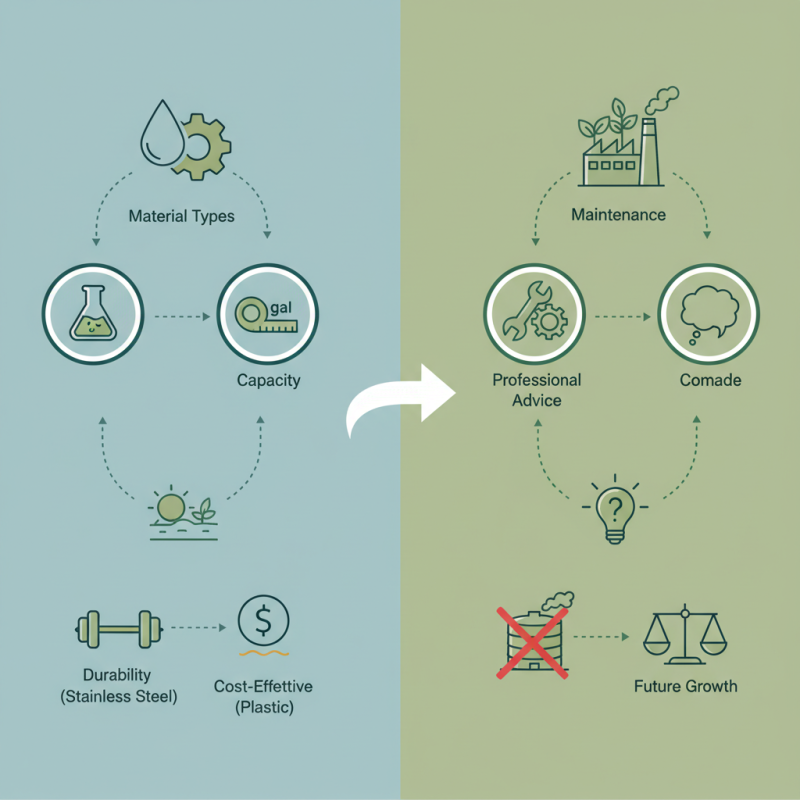
When evaluating options, it's vital to consider material types, capacity, and site conditions. Stainless steel may offer durability, while plastic can be more cost-effective. Sizing is also important; an undersized tank can lead to issues. Many users overlook maintenance aspects, which can affect long-term functionality.
Detailed planning can mitigate future complications. Seeking professional advice may help clarify the best choices. Reflecting on your specific needs and potential growth can lead to better decisions. In this process, it’s important to remember that every choice has its trade-offs.
Understanding Different Types of Reservoir Tanks and Their Applications
Choosing the right reservoir tanks requires an understanding of their various types and applications. Reservoir tanks commonly include plastic, metal, and fiberglass options. Each material offers unique benefits. Plastic tanks are often lightweight and resistant to corrosion, making them suitable for agricultural uses. Metal tanks, particularly steel ones, are durable and ideal for heavy-duty applications like oil storage. Fiberglass tanks provide excellent insulation, perfect for temperature-sensitive liquids.
When selecting a tank, consider its intended purpose. For residential rainwater harvesting, a plastic tank might suffice. Alternatively, industries requiring robust solutions may prefer metal tanks. Assess the tank’s capacity, as it needs to meet your water demand without oversizing.
Tips: Always check local regulations regarding tank installations. Ensure that the tank can handle the specific chemicals if you plan to store various liquids. Regular maintenance is crucial for longevity. Visual inspections can reveal issues like cracks or leaks early on. Regular cleaning will also help maintain water quality. Making informed choices today can save significant costs and problems in the future.
Key Factors to Consider When Selecting Reservoir Tank Materials
When selecting reservoir tank materials, several key factors demand careful consideration. The purpose of the tank affects material choice. For instance, water storage requires different properties than chemical containment. According to a recent industry report from the American Society of Civil Engineers, more than 70% of tank failures occur due to inappropriate material selection. This highlights the importance of aligning tank materials with specific uses.
Durability, corrosion resistance, and temperature tolerance are crucial aspects. Stainless steel is popular for its strength and longevity. On the other hand, polyethylene offers excellent chemical resistance but may degrade under UV exposure. A study from the National Association of Corrosion Engineers emphasizes that nearly 25% of all corrosion-related failures could have been avoided with the right materials. Tank designers should frequently evaluate environmental factors impacting material integrity.
**Tips**: Always assess the specific liquids or chemicals the tank will hold. Consider environmental impacts like temperature fluctuations and exposure to sunlight. Regularly inspect tanks for signs of wear or damage to avoid costly failures down the line. Ultimately, choose materials that align with both the tank's function and environmental conditions to ensure reliability and safety.
Comparison of Common Reservoir Tank Materials
This chart compares the durability of various reservoir tank materials over their expected lifespan in years. Steel tanks typically last around 30 years, while concrete can last up to 50 years. Plastic and fiberglass options have a shorter lifespan, approximately 20-25 years. Aluminum provides a good balance with about 40 years of durability.
Assessing Environmental and Regulatory Compliance for Reservoir Tanks
When selecting reservoir tanks, environmental and regulatory compliance is crucial. Organizations must consider local regulations on tank construction and material. Compliance helps mitigate risks related to leaks or contamination.
According to the Environmental Protection Agency (EPA), 60% of oil spills are linked to poorly maintained tanks.
Assessing environmental impact involves examining tank placement and potential risks. Tanks must be installed away from water sources to reduce contamination risks. Data from the National Council for State Authorization Reciprocity Agreements highlights that each state has unique regulatory standards. Understanding these nuances is essential for compliance.
Monitoring the tanks regularly is vital for environmental safety. Over 40% of facility owners report challenges in meeting maintenance requirements. Ensuring that tanks meet the latest integrity testing standards is often overlooked. Investing in training staff on compliance can significantly enhance safety.
Cost Analysis: Budgeting for Installation and Maintenance of Tanks
When budgeting for reservoir tanks, consider installation and ongoing maintenance costs. A well-chosen tank can save money in the long run. Initial costs may vary widely. Factors include size, materials, and location. Assessing these variables helps project realistic expenses.
Tips: Always obtain multiple quotes from contractors. This can highlight the best value for quality work. Don’t overlook long-term maintenance needs, which can add up. Even small leaks can escalate repair costs quickly.
Regular inspections can prevent major issues. Set aside a maintenance budget, around 10% of your installation cost annually. It’s essential to think about the future. Sometimes, the most cost-effective choices may not meet your long-term needs. Consider sizing and expansion options early on.