How to Choose the Right Smc Tank for Your Needs?
Choosing the right Smc Tank can significantly impact your project's success. With various types and specifications available, the decision may feel overwhelming. Understanding your unique needs is crucial.
Smc Tanks are known for their durability and versatility. They can serve different industries, from agriculture to manufacturing. However, not every tank fits every application. Consider the purpose, size, and material of the tank carefully.
Exploring options can reveal both benefits and drawbacks. While some tanks boast high efficiency, they may lack the necessary capacity for larger operations. Balancing cost with quality is essential. Take your time during the selection process. Make informed decisions to ensure long-term reliability of your Smc Tank.
Factors to Consider When Selecting an Smc Tank for Your Application
Selecting the right SMC tank involves various important factors. Understanding these can impact efficiency and safety. First, you need to consider the tank's capacity. According to industry studies, many applications require precise volume measurements. Choosing the right size can reduce costs and prevent leakage risks.
Next, think about the working environment. Different applications expose tanks to unique conditions. For instance, high temperatures or corrosive substances require durable materials. Reports reveal that selecting inappropriate materials can lead to early tank failure. It’s critical to assess environmental factors before making a decision.
Finally, think about installation and maintenance requirements. Ease of installation can significantly streamline operations. Additionally, some tanks may need more frequent maintenance, which can increase costs. Some experts recommend evaluating operational efficiency and maintenance needs for long-term benefits. Balancing these factors can lead to better decision-making in selecting the ideal SMC tank for your specific application.
How to Choose the Right Smc Tank for Your Needs?
| Factor |
Description |
Importance Level |
| Capacity |
The volume the tank can hold, measured in liters or gallons. |
High |
| Material |
Material type affects durability, weight, and cost (e.g., plastic, metal). |
Medium |
| Pressure Rating |
Maximum pressure the tank can withstand, crucial for safety. |
High |
| Dimensions |
Physical size of the tank must fit the available space. |
Medium |
| Usage Environment |
Tanks may be used indoors or outdoors; consider environmental factors. |
High |
| Cost |
Total price can greatly influence the purchasing decision. |
High |
| Maintenance Requirements |
How often the tank requires servicing and its ease of maintenance. |
Medium |
Understanding the Different Types of Smc Tanks and Their Uses
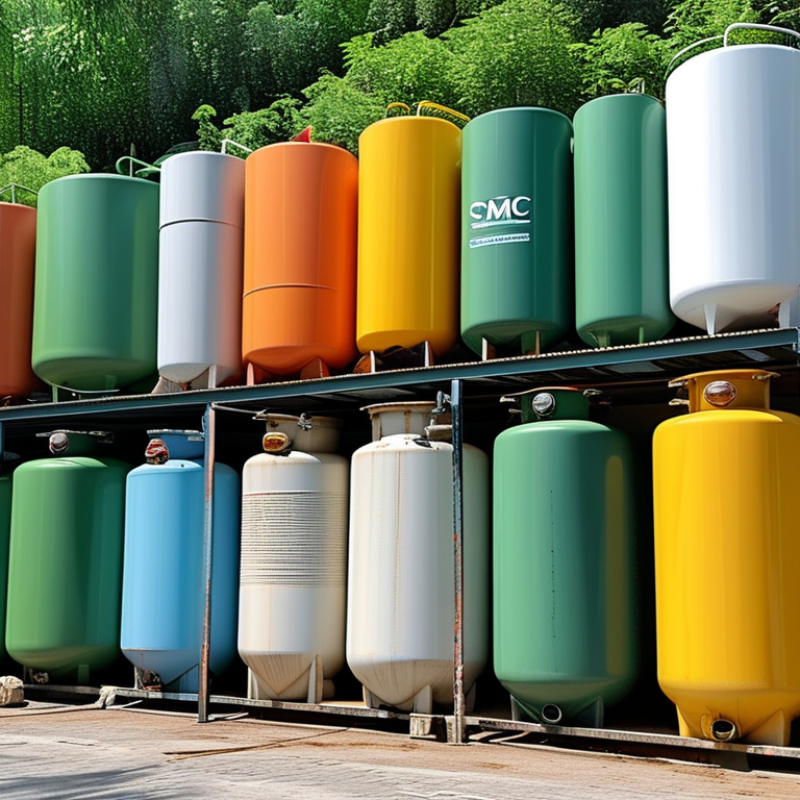
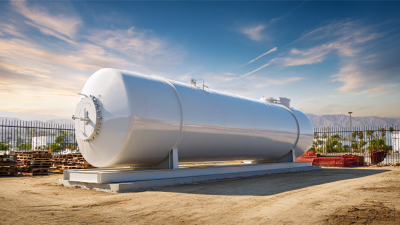
When selecting the right SMC tank, understanding the different types is crucial. SMC tanks vary in size, shape, and material. They are often made from a lightweight, durable composite material, offering excellent corrosion resistance. Common types include vertical and horizontal tanks, each serving specific functions. For instance, vertical tanks save space and are ideal for limited areas. Horizontal tanks, on the other hand, can be easier to access and maintain.
The uses of SMC tanks extend across multiple industries. In agriculture, they often store water for irrigation. In manufacturing, they may hold chemicals or liquids required for production. Some tanks are specifically designed for potable water, ensuring safety and compliance with health standards. However, not every tank fits every need. Users must consider capacity, installation requirements, and environmental conditions. The selection process can be overwhelming without proper knowledge.
Reflection on your specific requirements is essential. Assess the volume you need to store and the surrounding conditions. Evaluate how much space you have for installation. Some tanks may require additional support structures. If unsure, consulting a professional can offer valuable insights. Remember, investing time in understanding the options will lead to better decisions.
Key Specifications and Standards for Quality Smc Tanks
Choosing the right SMC tank requires an understanding of its key specifications. These specifications ensure that the tank meets industry standards for safety and performance. One critical standard to consider is the material quality. SMC tanks are typically made from a composite material that combines strength and lightweight properties. According to the American Composites Manufacturers Association, a well-constructed SMC tank can endure high pressure and resist corrosion effectively.
Another vital aspect is the tank's size and capacity. It's essential to select a tank that fits your operational needs. Research indicates that improperly sized tanks can lead to inefficiencies. A report by the International Water Association suggests that tanks should not only accommodate current needs but also allow for future expansion.
Pressure ratings are also a key specification. Tanks must meet specific pressure requirements based on their intended use. The American Society for Testing and Materials provides guidelines for pressure testing. Regular maintenance is crucial, as neglect can lead to unforeseen failures. Always assess the tank's condition and stress factors regularly. Being aware of these parameters can help ensure a reliable and efficient SMC tank operation.
Cost Analysis: Budgeting for Your Smc Tank Investment
Choosing the right SMC tank involves a careful cost analysis. SMC tanks are ideal for various applications, but budgeting is crucial. On average, quality SMC tanks can range from $200 to $2,000. Factors such as size, capacity, and additional features significantly impact costs. A report from the International Water Management Institute suggests that investing in durable tanks can lead to lower maintenance expenses over time.
Consider the lifespan of your investment. SMC tanks typically last 15 to 20 years, which translates to an annual cost of about $100 to $133, depending on the purchase price. Maintenance is also a key factor. Regular inspections can prevent costly repairs and replacements. A well-maintained tank reduces overall expenses and improves efficiency.
Evaluate your specific needs. A smaller facility may benefit from a compact option, while larger operations might require larger capacities. Analyze your storage requirements carefully. Avoid over-investing in unnecessary features. Sometimes, less complex options can prove more reliable. A detailed cost assessment, including installation and maintenance, ensures a sound financial decision. Don't overlook the total cost of ownership; this insight will guide you toward a wise investment.
Maintenance Tips for Maximizing the Longevity of Your Smc Tank
Considering the longevity of your SMC tank requires diligent maintenance. Regular inspections help identify any wear and tear. Look for corrosion, leaks, or unusual noises. These signs can indicate issues that, if ignored, might lead to larger problems. Keeping a close eye on these factors helps maintain the tank's integrity.
Routine cleaning is vital. Dust and debris can accumulate over time. Depending on your usage, schedule cleanings every few months. Use a soft cloth and mild detergent for the best results. Don’t use harsh chemicals that may damage the tank material. Remember that a clean tank operates more efficiently.
Check the connections and valves regularly. Loose fittings can cause leaks, wasting resources. Tighten any loose connections to prevent minor issues from escalating. Additionally, maintaining proper pressure levels is crucial. Too much pressure can stress the tank, reducing its lifespan. It's essential to monitor these levels consistently. Keep a log of your maintenance checks to spot patterns or issues that need attention.