2026 Top Grp Water Tanks for Global Buyers What to Know?
As the demand for reliable water storage solutions grows, GRP water tanks emerge as a popular choice for global buyers. Renowned expert Dr. Emily Hartfield, a leading authority in water management, notes, "GRP water tanks provide both durability and efficiency for various applications." This sentiment highlights the increasing relevance of these tanks in today's market.
Globally, industries ranging from agriculture to construction rely on GRP water tanks. Their lightweight design and corrosion resistance are essential features. However, potential buyers must consider factors like installation space and local regulations before making a decision.
Moreover, the market for GRP water tanks is evolving. Emerging technologies and eco-friendly materials are becoming more prevalent. While this progress is promising, it's important to recognize that not all products meet the highest standards. Comprehensive research is vital for ensuring quality and reliability in purchasing decisions.
2026 Global Market Overview for GRP Water Tanks: Key Insights
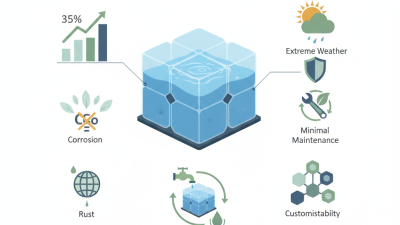
The global market for GRP (Glass Reinforced Plastic) water tanks is experiencing significant growth. This can be attributed to their durability, lightweight structure, and corrosion resistance. Many industries use these tanks for storing water and chemicals. They are increasingly popular in places with extreme weather conditions. Their low maintenance requirements make them appealing for long-term use.
Understanding the market trends is crucial. Demand is rising in regions facing water scarcity. GRP tanks offer a reliable solution for storing water efficiently. Buyers should also consider installation costs. Some regions may have high labor costs, impacting overall expenses. Moreover, quality standards vary worldwide. It’s essential to ensure compliance with local regulations.
However, potential buyers must navigate some uncertainties. The availability of raw materials can fluctuate, affecting prices. Additionally, the technology used in manufacturing continues to evolve. Staying updated on these changes can guide informed purchasing decisions. Some water treatment processes may also need specific tank types, which complicates selection. Overall, thorough research is needed for successful investments in GRP water tanks.
Top Manufacturers of GRP Water Tanks and Their Market Share Statistics
In the competitive landscape of GRP water tanks, multiple manufacturers vie for dominance. The market exhibits a variety of player sizes, each with distinct strengths. Smaller manufacturers often captivate niche markets. They provide specialized solutions that large corporations might overlook. Their personalized service and swift responses can leave a lasting impact.
Market share statistics reveal a diverse distribution among top players. Some companies dominate with comprehensive product lines, while others focus on innovation. This diversity fosters competition, leading to better quality and pricing for consumers. However, market fluctuations can challenge some of these manufacturers. Changes in raw material costs can disrupt operations, raising product prices and potentially affecting customer loyalty.
Understanding these dynamics is crucial for buyers. Researching manufacturers thoroughly can aid in making informed decisions. A focus on reliability and after-sales support often proves more valuable than initial pricing. Buyers should also consider the long-term benefits of quality tanks, even if upfront costs are higher. Relying on lesser-known manufacturers may yield risks in quality or service response times.
Key Features and Benefits of GRP Water Tanks for Buyers
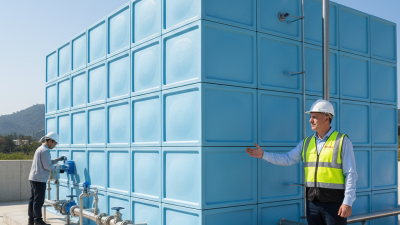
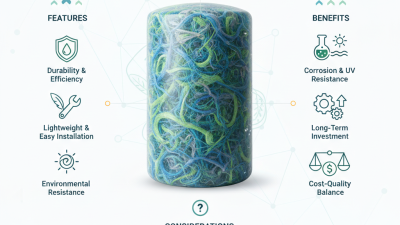
GRP water tanks are becoming increasingly popular among global buyers due to their versatile features and numerous benefits. These tanks are made from glass reinforced plastic, known for their durability and robustness. According to industry reports, GRP tanks can last over 30 years with proper maintenance, making them a cost-effective option in the long run. They resist corrosion and require less maintenance compared to traditional materials like steel or concrete.
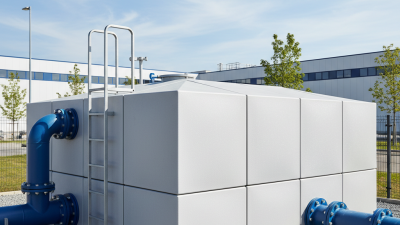
Another significant advantage is their lightweight nature. GRP tanks are easier to transport and install, reducing labor costs during setup. For example, a typical GRP tank weighs only a fraction of equivalent steel tanks, facilitating easier logistical handling. Additionally, their modular design allows for flexible configurations to meet space constraints in various environments. However, buyers should also reconsider installation standards to ensure compliance with local regulations,
as misalignment can lead to structural issues.
Furthermore, GRP tanks are known for their excellent thermal insulation properties. This feature helps maintain water temperature, which is essential for specific applications. Surveys indicate that proper insulation can improve energy efficiency by up to 15%. Nevertheless, buyers should consider that improper installation could undermine this effectiveness. Ensuring qualified personnel are involved is crucial for maximizing the benefits of GRP water tanks.
Global Trends in GRP Water Tank Materials and Sustainability Practices
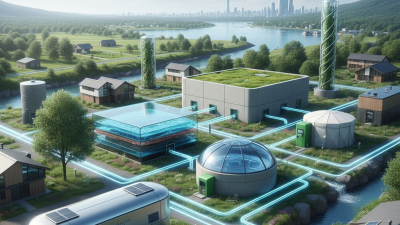
The growing demand for GRP (Glass Reinforced Plastic) water tanks highlights a shift in material usage and sustainability practices. As global awareness of environmental issues increases, manufacturers are focusing on eco-friendly production methods. GRP tanks offer durability and resistance to corrosion. They are lighter and often more affordable compared to traditional materials. However, the production process still requires significant energy, raising questions about its overall sustainability.
Recent trends indicate a move towards using recycled materials in tank construction. Some companies are beginning to integrate post-consumer plastics, which could help minimize waste. This innovative approach presents an opportunity for enhancement in sustainability efforts. Nevertheless, not all manufacturers adopt these practices, and quality control remains a challenge. Water storage solutions should prioritize longevity and safety while minimizing their carbon footprint.
While GRP tanks boast many benefits, it is crucial to scrutinize their lifecycle. Efforts to improve recycling capabilities are underway, but limitations exist. Understanding these nuances helps consumers make informed choices. Ultimately, the quest for sustainable water storage remains complex, requiring ongoing dialogue and innovation within the industry.
2026 Top GRP Water Tanks for Global Buyers What to Know?
| Dimension (L x W x H) |
Capacity (Liters) |
Material Type |
Sustainability Rating |
Certification Standards |
| 2m x 2m x 2m |
8000 |
GRP |
A+ |
ISO 9001 |
| 1.5m x 1.5m x 2m |
5000 |
GRP |
A |
ISO 14001 |
| 3m x 3m x 2.5m |
15000 |
GRP |
A++ |
ISO 45001 |
| 2.5m x 2.5m x 2m |
10000 |
GRP |
B+ |
ISO 50001 |
Critical Factors to Consider When Purchasing GRP Water Tanks in 2026
When considering GRP water tanks in 2026, it’s essential to assess design and material quality. The tank's structure should resist corrosion, ensuring longevity. Look for tanks with proper insulation. This can maintain water temperature effectively.
Poor insulation can lead to inconsistent water quality.
Capacity is another critical factor. Determine your specific needs based on usage. Oversized tanks may waste resources, while undersized tanks could lead to shortages. Evaluate installation space too. Space constraints can significantly impact your choices.
Additionally, think about maintenance requirements. Easy-to-clean tanks save time and costs in the long run.
Finally, consider local climate influences. Extreme temperatures can affect tank durability. Certain materials may perform poorly in harsh conditions. This inconsistency could be costly. Always review user feedback and expert analysis before making a purchase. Reliable information will guide you toward the best choice for your needs.