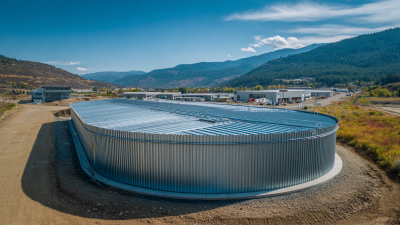
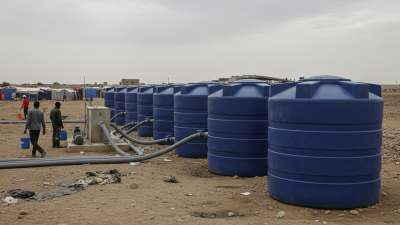
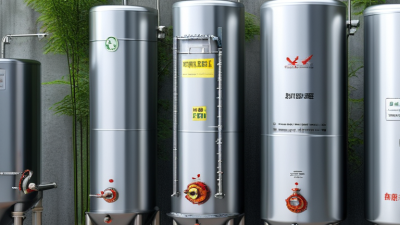
What is a Water Storage Tank and Why Do You Need One?
In the realm of water management, a "Water Storage Tank" plays a crucial role. These tanks help ensure a reliable water supply for households and industries alike. According to industry reports, global demand for water storage solutions is expected to grow by over 5% annually. This statistic underscores the importance of having efficient storage systems in place.
Water shortages can strike unexpectedly, making storage tanks essential. They provide not only emergency reserves but also facilitate efficient water distribution. Data from the Water Research Foundation indicates that improper water storage can lead to contamination, highlighting the need for quality tanks. Investing in a reliable water storage system is, therefore, not just a choice; it's a necessity.
While many understand the importance of these tanks, some may overlook their maintenance. Regular inspections can prevent issues like leaks and algae growth. Thus, while the presence of a water storage tank is vital, its upkeep warrants reflection. The balance between adequate supply and proper care is essential for long-term effectiveness.
What is a Water Storage Tank?
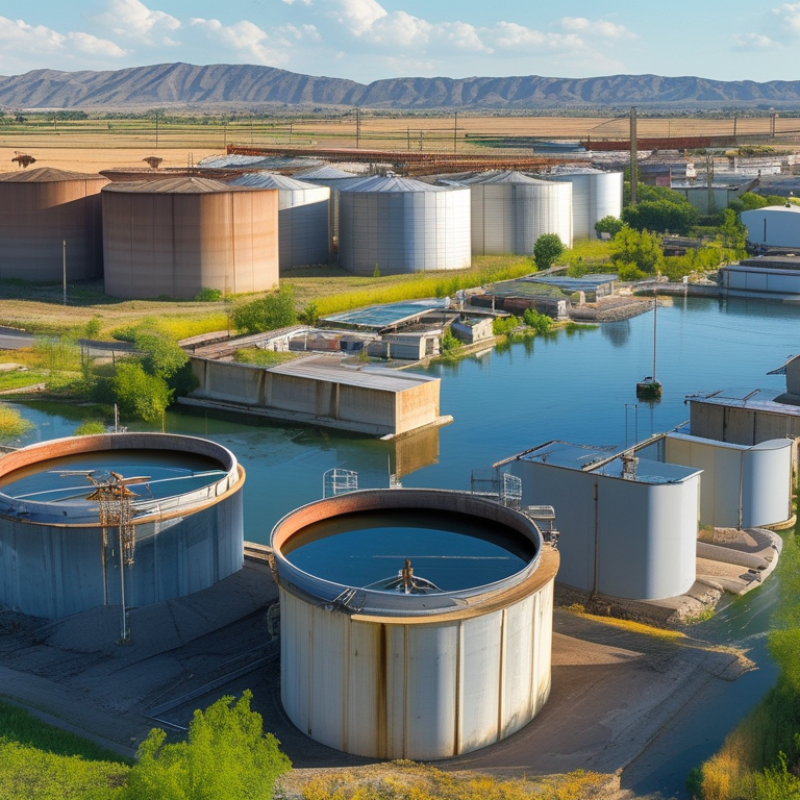
A water storage tank is a crucial component in various applications, providing a reliable supply of water for households, industries, and agriculture. These tanks come in various sizes and materials, tailored to meet specific needs. According to the Water Research Foundation, approximately 90% of rural households in the U.S. rely on water storage systems for daily needs, highlighting their importance.
In urban areas, water storage tanks help manage water supply fluctuations. The American Water Works Association reports that water consumption can peak during summer months. Tanks store excess water during low-demand periods. This prevents shortages and ensures consistent pressure in the distribution system. Each tank can hold thousands of gallons, directly affecting service reliability.
Despite their benefits, some issues remain. Maintenance of water quality can be challenging. Sediment buildup and microbial growth occur without proper care. A study by the Centers for Disease Control found that poorly maintained tanks can lead to waterborne diseases. Regular checks and proper cleaning are essential. This responsibility often falls on the property owners or facility managers. Using water storage tanks requires both an understanding of their necessity and a commitment to maintenance.
What is a Water Storage Tank and Why Do You Need One?
| Dimension |
Description |
| Type |
Above-ground, Below-ground, or Underground |
| Material |
Plastic, Steel, Concrete, or Fiberglass |
| Capacity |
Ranges from 50 gallons to thousands of gallons |
| Purpose |
Store water for irrigation, drinking, firefighting, or emergency supply |
| Maintenance |
Regular cleaning and water quality checks |
| Installation |
Above-ground tanks typically easier to install than below-ground |
| Cost |
Varies widely based on size, material, and installation |
| Regulation |
Compliance may be required depending on local laws |
Functions and Benefits of Water Storage Tanks
Water storage tanks serve essential roles in various settings, from households to large industries. They provide a reliable supply of water for domestic use, irrigation, and even firefighting. One major function is ensuring water availability, especially during dry spells or emergencies. This prevents interruptions in daily activities and enhances overall convenience.
Benefits are numerous. Water tanks can reduce your dependence on municipal water supply systems. They enable you to collect rainwater, making it an eco-friendly choice. Storing water can lead to cost savings, as it allows you to utilize water during off-peak hours. Additionally, they help in managing water pressure, ensuring a steady flow when needed.
Tip: Regularly check your tank for leaks or sediment buildup. Keeping it clean enhances water quality. Assess the size you need based on your consumption patterns. Doesn't hurt to consult an expert before making a decision. Proper installation is crucial for maximizing efficiency.
Types of Water Storage Tanks Available
When considering a water storage tank, understanding the types available is essential. Several options exist, each tailored to different needs. One popular choice is the polyethylene tank. These tanks are lightweight, resistant to corrosion, and suitable for various water types. They are often used for residential purposes and rainwater harvesting.
Another option is the fiberglass tank. Known for their durability, fiberglass tanks can withstand harsh weather conditions. They are ideal for both above-ground and underground installations. Steel tanks also have their place, especially in industrial applications. They are robust and can hold large quantities of water but may require additional maintenance to prevent rust.
Tips: When selecting a tank, evaluate its capacity and purpose. Ensure it meets local regulations. Regularly inspect your tank for leaks or damage. Every tank type requires care; neglect can lead to contamination. Remember that installation location is crucial. Poor placement can limit access for maintenance.
Water Storage Tank Types and Capacities
Factors to Consider When Choosing a Water Storage Tank
When choosing a water storage tank, several factors come into play.
Size is crucial.
Consider your daily water needs and choose a tank that can meet those demands. A larger tank might seem better, but it can occupy additional space and may lead to higher costs.
Durability also matters. Look for materials resistant to corrosion and damage. This ensures your tank will last longer and require less maintenance.
The temperature of your environment affects tank selection too. In colder areas, insulation is vital to prevent freezing. In hotter climates, UV protection is necessary. Think about installation challenges, including accessibility and ground stability.
An improperly installed tank can lead to leaks or contamination which you must avoid.
It’s vital that the tank fits within your property’s layout, as unforeseen obstacles might complicate the process. This careful consideration can prevent future headaches and wasted resources.
Maintenance Tips for Optimal Tank Performance
Water storage tanks are essential for many households and businesses. However, maintaining them is crucial for ensuring optimal performance. Regular checks can prevent minor issues from becoming major problems. If left unchecked, sediment buildup can occur, reducing water quality.
Inspect the tank for signs of rust or corrosion regularly. These issues can compromise the tank's structural integrity. Moreover, looking at the water levels can alert you to leaks or fluctuations. It is important to clean the tank periodically. This process removes deposits and maintains water clarity.
Don’t forget about the fittings and valves. These components should be inspected at least twice a year. Leaking valves can waste water and increase costs. Document your maintenance schedule to track any changes over time. Such practices contribute to longevity and reliability. Regular attention to your water storage tank can save you time and resources in the long run.