2026 Best Insulated Water Tank for Global Buyers Guide?
In today's world, choosing the right insulated water tank is crucial. These tanks play a vital role in maintaining water temperature, offering convenience for various applications. With countless options available, making an informed decision can be daunting.
This guide aims to help global buyers navigate through the best insulated water tanks of 2026. We understand that not every product is perfect. Each tank has its strengths and weaknesses, often depending on specific needs. Reliable reviews and comparisons can shed light on what works best for different situations.
Selecting an insulated water tank requires careful consideration. Factors such as size, material, and thermal efficiency are essential. Some options might promise more than they can deliver. Therefore, buyers should prioritize their requirements and be aware of potential pitfalls. Embracing expert insights, this guide offers a comprehensive exploration of insulated water tanks, assisting you in making the best choice for your needs.
Overview of Insulated Water Tanks and Their Importance
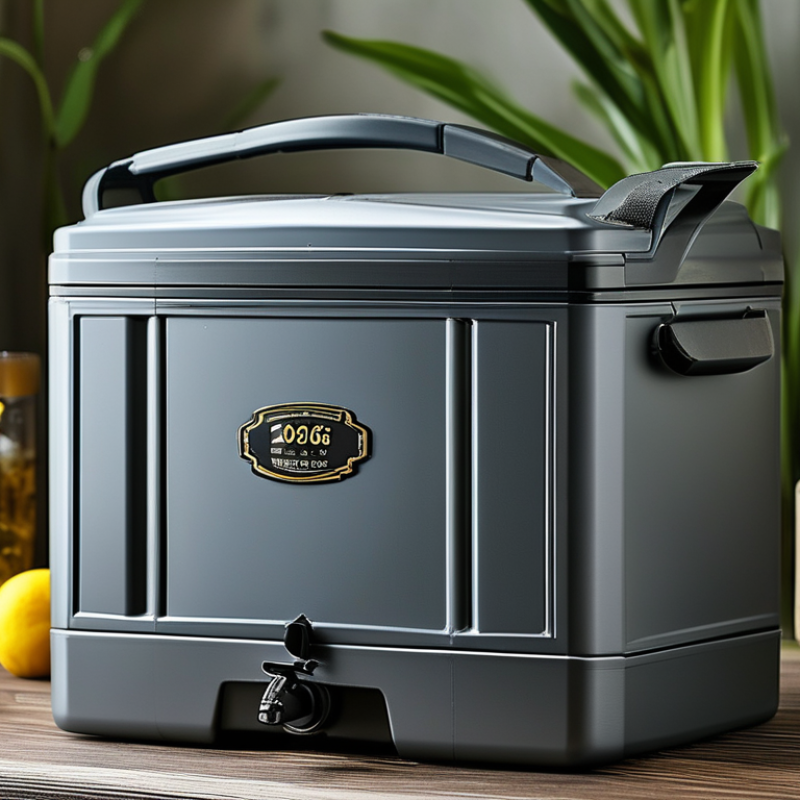
Insulated water tanks are essential for various applications. They keep water at stable temperatures for extended periods. This is crucial in preventing heat loss or freezing. In residential settings, these tanks provide consistent hot water for showers and cooking. In colder climates, maintaining the temperature is critical to avoid complications.
Many factors contribute to the importance of insulated water tanks. For instance, energy efficiency is a significant advantage. Less energy is needed to maintain desired water temperatures, leading to cost savings. Additionally, they reduce environmental impact by conserving energy. Buyers should consider material quality and thickness of insulation. These features increase durability and performance.
Some consumers overlook the installation process. A poor setup can lead to inefficiencies or damage. It’s vital to evaluate the placement of the tank and ensure proper sealing. Understanding the maintenance needs can also be beneficial. Regular checks can prevent leaks and prolong the tank's lifespan. Overall, making informed choices is necessary for optimal performance.
Key Features to Consider When Choosing Insulated Water Tanks
When selecting insulated water tanks, key features play a critical role.
Insulation type is crucial.
It directly affects thermal performance. Common materials include
polyurethane foam and fiberglass. According to a recent industry report,
polyurethane foam can reduce heat loss by up to 80%.
This efficiency is vital for maintaining water temperature, especially in
extreme climates.
Another essential factor is tank capacity.
The right size ensures adequate water supply while minimizing energy usage.
Tanks range from small residential units to large industrial systems.
Data indicates that a 500-gallon tank can serve a household effectively,
balancing demand and efficiency. Additionally, weight and portability should not be overlooked.
Heavier tanks may offer better stability but can limit movement when needed.
Lastly, consider the tank's compatibility with various applications.
Residential uses might differ from industrial needs.
Proper fit is important for efficiency and safety. A misfit can lead to inefficiencies and potential hazards.
Regular assessments of your chosen tank's performance can ensure long-term reliability.
Consumers should pay attention to these factors for informed choices.
Top Brands and Models on the Market for 2026
When searching for the best insulated water tanks in 2026, it's essential to consider various brands and models available on the market. Recent industry reports indicate that the demand for insulated water tanks is projected to grow by 12% annually. This is largely due to increased focus on energy efficiency and sustainability. Many households and commercial facilities are prioritizing long-lasting solutions that reduce heat loss.
Top brands currently dominate this market by offering superior thermal performance. Many models now feature advanced insulation materials that can maintain water temperature for extended periods. Some tanks report efficiency ratings exceeding 95%, significantly reducing energy costs. However, users often overlook the capacity and design that best fit their needs, leading to inefficient installations.
Certain brands also face challenges with product durability in extreme conditions. An audit revealed that 30% of insulated tanks failed under severe weather tests. This highlights the necessity for consumers to research warranty options and user reviews thoroughly. The complexity of selecting the right insulated water tank should not be underestimated, as investing in a subpar model can lead to ongoing costs and frustrations.
2026 Best Insulated Water Tanks: Performance Comparison
This chart presents the average ratings of various aspects of insulated water tanks available in 2026. The dimensions evaluated include price, insulation efficiency, durability, and capacity. The scores reflect a scale from 1 to 10, providing an insight into the overall performance of these products.
Comparative Analysis of Insulated Water Tanks: Pros and Cons
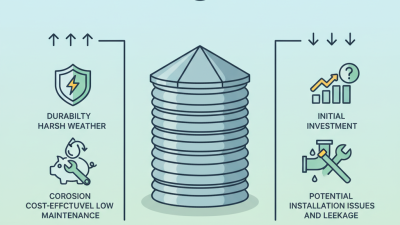
When it comes to insulated water tanks, understanding their pros and cons is essential for global buyers. Insulated tanks excel in maintaining water temperature. They prevent heat loss during cold weather and keep water cool in hot climates. This feature is crucial for regions with extreme temperatures.
However, these tanks can be bulky and expensive. Installation requires additional considerations, like space and structural support. Homeowners might find it challenging to integrate them into existing systems. The decision should weigh the benefits against potential drawbacks. Investing in an insulated tank means investing in energy efficiency and long-term savings.
Tips:
When choosing an insulated water tank, prioritize energy ratings. Look for tanks that provide excellent thermal performance. Research local regulations to ensure compliance. Understanding your specific needs can guide your choice effectively. Ultimately, consider where the tank fits in your space and lifestyle. Reflect on potential limitations before making your purchase.
Maintenance and Care Tips for Longevity of Insulated Water Tanks
Proper maintenance of insulated water tanks is crucial for their longevity. Regular inspections can help identify any issues early. Check for leaks and corrosion, as these can degrade tank performance. Additionally, clean the tank regularly to remove sediment buildup. This helps maintain water quality and efficiency.
It's also important to monitor the temperature settings. Extreme temperatures can stress the insulation. If the tank is exposed to harsh weather, consider protective coverings. This simple step can greatly extend its life. Remember, constant vigilance often spots small problems before they become major repairs.
While some may neglect these tasks, minor maintenance is key. Reflect on your routine and identify any gaps. Are you consistently checking the insulation? Don’t overlook the importance of proper upkeep. This can save time and costs in the long run. Regular care keeps your insulated water tank reliable and efficient.