Top 10 Stainless Water Tank Manufacturers for Global Buyers
A Stainless Water Tank can look simple from the outside: a polished cylinder, clean welds, and a set of inlet and outlet connections. Yet global buyers must assess much more than appearance. Steel grade, weld quality, internal finish, insulation, and access for cleaning all affect a tank’s suitability. So does the manufacturer’s ability to provide clear drawings, inspection records, and practical support after delivery.
Engineer and author Henry Petroski wrote, “Science is about knowing; engineering is about doing.” That principle fits tank procurement: specifications matter, but production and verification matter just as much. A useful comparison checks each supplier’s experience, fabrication capabilities, quality controls, customization options, and export support. It should also distinguish documented claims from marketing language. A polished brochure is not proof.
This Top 10 guide is designed to help buyers compare stainless tank manufacturers across different project needs, from water storage at a commercial site to larger industrial installations. The ranking should be treated as a starting point, not a substitute for due diligence. Confirm the proposed steel grade, dimensions, operating conditions, and inspection requirements directly with each supplier. Ask how welds are checked and what records accompany the finished tank. Details count.
And some details are easy to miss. A supplier may be a strong fit for one project, yet unsuitable for another because capacity, site access, delivery terms, or service coverage differ. No single list can resolve every purchasing decision. Use it to ask sharper questions, then verify the answers before committing.
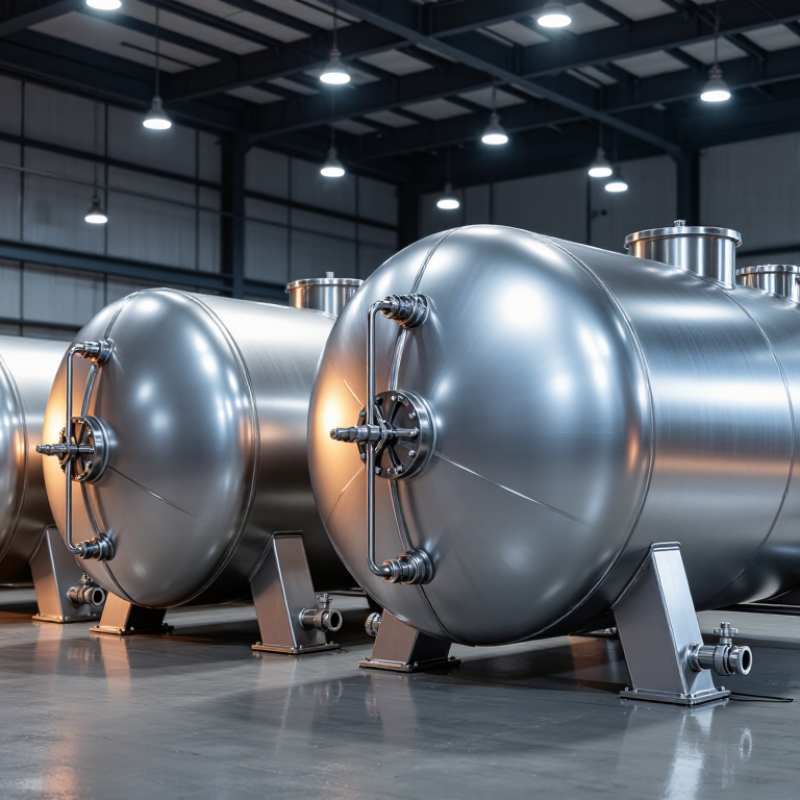
Stainless Steel Water Tanks: Applications and Global Market Overview
Stainless steel water tanks support drinking-water storage, food processing, hospitals, hotels, farms, and industrial facilities. Their smooth, corrosion-resistant surfaces can make cleaning easier, but performance depends on water chemistry, fabrication, and upkeep. A tank beside a coastal plant may face salt-laden air, while one indoors may need insulation to limit temperature changes. Small details matter.
Design needs vary by use. Potable-water systems require suitable materials, hygienic welds, secure covers, and access for inspection. Process facilities may need specific capacities, fittings, or temperature controls. Buyers should check material grade, wall thickness, weld quality, and documented testing against the intended service. A polished exterior alone proves little. It is easy to overlook.
The global market includes local fabricators and export-oriented manufacturers, with availability and lead times shaped by steel supply, transport, and project specifications. Buyers often compare price, but freight, installation, spare parts, and maintenance can change the real cost. Requirements also differ by destination, so technical documents should be reviewed with qualified project professionals. Specifications can still miss site realities, such as narrow access or uneven foundations. That deserves a second look.
How to Evaluate Manufacturers for Quality, Capacity, and Compliance
A stainless water tank can look sound in a product photo and still be unsuitable for a specific site. Ask manufacturers for material certificates, weld inspection records, and pressure or leak-test procedures. Check that certificates identify the steel grade and can be traced to the supplied tank. Look closely at welds, internal finishes, and connections; rough seams can complicate cleaning. Request recent inspection evidence, not only a polished sample report.
Capacity means more than the tank’s stated volume. Confirm usable capacity, dimensions, inlet and outlet locations, and whether the design fits through the site’s access points. Ask how the factory handles production peaks and replacement parts. A supplier may promise a short lead time, but material availability and custom fittings can change it. I would verify the schedule in writing, even when the sales discussion feels reassuring.
Compliance depends on the destination and the water’s intended use. Ask which standards and documents apply, and have the manufacturer identify the exact test reports for the proposed model. For drinking-water applications, confirm that wetted materials and coatings meet the buyer’s local requirements. Do not assume one certificate covers every market. If possible, arrange a factory audit or independent pre-shipment inspection. It costs time. Sometimes it reveals small issues, such as a mislabeled outlet, that are easy to miss in a brochure.
Top 10 Stainless Water Tank Manufacturers for Global Buyers
A practical quality and compliance check: verify the stainless steel grade against its material test report.
Values show the minimum chromium, nickel, and molybdenum content by weight specified for Types 304 and 316 plate under ASTM A240/A240M. Type 304 has no specified molybdenum minimum. Confirm the applicable standard, product form, and actual chemistry on the manufacturer’s material test report; these figures are not manufacturer ratings.
Top Stainless Water Tank Manufacturers Serving Global Buyers
Stainless water tank manufacturers serving global buyers must balance dependable fabrication with practical export support. Buyers should compare steel grade, plate thickness, weld finish, and the intended water conditions. A tank for a coastal site may need different corrosion protection from one installed indoors. Ask how the manufacturer checks welds and tests for leaks. Request drawings, material records, and inspection documents before approving production. Clear answers matter.
Shipping and installation deserve equal attention. Confirm tank dimensions, access openings, foundations, lifting points, and connection locations against the project drawings. Check whether the supplier can provide packing details and installation guidance for the destination site. Delivery schedules can shift, so build in time for inspection and transport planning. A polished brochure is not proof. Verify claims through documents and, where practical, an independent inspection. Even experienced buyers can miss small connection details; that is worth reflecting on before purchase.
Tips: Send the same technical specification to each shortlisted manufacturer. Compare written responses, not just prices. Ask for references from projects with similar water quality and operating conditions. Confirm warranty scope, spare-part availability, and who handles technical questions after delivery. If an answer feels vague, request a specific example or document.
Comparing Product Ranges, Customization, and Service Capabilities
Comparing ten stainless water tank manufacturers means looking beyond capacity and price. Product ranges may include compact indoor vessels, modular panel tanks, and large welded storage systems. Check whether the stated capacity refers to usable volume, and confirm material grade, wall thickness, and finish. Details matter. For drinking-water applications, request documentation on material suitability, internal surface treatment, and cleaning requirements. A polished exterior is not proof of a suitable interior.
Customization can make installation easier, but it should solve a real site constraint. Ask about tank dimensions, inlet and outlet positions, access hatches, insulation, supports, and level-monitoring options. Share a layout or photographs of the installation area before comparing quotations. That is not enough, though; confirm how design changes affect price, delivery, and maintenance access. Service capability deserves equal attention. Clear drawings, realistic lead times, installation guidance, and replacement-part availability are practical signs of support. Ask how the manufacturer handles defects and technical questions after delivery. References from comparable projects can help, but verify the details. A spreadsheet may make ten suppliers look similar. It can also hide what matters.
Key Considerations for Selecting and Sourcing a Tank Manufacturer
Selecting a stainless water tank manufacturer begins with the application, not the catalogue.
Define the stored water type, operating temperature, site dimensions, and required capacity. Ask whether the proposed steel grade suits the water chemistry. Stainless steel is not one-size-fits-all. Grades such as 304 and 316 can behave differently in corrosive conditions, so request a clear explanation of the recommendation.
Review fabrication quality and documentation before comparing prices. Ask for material traceability, weld inspection records, surface-finish details, and drawings showing connections and access points. Check how the tank will be cleaned and maintained. A smooth interior and accessible manway matter when inspections are difficult. Confirm the supplier can explain transport limits, installation needs, and lead times in practical terms. In my experience, a low quote can hide missing scope. I would still compare offers line by line, because even careful specifications can leave gaps.
Tips:
Send the same written specification to every candidate. Request recent project references for similar tank sizes and uses. Check what is included in delivery, installation, testing, and after-sales support. Keep a small allowance for site changes; they happen more often than planned.