Leave Your Message

2026 Top Galvanized Water Tanks for Global Buyers

Choosing the right Galvanized Water Tanks in 2026 requires more than comparing prices, capacities, and delivery dates. Global buyers must examine steel quality, zinc coating thickness, tank structure, water-contact materials, and installation conditions. A tank standing under intense sunlight, heavy rain, or freezing temperatures faces different demands than one installed indoors. These details influence service life, maintenance costs, and water safety.

Peter H. Gleick, a respected water researcher and co-founder of the Pacific Institute, once said, “The world’s water crisis is not a crisis of scarcity, but a crisis of management.” His observation also applies to storage decisions. Poorly planned capacity can cause overflow, stagnant water, or unnecessary replacement. Bigger is not always better.

This guide reviews the 2026 Galvanized Water Tanks market for international purchasers. It considers agricultural irrigation, household supply, commercial facilities, emergency reserves, and industrial use. We will compare practical tank sizes, corrosion protection, roof designs, fittings, transport requirements, and supplier reliability. Regional climate matters. So does installation.

A small detail can become expensive.

Buyers should verify coating standards, weld quality, access covers, drainage points, and warranty terms before ordering. Supplier photographs may look convincing, but technical drawings and inspection records provide stronger evidence. We also recognize an uncomfortable point: no tank performs perfectly in every environment. Even well-made galvanized steel can require cleaning, inspection, and occasional repairs. This introduction therefore focuses on informed selection, not exaggerated promises.

2026 Top Galvanized Water Tanks for Global Buyers

Galvanized Water Tanks: Definition, Structure, and Core Features

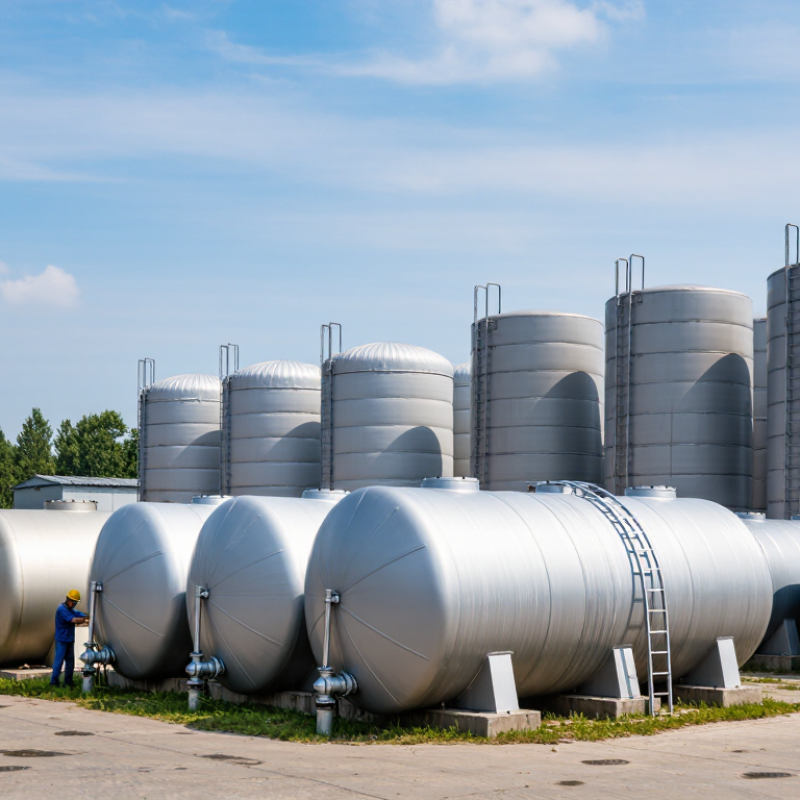
A galvanized water tank is a storage vessel made from steel protected by a zinc coating. The zinc layer slows rust by forming a barrier and offering sacrificial protection when the surface is scratched. Hot-dip galvanizing usually provides a thicker, more durable coating than simple painted steel. These tanks commonly serve farms, factories, construction sites, and municipal water systems.

The structure normally includes galvanized steel panels, bolted joints, a roof, an access manway, and inlet, outlet, overflow, and drain connections. Many models include an internal liner, especially when storing potable water or liquids with specific chemical requirements. A reinforced concrete foundation keeps the tank level and reduces stress on the panels. Flexible seals are important because small leaks often begin around fittings, not in the main wall.

Galvanized tanks resist outdoor weather and can be assembled in sections, which helps on restricted sites. They also allow damaged panels to be replaced instead of removing the entire tank. Still, zinc protection is not permanent. Standing water, acidic conditions, rough transport, and poor drainage may shorten service life. Regular inspections should check coating wear, bolt tightness, sediment, and liner damage. Water quality testing remains necessary for drinking-water use. A tank may look sound outside while its internal coating quietly deteriorates. That detail is easy to miss. Some specifications also overstate capacity, because usable volume decreases when freeboard and maintenance space are considered.

How Galvanized Water Tanks Work and Where They Are Used

2026 Top Galvanized Water Tanks for Global Buyers

How Galvanized Water Tanks Work and Where They Are Used

A galvanized water tank uses steel protected by a zinc coating. The zinc forms a physical barrier against moisture and oxygen. It also offers sacrificial protection when the surface receives minor scratches. Many tanks use corrugated panels, bolted joints, and a sealed roof. An internal liner may improve water quality and extend service life.

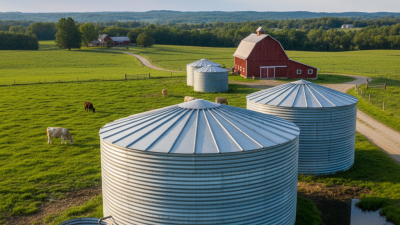
These tanks store rainwater, drinking water, irrigation supplies, and emergency reserves. Farms often place them near wells or collection channels. Construction sites use them where temporary water storage is needed. Remote communities may select modular tanks because panels are easier to transport. In hot regions, a shaded location can reduce temperature changes and algae growth.

Performance depends on more than the metal coating. Water chemistry, soil movement, drainage, and installation quality all matter. Acidic water can accelerate zinc wear. Regular checks should examine seams, roof fittings, foundations, and sediment levels. Local drinking-water rules must also be verified before human consumption. A certified liner may be necessary.

One practical lesson is simple. A tank can look sound while its foundation shifts. That risk is easy to underestimate. Galvanized steel is durable, not maintenance-free. Engineers should match capacity, climate, access, and expected water use. They should also leave room for inspection and safe cleaning. Small planning mistakes can become expensive later.

Key Specifications for Comparing Global Tank Options

2026 Top Galvanized Water Tanks for Global Buyers

Key Specifications for Comparing Global Tank Options

Global buyers should compare galvanized water tanks by documented specifications, not photographs. Capacity must match daily demand, storage cycles, and foundation space. A 50,000-liter tank may serve irrigation, livestock, and emergency reserves. An oversized unit increases cost and cleaning time. Measure twice.

Check steel thickness, zinc coating mass, and panel design. Thicker steel usually improves structural confidence, but it also raises shipping weight. Ask for coating test reports, material certificates, and corrosion protection details. Potable-water projects need safe gaskets, certified internal coatings, and cleanable access openings. These details are easy to overlook.

Foundation requirements matter. Review tank diameter, filled weight, wind exposure, seismic conditions, and anchoring methods with a qualified engineer. Confirm inlet, outlet, overflow, drain, ladder, and inspection-port sizes before ordering. Standard fittings may not match local pipe systems. That mistake can delay installation.

Transport also affects the real price. Bolted sectional panels may reduce freight volume, while assembly needs trained workers and proper torque control. In field evaluations, poor foundation leveling causes more trouble than many buyers expect. It can create uneven pressure and leakage. Specifications rarely tell the whole story. Request installation drawings, maintenance intervals, spare-part availability, and warranty conditions in writing. A lower quotation may hide missing valves, weak access hardware, or limited technical support. Verify everything before payment.

Top Galvanized Water Tank Types and Their Best Applications

2026 Top Galvanized Water Tanks for Global Buyers

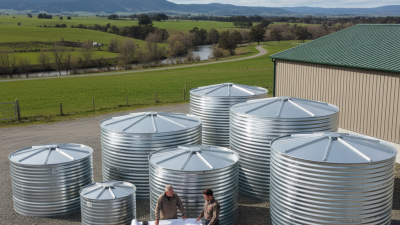
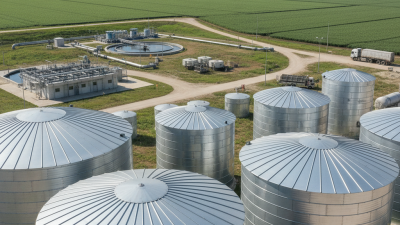
For global buyers, galvanized water tanks are not one universal product. Their shapes, panel systems, and protective layers suit different operating conditions. Corrugated bolted tanks work well for large farms, municipal storage, and remote projects. They arrive in panels, which reduces freight volume and simplifies site access. Sectional tanks fit factories, schools, and commercial buildings with limited installation space. Their modular design also supports future capacity changes.

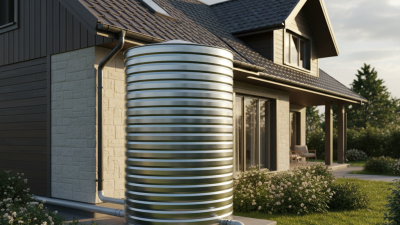
For household and community rainwater harvesting, a closed galvanized tank helps protect stored water from sunlight and debris. A food-grade liner is important when the water will support drinking or cooking. Agricultural users often choose larger tanks for irrigation, livestock, and emergency reserve.

Industrial sites may need tanks for process water, cooling systems, or treated wastewater. Firewater tanks require stable foundations, clear access, and dependable level monitoring. Not every galvanized tank suits every liquid.

Experienced buyers should check steel thickness, zinc coating, liner material, wind loads, and local installation rules. Ask for drawings, material records, leak-test procedures, and maintenance guidance before payment. A site with salty air may need extra corrosion protection and more frequent inspections. Field experience shows that low prices can hide costly foundation or fitting problems. Even careful specifications may miss local soil conditions. Allow space for drainage, cleaning, and safe access around the tank.

Installation, Maintenance, Safety, and International Buying Factors

2026 Top Galvanized Water Tanks for Global Buyers

Installation quality often determines a galvanized tank’s service life. Select firm, level ground with reliable drainage and safe access. A reinforced concrete base should carry the full tank weight when filled. Check panel alignment before tightening every bolt. Uneven pressure can damage seals and create leaks. Keep inlet, outlet, overflow, and drain lines clearly labeled. Leave working space around valves and inspection covers. In practice, site plans are rarely perfect.

Maintenance should follow water quality, weather, and usage patterns. Inspect joints, flanges, ladders, and supports at regular intervals. Look for rust stains, loose fasteners, damaged coatings, or standing water. Clean sediment from the bottom before it becomes difficult to remove. Potable water tanks need hygienic cleaning procedures and suitable internal materials. Record inspection dates, cleaning work, and replaced components. These simple records improve accountability. I have seen small leaks grow because early warnings were ignored.

Safety requires controlled access and careful work around confined spaces. Never enter a tank without a documented risk assessment and trained supervision. Use suitable fall protection when inspecting roofs or elevated platforms. International buyers should confirm local standards, water-contact approvals, climate suitability, and seismic requirements. Compare material thickness, coating quality, delivery terms, spare parts, and warranty conditions. Import duties, port handling, and installation support can change the real cost. Translation errors also matter. Ask for drawings, load data, certificates, and maintenance instructions in clear technical language. A cheaper tank may demand more local labor than expected.

2026 Top Galvanized Water Tanks for Global Buyers - Installation, Maintenance, Safety, and International Buying Factors
Tank Type Typical Capacity Range Common Applications Construction and Coating Typical Installation Requirements Maintenance Recommendations Safety and Water-Quality Considerations International Buying Factors
Bolted Sectional Galvanized Steel Tank 10 m³–5,000 m³ Municipal storage, industrial process water, fire-water reserves, agricultural irrigation, and commercial buildings Factory-fabricated galvanized steel panels assembled with bolts, gaskets, roof components, and internal or external ladders where required Requires a level reinforced-concrete foundation, accurate panel alignment, sealed joints, lifting equipment, and qualified assembly personnel Inspect bolts, gaskets, roof vents, ladders, and overflow lines at least annually; remove sediment according to local water-quality conditions Use materials and internal linings suitable for the intended water. Potable-water use requires applicable local or destination-market approval. Provide overflow, drain, vent, access cover, and safe fall protection Confirm panel dimensions, packing method, container loading plan, corrosion-protection details, spare gaskets, installation manuals, warranty terms, and destination-country documentation
Galvanized Pressed-Panel Tank 1 m³–500 m³ Schools, hospitals, residential developments, factories, hotels, and rooftop or ground-level utility storage Pressed or molded steel panels with a zinc coating applied for corrosion resistance; panel thickness and coating mass vary by design Needs a properly engineered base, perimeter support, sealed panel joints, access clearance, and protection from impact during handling Check for leakage, loose fasteners, damaged seals, coating scratches, blocked vents, and corrosion around cut edges or accessories Avoid contact with incompatible chemicals and standing debris. Keep access covers closed to prevent contamination, insects, and foreign objects Compare effective storage volume, panel thickness, zinc-coating specification, accessory materials, customs classification, delivery terms, and local labor costs
Hot-Dip Galvanized Corrugated Tank 20 m³–2,000 m³ Rural water supply, livestock operations, irrigation, fire protection, mining support, and remote infrastructure Corrugated steel shell with a hot-dip galvanized zinc coating. Corrugation improves panel stiffness while retaining modular assembly Requires a stable foundation designed for full water weight, wind and seismic conditions, secure roof installation, and suitable pipe penetrations Inspect the roof, shell, foundation edge, drainage area, and pipe connections. Repair exposed steel or damaged coating using a compatible approved method Calculate hydrostatic pressure, wind load, snow load, and seismic demand where applicable. Use guarded ladders and lockable access points Verify engineering calculations, regional design loads, corrosion environment, replacement-panel availability, packaging durability, and installation supervision
Galvanized Steel Fire-Water Storage Tank 50 m³–5,000 m³ Fire sprinkler systems, hydrant networks, warehouses, factories, logistics facilities, and high-risk commercial sites Galvanized steel tank designed for dedicated fire-water storage, usually supplied with roof, suction outlet, overflow, drain, and inspection access Must be installed on an engineered foundation with correctly sized suction, inlet, overflow, drain, and fire-pump connections; local fire authority review may apply Follow the applicable fire-protection inspection schedule. Check water level, valves, pump connections, corrosion, sediment, and alarm interfaces Keep the tank dedicated to fire protection unless the approved design permits another use. Protect against freezing, unauthorized access, contamination, and accidental valve closure Confirm compliance with destination-market fire codes, hydraulic requirements, inspection rules, nozzle sizes, flange standards, spare parts, and commissioning support
Galvanized Roof Water Collection Tank 1 m³–100 m³ Rainwater harvesting, landscape irrigation, toilet flushing, livestock use, and non-potable building services Galvanized steel body with a screened inlet, overflow, drain, and optional first-flush diverter or internal liner Install on a firm, level base with sufficient clearance for cleaning. Connect roof drainage using screened, appropriately sized pipework Clean gutters and screens regularly; remove sediment and inspect the tank after severe weather or long periods without use Rainwater is not automatically potable. Use separate, clearly labeled pipework and treatment equipment where drinking water is intended Check climate suitability, local plumbing rules, water-use classification, UV and weather exposure, inlet-screen size, overflow routing, and shipping volume
Galvanized Stainless-Fitting Hybrid Tank 5 m³–1,000 m³ Industrial utilities, agricultural facilities, process-water buffering, and sites requiring improved resistance at valves and connections Galvanized steel panels or shell combined with stainless-steel or corrosion-resistant fittings selected for the operating environment Requires compatible gaskets, correct isolation between dissimilar metals where necessary, precise pipe alignment, and an engineered foundation Inspect connection points for galvanic corrosion, leakage, gasket aging, coating damage, and buildup around inlets and outlets Confirm chemical compatibility, water temperature, pH, chloride exposure, and the suitability of all wetted components for the intended service Compare total landed cost rather than tank price alone, including fittings, import duties, technical drawings, installation tools, certificates, and spare parts
Insulated Galvanized Panel Tank 10 m³–1,000 m³ Cold-climate water storage, temperature-sensitive process water, rooftop utilities, and facilities exposed to large temperature changes Galvanized steel tank with external insulation and protective cladding; insulation type and thickness should match the climate and service temperature Requires a level foundation, protected insulation joints, adequate ventilation, condensation control, and weather-resistant flashing around penetrations Inspect cladding, seals, roof vents, insulation condition, condensation, and areas where water may enter behind the protective layer Provide freeze protection where necessary. Insulation does not replace hygienic design, water treatment, or safe access and fall-prevention measures Request thermal specifications, fire classification of insulation, climate-load calculations, packaging details, local code documents, and replacement-cladding availability
Large-Capacity Galvanized Reservoir Tank 500 m³–10,000 m³ or more Regional water distribution, mining, power generation, emergency reserves, large-scale irrigation, and industrial campuses Heavy-duty galvanized steel panels or shell with engineered roof, internal components, access systems, and multiple process connections Requires site-specific structural engineering, geotechnical review, reinforced foundation design, lifting equipment, staged filling tests, and professional commissioning Establish a documented inspection plan for structure, coating, roof, settlement, valves, sediment, vents, and emergency overflow performance Design for full hydrostatic load, wind, seismic activity, snow, temperature, overflow capacity, confined-space risks, and controlled access Evaluate project schedule, port and inland transport limits, modular dimensions, local fabrication capability, engineering responsibility, inspection records, insurance, and after-sales technical support
Buyer checklist: Before ordering, confirm the required working volume, water type, foundation conditions, design loads, connection standards, coating or lining specification, applicable potable-water or fire-safety approvals, delivery terms, installation scope, inspection documents, and long-term spare-parts availability.