Best Galvanized Steel Tanks for Global Buyers in 2026?
In recent years, the demand for Galvanized Steel Tanks has surged globally. According to a report by Technavio, the global galvanized steel market is expected to grow by 4% annually from 2022 to 2026. This growth highlights a shifting focus towards durable and corrosion-resistant storage solutions.
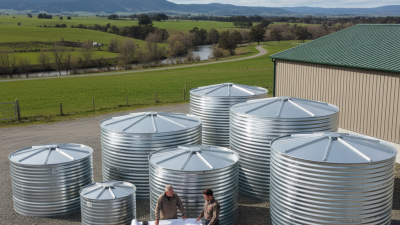
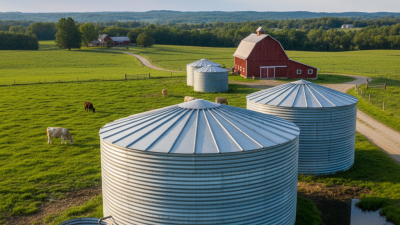
Galvanized Steel Tanks are essential in numerous industries, including agriculture, water treatment, and construction. These tanks offer superior longevity and reliability compared to traditional materials. However, choosing the right tank can be challenging. Different requirements exist based on usage, size, and environmental conditions.
As sustainable practices gain importance, buyers need to reflect on their specific needs. The market is populated with various manufacturers, each claiming high quality. Thus, it's crucial for global buyers to evaluate products carefully. In 2026, the right choice can lead to long-term benefits and minimize maintenance costs.
Overview of Galvanized Steel Tanks and Their Applications
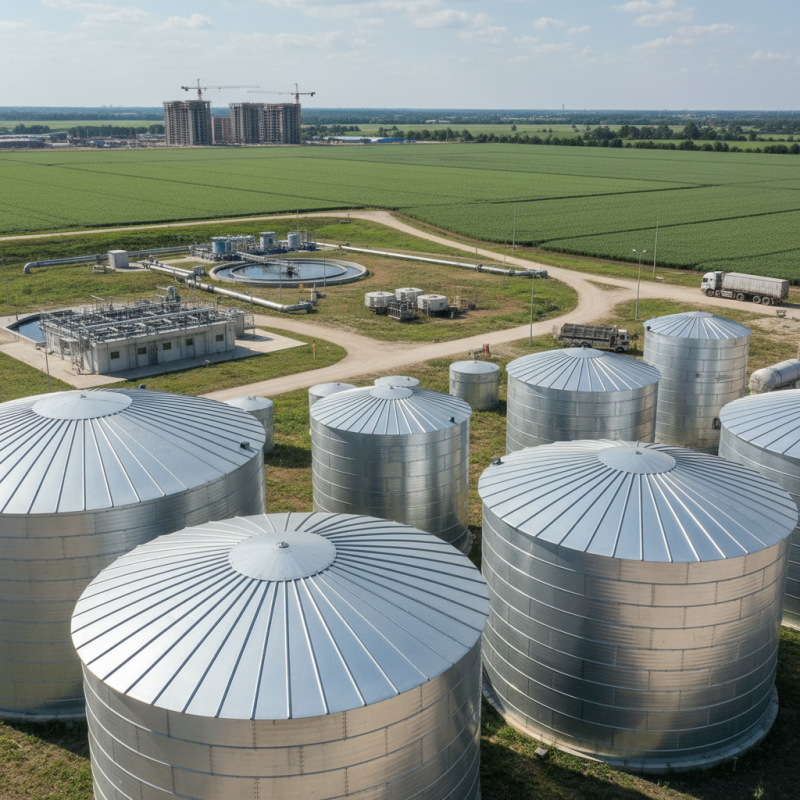
Galvanized steel tanks have become increasingly popular in various industries. Their durability and resistance to corrosion make them an ideal choice for storing liquids. According to a recent industry report, the global galvanized steel tank market is projected to reach $1.5 billion by 2026. This rise is largely driven by the agricultural sector and water treatment facilities.
These tanks are versatile. They find applications in agriculture for irrigation and livestock watering. In industrial settings, they often store chemicals and raw materials. The tanks can also be found in municipal water systems, enhancing infrastructure reliability. Data shows that over 40% of galvanized tanks are employed in water storage, highlighting their critical role.
However, challenges remain. The production process can lead to environmental concerns if not managed responsibly. Additionally, some tanks exhibit performance issues under extreme temperatures. These imperfections require manufacturers and users to implement better design standards. Regular maintenance is key to maximizing longevity. As the industry evolves, continuous improvement in tank design and sustainability will be essential.
Best Galvanized Steel Tanks for Global Buyers in 2026
| Tank Size (Gallons) |
Corrosion Resistance |
Applications |
Durability (Years) |
Cost ($) |
| 500 |
High |
Water Storage |
20 |
1500 |
| 1000 |
Medium |
Farm Irrigation |
15 |
2500 |
| 1500 |
High |
Industrial Use |
25 |
4000 |
| 2000 |
Medium |
Fire Protection |
18 |
3500 |
| 5000 |
High |
Wastewater Treatment |
30 |
7000 |
Key Features and Benefits of Galvanized Steel Tanks
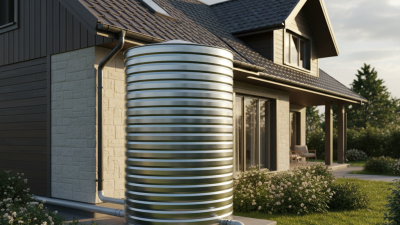
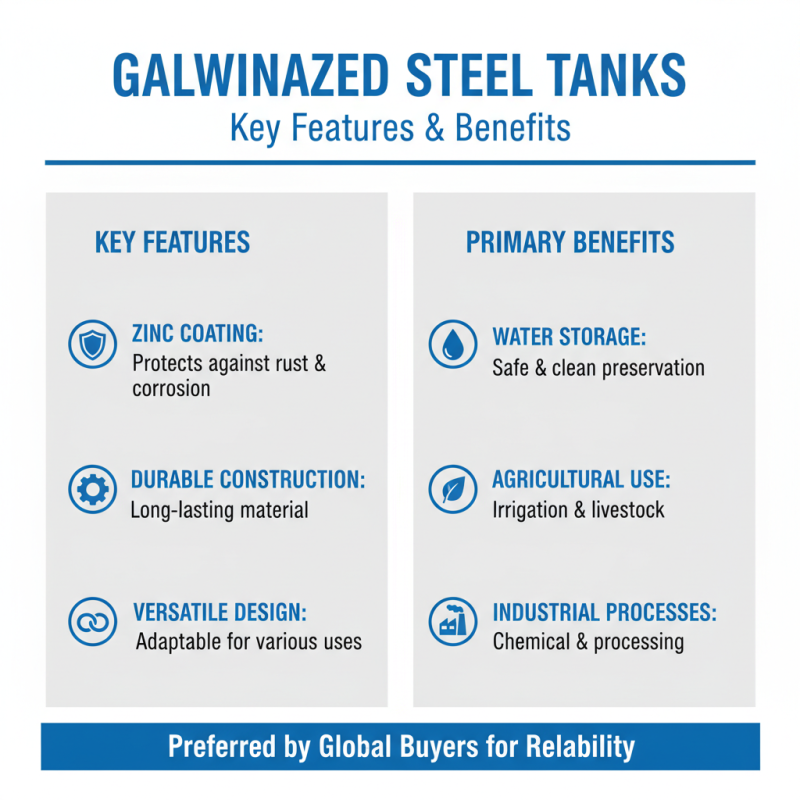
Galvanized steel tanks are gaining popularity among global buyers for their durability and versatility. These tanks are coated with a protective layer of zinc, which prevents rust and corrosion. This feature makes them ideal for various applications, including water storage, agricultural use, and industrial processes.
One of the significant benefits of galvanized steel tanks is their long lifespan. They can withstand harsh weather conditions, making them reliable in diverse environments. Additionally, their lightweight nature allows for easy installation and transportation. The tanks come in various sizes, accommodating different storage needs.
Tips for consideration: Always assess the specific demands of your project before purchasing. Inspect the tank for any signs of damage or wear upon delivery. Regular maintenance can extend the life of your tank but may require careful planning. Some users report minor rust spots over time. Ensure that the benefits outweigh the initial costs in your decision-making process. Making informed choices will lead to better performance and satisfaction.
Market Trends and Innovations in Galvanized Steel Tanks for 2026
In 2026, the galvanized steel tank market will see notable trends and innovations. Manufacturers are focusing on enhancing durability and corrosion resistance. New coating techniques are emerging to extend the lifespan of these tanks. This shift addresses long-term maintenance costs that many buyers encounter.
Sustainability is also a key focus. There is increasing pressure to use eco-friendly materials. Some manufacturers are exploring recyclable options to meet consumer demand. Advanced manufacturing processes are being implemented to reduce waste. However, challenges remain in balancing quality and environmental impact.
Buyers should be aware of tech integration in these tanks. Smart systems monitor levels and conditions in real-time. While this offers convenience, reliability concerns may arise. Customers often feel uncertain about data security. Ensuring robust protection is essential for gaining trust.
Market Trends in Galvanized Steel Tanks for 2026
Leading Manufacturers of Galvanized Steel Tanks Worldwide
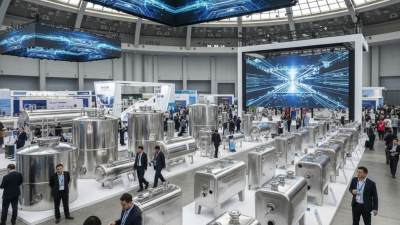
In the evolving market of galvanized steel tanks, global buyers are seeking reliable manufacturers. The quality and durability of these tanks are crucial. As industries expand, the demand for robust tank solutions continues to grow. Manufacturers must maintain high standards to meet customer expectations.
Several companies are emerging as leaders in galvanized steel tank production. They focus on innovation and sustainability. These manufacturers emphasize eco-friendly processes, ensuring their products are not only efficient but also environmentally responsible. Buyers appreciate this commitment, seeing it as a reflection of quality.
Despite the progress, challenges remain. Some manufacturers struggle with supply chain issues. Others face difficulties in maintaining consistent quality. It's vital for buyers to conduct thorough research. They should assess each manufacturer for reliability and expertise. This diligence helps ensure that they select the best options available in the market.
Criteria for Selecting the Best Galvanized Steel Tanks for Buyers
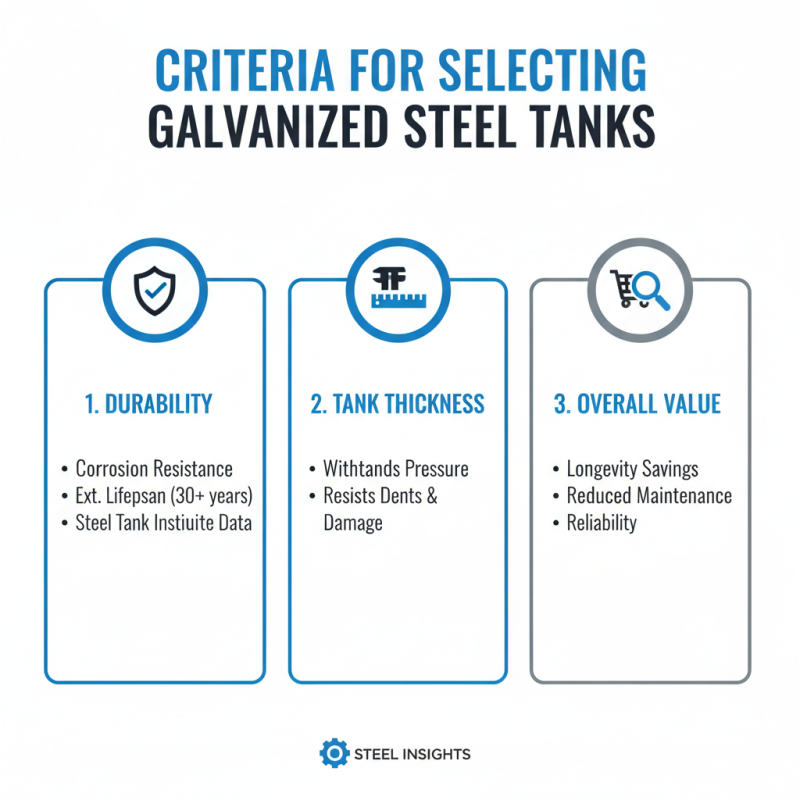
When selecting the best galvanized steel tanks, certain criteria stand out. Durability is crucial. Galvanized steel offers corrosion resistance, extending the tank's lifespan significantly. According to a report by the Steel Tank Institute, properly maintained tanks can last over 30 years in most environments. Buyers should also consider tank thickness. A thicker steel withstands pressure better and resists denting and damage.
Quality certification plays a key role in the selection process. Look for tanks compliant with international standards, such as ASTM and ISO. These certifications ensure the tanks meet rigorous safety and quality benchmarks. According to a survey by IBISWorld, 75% of industry buyers prioritize certified products to mitigate risks and ensure performance reliability.
Tips: Always inspect welds and joints. Poor workmanship can lead to leaks and failures. Ask for maintenance records. Knowing how previous owners cared for the tank helps gauge its reliability. Remember, investing in higher quality might prevent costly repairs down the line. Consider consulting a specialist for tailored advice. This ensures you make a choice that meets your specific needs and expectations.