Choosing a Fire Water Storage Tank is not a small purchasing decision. The tank may stand outdoors for decades, yet its value is tested during a few critical minutes. Buyers need to consider capacity, material, climate, installation, and maintenance—not just the quoted price. A polished brochure is useful, but it cannot replace clear engineering documents and practical answers from the supplier.
China has a broad group of manufacturers serving industrial, commercial, and infrastructure projects. This guide introduces ten companies for buyers to research, rather than treating any ranking as a final verdict. Company capabilities can change, and a manufacturer’s suitability depends on the project. That detail matters. A supplier experienced with bolted steel tanks may not be the best fit for every site or specification.
Look closely at tank construction, corrosion protection, quality-control procedures, and support after delivery. Ask how the company handles site conditions, access limits, and installation planning. Request relevant project references and confirm that stated capacities and design details match your requirements. Small omissions can become expensive later. A site visit or direct technical discussion may reveal more than a long product list.
This comparison is a starting point, not a substitute for project-specific review. Even experienced buyers can miss a detail. Use the profiles that follow to build a shortlist, compare evidence, and ask sharper questions before making a commitment.
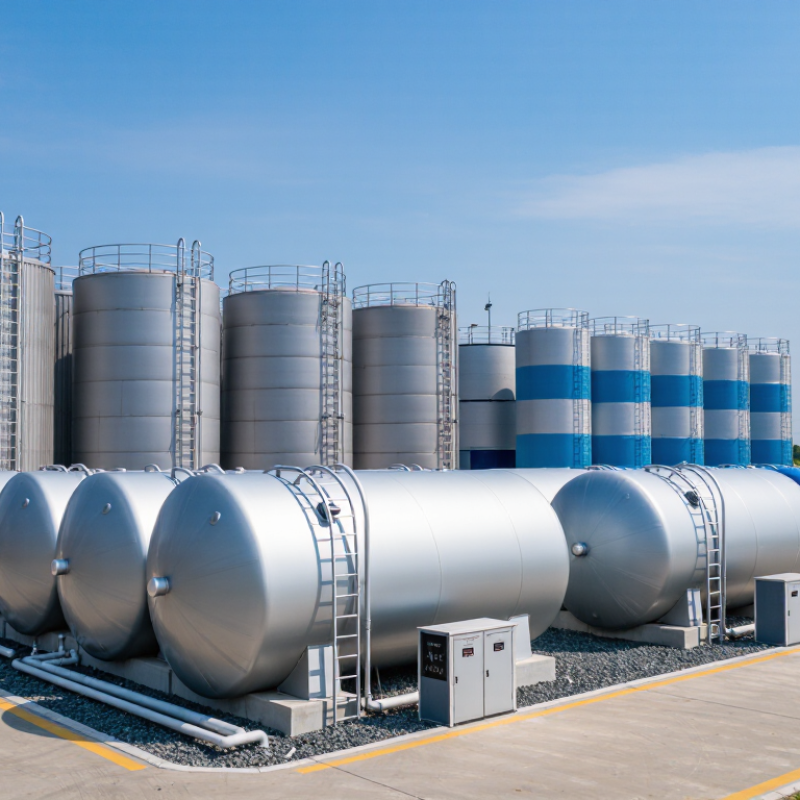
A fire water storage tank holds a dedicated water supply for sprinklers, hydrants, or fire hose systems. It works with a fire pump, control valves, and distribution pipes. When a sprinkler activates, pressure changes in the pipe network. The pump then draws water from the tank and sends it toward the fire area. NFPA 22 explains that tank capacity must match the system’s calculated flow and required operating duration. A fixed tank size is not suitable for every building.
The tank may be installed above ground, underground, or inside a protected room. Its design should consider usable volume, freezing risk, corrosion, access, and inspection space. NFPA’s Structure Fires report found that sprinklers operated in 92% of reported structure fires where sprinklers were present and should have operated. However, water is useful only when it arrives with enough pressure and flow. A poorly sized tank can create false confidence. That mistake is easy to overlook.
China Top 10 Fire Water Storage Tank Manufacturers?
Types of Fire Water Storage Tanks Used in China
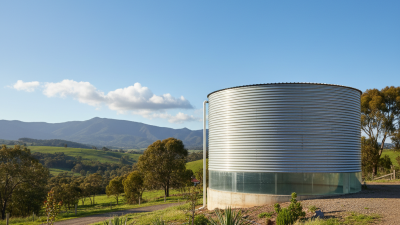
China’s fire-water projects commonly use sectional steel, welded steel, reinforced-concrete, and underground tanks. Sectional steel tanks arrive in panels, so installation suits factories, warehouses, and high-density urban sites. Welded steel tanks provide strong structural continuity, but field coating quality deserves close inspection. Small defects can become serious corrosion points.
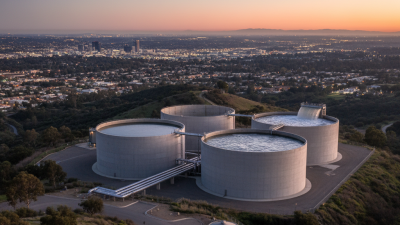
Reinforced-concrete tanks remain practical for underground reservoirs and large industrial facilities. They resist sunlight and temperature changes, although cracks may develop from settlement or poor waterproofing. Fiberglass-reinforced plastic tanks are lighter and resist corrosion, but they require careful support design. A flexible material is not automatically a safer material.
China’s GB 50974 standard and NFPA 22:2023 both emphasize reliable water availability, access, and inspection. NFPA 22 also addresses tank capacity, structural design, and protection against freezing. According to MarketsandMarkets’ 2024 Fire Protection Systems report, the global market was projected to grow from about 85 billion US dollars in 2023 to more than 119 billion by 2028. That growth increases demand for properly engineered storage, not merely larger tanks. Selection should match fire-flow calculations, pumping duration, seismic conditions, and local climate. Designers often overlook maintenance access. It is an expensive mistake. A tank that cannot be inspected easily may fail operationally, even when its nominal capacity looks sufficient.
Assessing a fire water tank manufacturer in China requires more than comparing prices. The NFPA report Fire Loss in the United States During 2022 recorded 1,504,500 fires and approximately 18.1 billion dollars in property damage. These figures show why water storage reliability deserves engineering attention. Check whether the manufacturer designs tanks against GB 50974, GB 50016, and applicable NFPA 22 requirements.
Request drawings showing effective volume, reserve volume, inlet dimensions, overflow capacity, and drain arrangements. A competent supplier should explain seismic loads, wind pressure, snow loads, and local temperature conditions. Ask for steel mill certificates, weld procedure records, coating specifications, and inspection results. Details matter. A missing document can delay approval.
Factory evidence is equally important. Review welding areas, coating rooms, calibration records, and finished-tank inspections through an independent auditor. Hydrostatic testing should have clear pressure, duration, and acceptance records. For sectional tanks, inspect gasket compression and bolt torque control. For steel tanks, examine internal coating continuity and corrosion allowances. FM Global Data Sheet 3-26 also emphasizes reliable water supplies, inspection access, and protection against environmental damage. Do not accept photographs as proof of production capacity. Visit a completed installation when possible. My own assessment would remain cautious if a supplier promises unusually short delivery without a documented material plan. Certificates can look convincing. Traceability is harder to fake. Ask how defects are recorded, corrected, and prevented on the next tank.
China’s leading fire water storage tank manufacturers are competing through capacity, compliance, and delivery reliability. This review focuses on ten major suppliers serving factories, warehouses, hospitals, and high-rise projects. Grand View Research reported that the global fire protection systems market reached about USD 72.5 billion in 2023. Demand is also supported by stricter building safety requirements and industrial expansion.
A dependable manufacturer should provide tanks designed around project flow rates, storage duration, seismic conditions, and available installation space. Common solutions include sectional steel tanks, hot-dip galvanized tanks, stainless steel tanks, and bolted panel systems. The tank plate, gasket, internal coating, ladder, access hatch, and overflow arrangement all require inspection.
Small details matter. A poorly sealed joint can create costly maintenance problems.
China’s top ten manufacturers should also demonstrate traceable material certificates, pressure or leakage testing, welding quality control, and experience with standards such as GB 50016 and GB 50974. International projects may require NFPA-based hydraulic design or insurer-specific requirements. The Global Fire Protection Systems Market report by MarketsandMarkets identifies commercial and industrial facilities as major demand sectors, but market reports rarely measure after-sales performance.
That is a weakness. Buyers should check factory records, installation photos, test documents, and response times before ranking suppliers. Price alone is an unreliable indicator, especially when tank foundations, corrosion protection, and replacement parts are excluded.
Choosing among China’s fire-water tank manufacturers starts with evidence, not catalogue capacity. Ask for hydraulic calculations showing required flow, duration, dead volume, and minimum suction level. A “1,000 m³” label alone may conceal unusable capacity. NFPA 22 sets requirements for tanks used in private fire protection. Request compliance records, design drawings, material certificates, welding procedures, and hydrostatic test results. Small details matter: nozzle elevations, ladder access, overflow routing, and coating repair instructions.
Check whether the supplier can engineer for site conditions, not merely ship a tank shell. Wind and seismic loads, soil bearing capacity, temperature range, corrosion exposure, and crane access all affect the design. Ask how inspections and maintenance are handled after handover. Confirm that replacement parts and repair support are available locally. A low quote may omit foundations, insulation, or commissioning. That is where comparisons get muddy.
Reliability deserves weight. NFPA’s 2017 U.S. Experience with Sprinklers report found that sprinklers operated in 92% of fires where systems were present and conditions were sufficient to activate them. They were effective in 96% of cases when they operated. These figures measure sprinkler performance, not tank performance, but they show why dependable water supply matters. Review factory quality records, independent inspection options, and delivery schedules. A polished brochure is not proof. Even detailed records cannot remove every site risk, so have an engineer verify key assumptions before ordering.