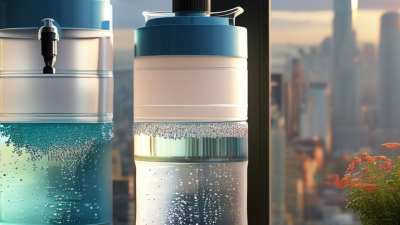
Essential Tips for Choosing Garden Water Storage Tanks?
Choosing the right Garden Water Storage Tanks is crucial for sustainable gardening. Experts recommend careful consideration to maximize efficiency. John Green, a renowned horticulturist, once stated, “A well-chosen water tank can transform your garden’s ecosystem.”
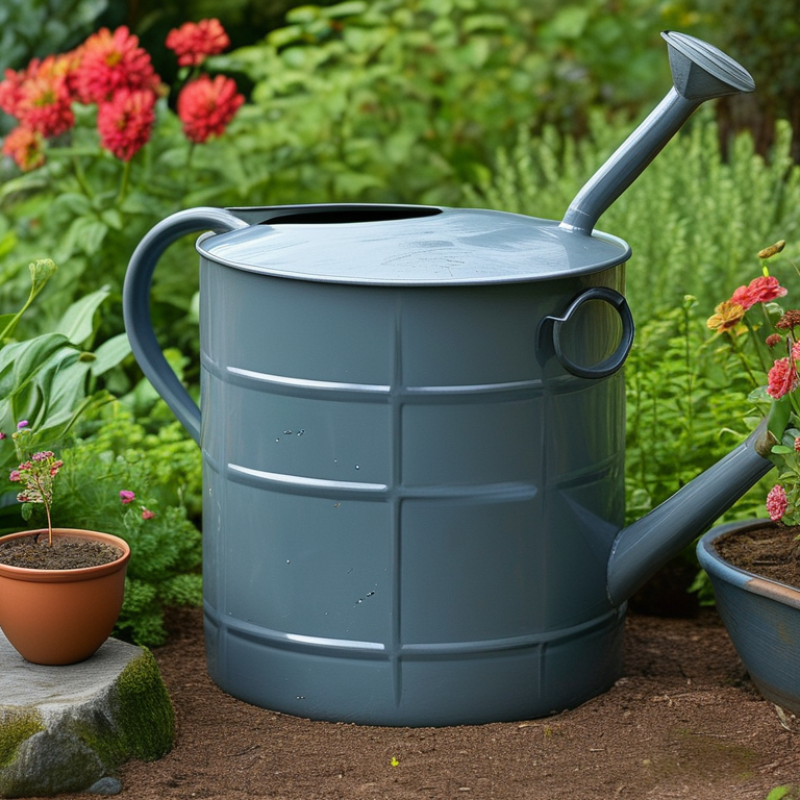
When selecting a Garden Water Storage Tank, think about size and material. Your choice affects water quality and storage capacity. A plastic tank may be lightweight, but metal provides durability. Reflect on your garden's specific needs.
Consider the placement and accessibility of your tank. An inconvenient location could lead to neglect. While large tanks hold more water, they require more space. Strive for a balance between capacity and area. Remember, a tank that fails to meet your needs is more of a hurdle than a help.
Factors to Consider When Selecting Garden Water Storage Tanks
When selecting garden water storage tanks, there are several important factors to consider. First, assess the tank's material. Common options include plastic, fiberglass, and metal. Each material comes with benefits and drawbacks, affecting longevity and maintenance. For instance, plastic tanks are lightweight and resist corrosion, but they may deteriorate under UV exposure over time, leading to leaks.
Capacity is another critical factor. Consider the size of your garden and annual rainfall. A report from the Irrigation Association suggests a capacity of at least 200 gallons for average home gardens. This ensures you have sufficient water for dry spells. It's also wise to evaluate the tank's design. Some tanks come with filters or pumps, but these features can complicate maintenance.
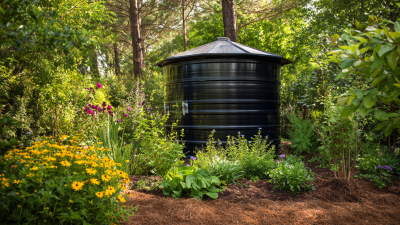
Evaluate placement options as well. Tanks should ideally be placed on a flat surface, away from direct sunlight. This setup minimizes algae growth and ensures structural stability. Reflect on the overall aesthetics, as well. A tank that blends into your garden's design is more appealing. Ensure it fits well with existing structures, but don't overlook function. Reliability and ease of access are paramount to ensure daily use.
Essential Tips for Choosing Garden Water Storage Tanks
Different Types of Garden Water Storage Tanks and Their Uses
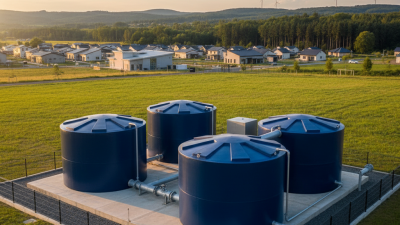
When considering garden water storage tanks, it's important to understand the different types available. Rainwater harvesting tanks are a popular choice. These typically collect rainwater from roofs and can hold significant amounts of water. They help reduce water bills and are great for garden irrigation. Another option is underground tanks, which save space above ground. These tanks are often chosen for aesthetics, keeping gardens neat and tidy.
There are also above-ground tanks, which are easy to install and maintain. These come in various materials, such as plastic, metal, and fiberglass. Each material has unique benefits. Plastic tanks are lightweight and resistant to rust. Metal tanks can last longer but may require more maintenance. Understanding these options helps in making an informed decision. It’s crucial to consider factors like local climate and garden size when choosing a tank. Each choice has implications for water quality and ease of use, demanding careful reflection on what's best for your gardening needs.
How to Assess the Size and Capacity Requirements for Your Garden
When assessing garden water storage tanks, size and capacity are crucial factors. A typical garden requires about 0.623 gallons of water per square foot per week. For a 500 square foot garden, that totals approximately 311.5 gallons weekly. Estimating your needs can help you select an appropriate tank size.
Consider rainfall patterns and seasonal changes. In regions receiving 30 inches of rain a year, rainwater harvesting can supplement garden needs. A tank with a capacity of 1,000-2,000 liters can capture significant runoff. Code regulations often dictate installation requirements, necessitating proper evaluation of space and access.
Reflect on your watering methods, too. Drip irrigation systems can reduce overall water usage. Thus, understanding your garden’s unique demands is essential. Assess how often you water; this shapes your tank decision. Are your current systems meeting your needs effectively? The right size tank can enhance sustainability. This process requires thoughtful consideration and perhaps adjustments along the way.
Material Options for Garden Water Storage Tanks: Pros and Cons
When selecting a garden water storage tank, the material you choose plays a crucial role in performance and durability. Plastic tanks are lightweight and cost-effective. They resist corrosion, making them a popular choice for homeowners. However, they may degrade under prolonged sun exposure. Over time, this can lead to leaks and reduced effectiveness.
Metal tanks, like steel, are another option. They offer robustness and can last longer than plastic variants. However, they can be prone to rust if not properly maintained. This means regular inspections are necessary to prevent deterioration. While metal tanks may handle extremes better, they usually come with a higher price tag.
Concrete tanks provide a permanent solution. They are resistant to UV rays and severe weather. Yet, their weight makes installation challenging and costly. Moreover, potential cracking can occur, needing repair. Each material has its strengths and weaknesses. It’s vital to assess your garden's specific needs and conditions before making a choice. This decision can significantly affect your gardening success and water conservation efforts.
Maintenance Tips for Ensuring Longevity of Water Storage Tanks
Choosing the right garden water storage tank is crucial for ensuring effective irrigation and water conservation. However, selecting a tank is only part of the equation. Maintenance plays an equally significant role in extending the lifespan of your water storage system. According to a report by the American Society of Agricultural and Biological Engineers (ASABE), regular maintenance can increase a tank's lifespan by 15-20%.
One of the key maintenance tasks is occasional inspection for leaks and damages. A small fissure can lead to significant water loss. It's advisable to check the tank's walls and joints monthly. Clean any debris or algae that may accumulate. Algae growth not only affects the water quality but also the structural integrity of the tank. When algae are present, replacing or cleaning can prevent bigger issues later on.
Consider regular water testing. This helps to ensure that the water remains safe for use. Contaminated water can harm plants and compromise irrigation systems. Also, ensure the tank is adequately covered. This minimizes evaporation and prevents debris from entering. Studies show that covering a tank can reduce water loss by up to 50%. Regular maintenance isn’t just about repairs; it’s about preventing future costs.