Essential Tips for Choosing Overhead Tanks Effectively?
Choosing the right overhead tanks is vital for both residential and commercial applications. According to a report by the Global Water Tank Industry Association, the demand for overhead tanks is projected to grow by 5% annually over the next five years. An industry expert, John Smith, states, "Selecting the correct overhead tank can significantly enhance water storage efficiency."
Understanding the specifics of overhead tanks can be daunting. Factors such as material, size, and location play crucial roles. Poor choices can lead to issues that affect water quality and accessibility. For instance, improper sizing might result in insufficient water supply during peak demand.
The complexities do not end there. Many overlook the importance of maintenance and inspection routines. These are essential for longevity and performance. Robust tanks require an investment of time and resources. Ignoring these aspects could lead to problematic outcomes, such as leaks or structural failures. Thus, thorough research and consultation with industry professionals can make a difference, guiding users to better options.
Key Factors to Consider When Selecting Overhead Tanks
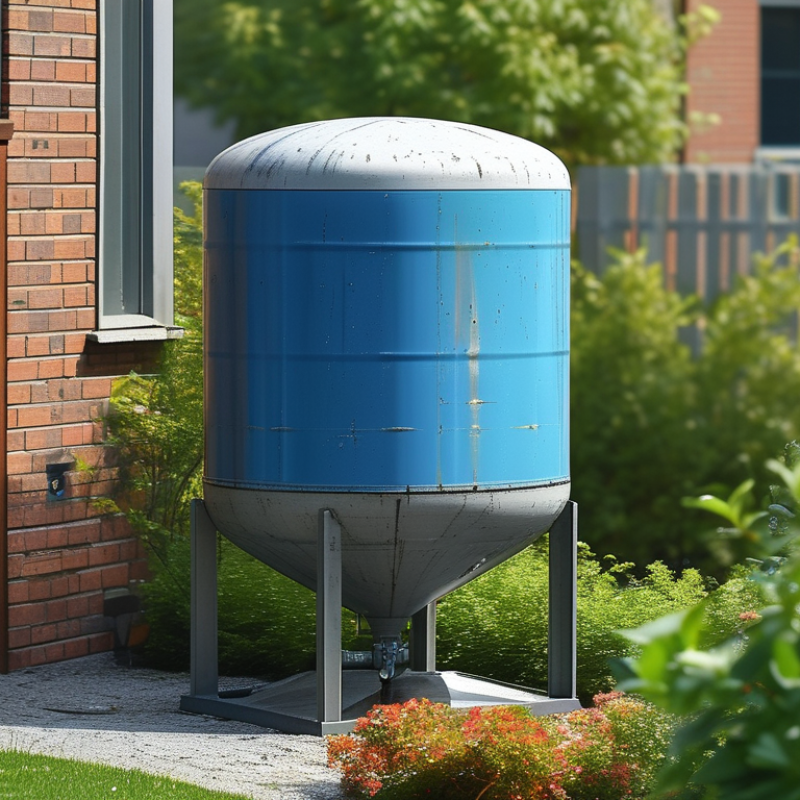
When selecting overhead tanks, several key factors come into play. Material choice is critical. Options include plastic, steel, and fiberglass. Each has its own strengths and weaknesses. For instance, a study from the Water Quality Association highlights that plastic tanks resist corrosion but may not handle extreme temperatures as well as steel tanks. Proper material selection can significantly impact the tank’s longevity and safety.
Tank capacity is another crucial aspect. According to a report from the American Water Works Association, improper sizing can lead to inefficiencies. Overestimating capacity can result in higher costs and underperformance. Tanks should match the specific water needs of a facility. Regular water demand assessments might be necessary to avoid wastage or shortages.
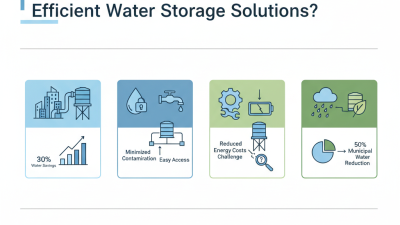
Additionally, installation and maintenance factors should not be overlooked. A well-placed tank can enhance water pressure distribution. However, many facilities neglect accessibility for maintenance, leading to costly repairs later. A survey indicated that nearly 30% of water storage issues stem from improper installation. Understanding these nuances ensures that overhead tanks serve their purpose effectively while minimizing future complications.
Essential Tips for Choosing Overhead Tanks Effectively
Types of Overhead Tanks and Their Unique Advantages
Overhead tanks come in various types, each with unique advantages.
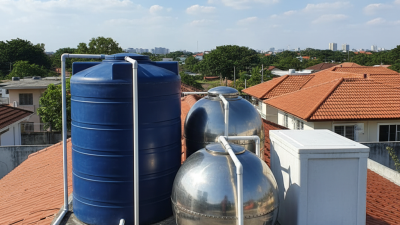
Concrete tanks are durable and can withstand extreme weather conditions.
They are often chosen for large capacity needs. According to industry studies, these tanks can last over 50 years with proper maintenance.
However, their weight makes installation labor-intensive.
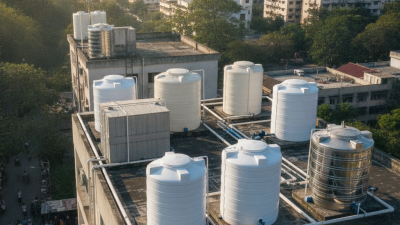
Plastic overhead tanks are lighter and easier to install.
Their resistance to corrosion is a significant advantage. Some reports indicate that plastic tanks have become increasingly popular, accounting for 35% of the market share in residential applications.
They are often used where space is limited. Yet, their lifespan may be shorter, typically around 15-20 years.
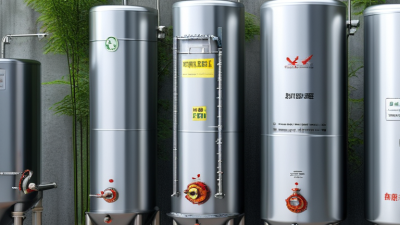
Metal tanks, such as steel or stainless steel, offer strength and can handle high pressure.
They are often selected for industrial uses. Experts suggest that these tanks are reliable for long-term storage under various conditions.
However, they might require regular maintenance to prevent rust and deterioration.
Balancing cost and longevity is essential for effective tank selection.
Material Options for Overhead Tanks: Pros and Cons
Selecting the right material for overhead tanks is crucial. The most common options are plastic, concrete, and metal. Each comes with its own benefits and drawbacks.
For instance, plastic tanks are lightweight and resistant to corrosion. However, they may not withstand extreme temperatures. Concrete tanks are robust and offer excellent durability. Yet, they can be quite heavy and expensive.
Metal tanks, often made from steel or aluminum, provide strength and long life. However, corrosion can be an issue, so proper coatings are needed. Additionally, the weight of metal can complicate installation. It’s vital to weigh these factors based on your specific needs and local climate.
When choosing an overhead tank, consider the installation environment. Ensure the chosen material can handle the local climate and site conditions. Think about the price balance—sometimes, spending less upfront may lead to higher maintenance costs later. It's also wise to consult with a professional if unsure. Their expertise can guide you in making a well-informed choice.
Sizing Your Overhead Tank: Calculating the Right Capacity
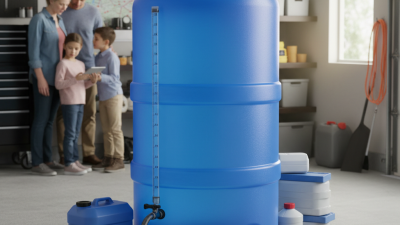
When sizing your overhead tank, understanding your water needs is crucial. Start by determining your daily water consumption. Take into account the number of residents, household activities, and any gardening or external requirements. A household of four may use around 300-400 liters daily. Make sure to factor in peak usage times, which can create spikes in demand.
Next, consider the tank's capacity. It should comfortably hold enough water for at least a day or two of use. A 1,000-liter tank could be adequate for many families. However, a larger tank might be necessary in areas with inconsistent water supply. It’s essential to also consider the water quality. Over time, unused water can stagnate and lead to issues. Regular maintenance checks should be a priority.
Reflect on the installation process. Ensure there is adequate space for the tank, and think about accessibility for future maintenance. It's easy to overlook these aspects, but they are vital for long-term sustainability. Inadequate planning can lead to frustration, especially when emergency access is required.
Maintenance Tips for Long-lasting Overhead Tanks
Overhead tanks are vital for water storage. Regular maintenance ensures they last longer and operate efficiently. To begin, check for leaks regularly. A small drip can lead to bigger issues. Promptly fixing leaks saves water and money. Inspect the tank’s exterior for cracks or rust. This helps prevent contamination of stored water.
Cleaning your tanks is essential. Sediment can build up over time. Schedule cleanings at least once a year. Use safe cleaning methods to avoid damaging the tank. Always rinse thoroughly after cleaning. This prevents leftover chemicals from mixing with the water supply.
Inspect the inlet and outlet valves often. They should not be blocked. A few minutes of inspection can prevent larger problems later. Keep vegetation away from the tank. This minimizes dirt and debris entering the system. Regular checks keep your overhead tank in optimal condition, leading to a reliable water source.