Choosing a Metal Water Tank in 2026 is about more than comparing prices or selecting a capacity. Picture a delivery truck arriving at a narrow driveway, with the tank still needing a stable base and clear access for maintenance. Those practical details can shape the choice as much as the product brochure does. A Metal Water Tank may suit a home, farm, or commercial site, but the best option depends on how water will be used and stored.
Start by estimating demand, checking available space, and considering local weather exposure. Then compare the steel type, protective coating, fittings, warranty, and maintenance requirements. For drinking water, verify that the tank’s materials and internal lining are intended for potable-water storage; suitability can vary by product and region. Ask the supplier for written specifications rather than relying on broad claims. It is easy to focus on capacity and overlook inlet position, overflow routing, or cleaning access. That can become inconvenient later. Installation also deserves careful attention: ground conditions, support requirements, and expected wind or snow loads may affect the setup. Consult qualified professionals when site conditions or structural questions are uncertain. A larger tank is not automatically a better investment, and a lower upfront price may leave important details unanswered. The right choice is the one that fits actual demand, site constraints, and a realistic maintenance plan. Some decisions still involve trade-offs; compare them before ordering.
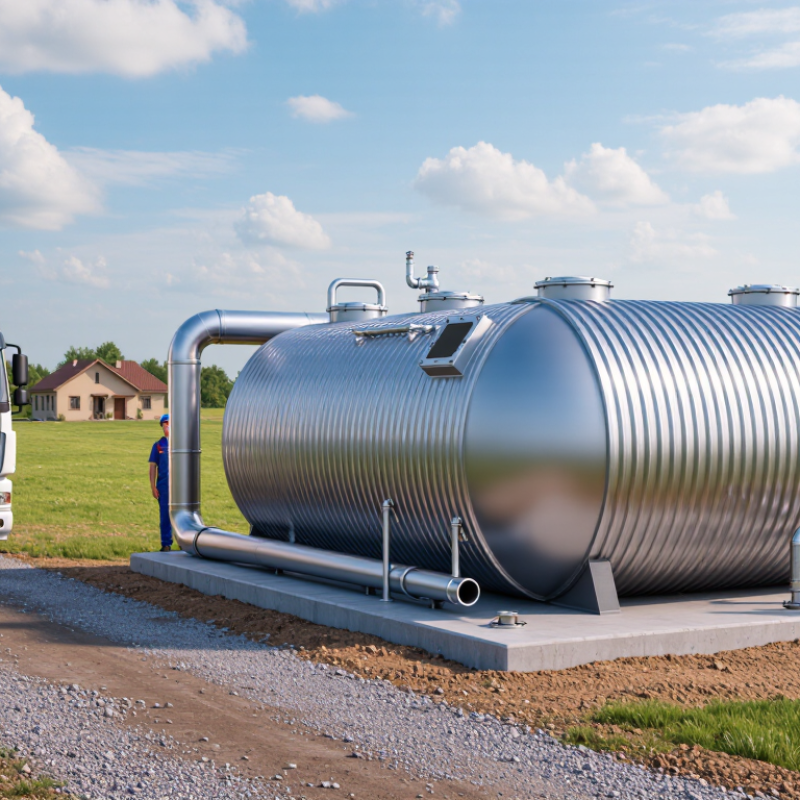
Before comparing steel thickness or shape, define what the tank must supply: drinking water, whole-house use, livestock, irrigation, or emergency reserve. Each purpose changes the needed volume and water-quality requirements. For drinking water, verify that the tank’s lining and fittings are suitable for potable-water contact. Irrigation storage may instead need easy sediment access and room for seasonal drawdown. Start with use.
Estimate daily demand, then multiply it by the days between reliable refills. Add allowance for peak use and water that remains below the outlet. The USGS’s 2015 water-use report estimated U.S. domestic withdrawals at about 82 gallons per person per day, or 310 liters. Treat that as a broad benchmark, not a household prescription. WHO’s 2003 domestic-water guidance gives 50–100 liters per person daily for basic needs, depending on service level and context. The gap matters. Indoor habits, leaks, climate, and garden watering can change demand substantially. I would not size a tank from one average; averages hide hard peaks. List household uses, irrigation hours, and likely outage days, then compare the estimate with a dry-season week. Keep sediment and maintenance space out of the usable-supply calculation.
Choosing a metal water tank starts with the water, not the price tag. Carbon steel is strong and widely used for large storage, but it needs effective lining and exterior protection. Stainless steel can resist corrosion without the same coating system, though its performance depends on the grade and water chemistry. Galvanized steel offers a protective zinc layer, but that layer can wear over time, especially around cuts, fittings, and joints. Small details matter.
The lining must suit the tank’s contents and operating conditions. Cement-based linings are common in some potable-water applications, while epoxy coatings may offer a smooth barrier when correctly applied and maintained. Ask for documentation showing the lining is suitable for the intended use, and check its temperature and chemical limits. A coating can look sound from the outside and still hide damage near a seam. That is easy to miss.
Corrosion protection works best as a system: surface preparation, lining, exterior coating, drainage, and routine inspection. Consider the site too. Coastal air, damp ground, and persistent condensation can attack exposed surfaces faster than expected. Look for accessible inspection points, repair guidance, and clear maintenance intervals. I would not choose by material name alone; water quality and installation conditions can change the answer. A modest inspection plan is often neglected, but it can catch blistering, rust stains, or coating damage before repairs become disruptive.
Compare common tank materials and protection approaches. Suitability depends on water chemistry, location, temperature, tank design, maintenance, and applicable drinking-water requirements.
| Metal Type | Corrosion Characteristics | Common Lining or Protection | Potential Advantages | Key Considerations |
|---|---|---|---|---|
| Carbon steel | Can rust when exposed to water and oxygen; corrosion rate varies with water chemistry, temperature, and operating conditions. | Internal protective lining, such as a suitable epoxy system or glass-fused coating; external paint or coating. Cathodic protection may be used for applicable immersed or buried designs. | Widely used for large tanks and can be fabricated in many sizes and configurations. | Coating selection, surface preparation, application, inspection, and repair are important. Damage to an internal lining can expose steel to corrosion. |
| Galvanized steel | A zinc coating provides a barrier and sacrificial protection to the underlying steel. Zinc consumption and performance depend on water conditions. | Factory-applied zinc coating; additional coatings or linings may be specified for particular service conditions. | Provides corrosion protection without requiring an applied lining in some suitable applications. | Water chemistry can affect zinc coating life. Confirm suitability for the intended water, temperature, and use; verify drinking-water compliance where applicable. |
| Stainless steel 304 | Forms a passive chromium-rich surface film. Chlorides can cause pitting or crevice corrosion, especially in stagnant or poorly aerated areas. | Often used without a full internal lining when the water and design are compatible; appropriate surface finishing and weld treatment may be needed. | Good general corrosion resistance in many environments and a cleanable metal surface. | Not immune to corrosion. Assess chloride concentration, crevices, welds, temperature, and cleaning chemicals before selection. |
| Stainless steel 316 | Contains molybdenum, which generally improves resistance to chloride-related pitting compared with 304; it is still susceptible under sufficiently aggressive conditions. | May be used without a full internal lining when water chemistry and design are suitable; weld and surface treatment still matter. | Often considered where chloride exposure is a concern relative to 304. | Higher alloy content does not guarantee suitability for every water chemistry. Check chloride levels, temperature, crevice conditions, and operating requirements. |
| Aluminum alloys | Usually form a protective oxide film, but performance can be affected by extreme pH, chlorides, deposits, and contact with dissimilar metals. | Alloy selection and design are central; compatible coatings or electrical isolation may be used where appropriate. | Lower density than steel and naturally forms a surface oxide. | Check water compatibility and galvanic-corrosion risk at connections, supports, and fittings made from other metals. |
| Protection Option | How It Works | Common Uses | Selection and Maintenance Notes |
|---|---|---|---|
| Epoxy lining | Creates a barrier between the stored water and the tank metal. | Commonly specified for steel tank interiors when a compatible lining is required. | Confirm suitability for the water and operating conditions. Surface preparation, application, curing, inspection, and repairs affect performance. For drinking water, verify applicable approval or certification for the exact product and use. |
| Glass-fused-to-steel coating | Fuses a glass coating to steel at high temperature to form a corrosion-resistant barrier. | Used on designed steel tank panels for water storage. | Coating integrity at edges, penetrations, and any repaired areas matters. Follow the tank designer's inspection and repair procedures. |
| Hot-dip galvanizing | Applies a zinc coating that provides both a barrier and sacrificial protection to steel. | Suitable steel components and tanks where the service environment is compatible with zinc. | Water chemistry can influence zinc loss and coating performance. Confirm the coating specification and suitability for potable-water service when relevant. |
| External protective coating | Separates the tank exterior from moisture, soil, or atmospheric exposure. | Above-ground outdoor tanks and other exposed steel surfaces. | Choose a system for the exposure environment. Inspect for damage and maintain the coating according to the specified schedule. |
| Cathodic protection | Uses sacrificial anodes or an impressed-current system to reduce corrosion of protected metal surfaces. | Applicable buried or immersed structures, often as part of a broader protection design. | Requires suitable engineering, electrical continuity, monitoring, and maintenance. It is not a substitute for a properly selected and maintained lining or coating. |
| Electrical isolation at dissimilar-metal connections | Reduces galvanic current by limiting electrical contact between dissimilar metals in a conductive environment. | Connections, supports, and fittings where different metals meet. | Isolation details must suit the mechanical and electrical design; inspect components and connections during maintenance. |
Important: There is no single best metal or lining for every tank. For drinking-water storage, verify that wetted materials and coatings meet the requirements of the applicable jurisdiction (for example, relevant drinking-water contact-material standards). Confirm water chemistry, site exposure, inspection access, and maintenance needs with a qualified tank designer.
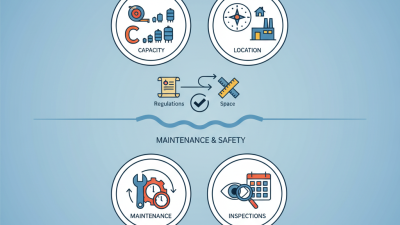
Choosing a metal water tank starts with a realistic capacity estimate. Add the water used each day by people, appliances, livestock, or irrigation. Multiply that figure by the number of days you want stored between refills. Then include a reserve for delivery delays or unexpected demand. For example, a household using 500 litres daily would need 2,000 litres for four days, before adding a reserve. Check whether the tank’s stated capacity is usable capacity; fittings and required air space can reduce the volume available.
Tank design should suit both the site and the water. A vertical tank saves ground space, but it needs a stable, level base and enough overhead clearance. A horizontal design may fit beneath a low roof, though it can take up more floor area. Measure access routes too. A tank that fits on a plan may not pass through a narrow gate. Consider the stored water’s intended use, local weather, maintenance access, and the manufacturer’s material and coating guidance. No calculation is perfect; demand can change with the season.
Tips: Sketch the tank footprint, inlet, outlet, and service space before ordering. Keep a little capacity in reserve, but avoid oversizing without a reason. Larger tanks can cost more and may hold water longer than necessary. Check support requirements with a qualified installer, especially for elevated or unusually large tanks.
Choosing a metal water tank in 2026 starts with the ground beneath it, not the catalog. Walk the proposed site after rain; soft soil, standing water, or a slope can affect foundation requirements. Measure access routes, including gates, overhead wires, and turning space for delivery vehicles. A tank that fits on paper may not reach the prepared pad. Check local wind, snow, and seismic design needs with a qualified installer or engineer. Conditions vary by location.
Plan installation around a level, properly designed base and clear access for inspection. Confirm that the tank’s materials and interior coating suit the stored water and expected temperature range. Leave room to reach valves, vents, and fittings without climbing over pipes. Maintenance is easier when leaks, corrosion, sediment, and roof or cover damage are visible. Capacity is easy to overestimate; compare expected use with reliable supply, and revisit the estimate if demand changes. That check can be inconvenient, but it may prevent an expensive mismatch.
Tips: Photograph the site, note nearby drainage, and keep the maintenance instructions. Ask who will inspect the tank and how often. Don’t guess about the foundation.
A metal water tank should be judged by more than its capacity or quoted price. Check which safety standards apply to its intended use, especially if it will store drinking water. Ask for current test reports and written confirmation that the lining, fittings, and tank materials suit that use. Requirements vary by location. Paperwork matters.
Look closely at the warranty’s exclusions. Does it cover corrosion, seams, coatings, labor, and replacement parts, or only the tank shell? Note the term, claim process, and maintenance conditions. A warranty may become limited if installation or water chemistry falls outside its stated requirements. Read the fine print before comparing offers.
Total cost of ownership includes delivery, lifting equipment, foundation work, installation, inspections, cleaning, and likely repairs. Ask how often the tank needs maintenance and what parts are expected to wear. Then compare costs over a realistic service period, not just the first year. Not just price. A detailed estimate can still miss site-specific expenses, such as difficult access for a crane. That uncertainty is worth discussing with the installer before signing.