Why Choose Fire Water Storage Tanks for Your Safety Needs?
In today's world, safety is paramount. The right equipment can make a significant difference in emergency situations. One essential tool is the Fire Water Storage Tank. These tanks provide a reliable source of water during fire emergencies. They are designed to ensure that you have immediate access to water when every second counts.
Understanding the benefits of a Fire Water Storage Tank is crucial. They are designed to meet safety regulations while being easy to maintain. Their durability ensures long-term use, but proper inspection is often overlooked. Routine checks can prevent unexpected issues. Recognizing the tank's capacity and placement can also enhance your safety plan.
However, it's important to address some misconceptions. Many believe that a Fire Water Storage Tank guarantees complete safety. While it significantly improves response times, it is not a standalone solution. A well-rounded safety strategy should include training and community preparedness. Balancing these elements creates a more robust defense against fire hazards.
Understanding Fire Water Storage Tanks and Their Importance
Fire water storage tanks play a crucial role in fire safety management. These tanks are essential for providing reliable water supply during emergencies. According to the National Fire Protection Association (NFPA), a well-designed fire water storage system can reduce fire-related losses by up to 35%. This is significant, considering that property loss from fires in the U.S. exceeded $14 billion in recent years.
Understanding the specifications of fire water storage tanks is vital. They must meet local regulations and be tailored to the specific needs of different facilities. The capacity often ranges from a few thousand gallons to several million. These tanks can be made from various materials, including steel and fiberglass, each offering unique benefits. Deciding which material suits a particular scenario may require careful consideration and industry expertise.
Despite the benefits, there are challenges. Installation costs can be high, and maintenance requires expertise. Ensuring reliable access to water is only part of the solution. Regular inspections and testing are essential. Research shows that 20% of fire water storage systems fail to meet standards due to neglect. Effective management is crucial for keeping safety resources reliable and ready when needed.
Why Choose Fire Water Storage Tanks for Your Safety Needs?
| Feature |
Description |
Benefits |
| Material |
Constructed from corrosion-resistant materials. |
Durable and long-lasting under extreme conditions. |
| Capacity |
Available in various sizes from a few hundred to several thousand gallons. |
Meets different safety and fire fighting needs. |
| Installation |
Can be easily installed above or below ground. |
Flexible installation options for various environments. |
| Regulatory Compliance |
Compliant with fire codes and regulations. |
Ensures safety and reduces liability risks. |
| Maintenance |
Low maintenance with periodic inspections recommended. |
Cost-effective in the long run. |
| Accessibility |
Easy access for firefighting crews. |
Quick water supply in emergencies. |
Key Benefits of Fire Water Storage Tanks for Safety and Compliance
Fire water storage tanks play a crucial role in enhancing safety. These tanks provide immediate access to water during a fire emergency. Having a reliable water source can save lives and protect property. Fire water storage tanks also meet local regulations, ensuring compliance for businesses and public facilities. This is essential for avoiding penalties and maintaining operational licenses.
In addition to compliance, these tanks offer a dedicated solution for fire response. They help mitigate damage before firefighters arrive, proving invaluable in emergencies. The tanks can be designed to suit various environments, whether urban or rural. This adaptability increases their utility across different settings.
When considering fire water storage tanks, it’s important to assess your specific needs. Evaluate the size and placement of the tank to maximize accessibility. Regular maintenance checks are crucial for ensuring reliability. Make sure to keep the water fresh and free from contaminants. Reflecting on past incidents can guide your choices, leading to better preparedness for future emergencies. Investing in an effective fire water storage system can significantly enhance overall safety and compliance.
Types of Fire Water Storage Tanks and Their Applications
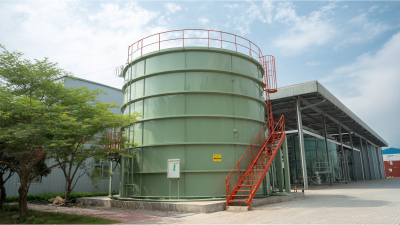
Fire water storage tanks play a crucial role in safety and fire protection. Understanding the types of these tanks helps in making informed decisions. There are several kinds, each suited for different applications. Aboveground tanks are popular for their ease of access. They have a larger capacity and are visible, making them ideal for fire departments.
Underground tanks are another option. They save space and help maintain water temperature. These tanks are less visible but require proper installation. Another type, portable tanks, are often used in remote areas. They can be easily moved and are crucial for emergency situations. Selecting the right type involves assessing location, space, and intended use.
Each type has its benefits and drawbacks. Aboveground tanks can be costly and may not fit all landscapes. Underground tanks require excavation, which can be labor-intensive. Portable tanks might lack the volume needed for large incidents. Understanding these factors ensures effective fire water storage and enhances safety measures. Reflecting on the choices available can lead to better preparedness.
Factors to Consider When Choosing Fire Water Storage Tanks
When selecting fire water storage tanks, several factors warrant careful consideration. The tank's material should be robust, capable of withstanding environmental stresses. Common options include steel and fiberglass, each with unique benefits. Steel offers durability, while fiberglass may provide better resistance to corrosion. Understanding these traits can aid in making an informed choice.
Capacity is another critical factor. Calculate your water needs based on potential fire scenarios. Ensure the tank can hold enough water for a sustained response. A tank that is too small can jeopardize safety. Additionally, accessibility is essential. Install the tank in a location that firefighters can easily access. Evaluate the surrounding environment to prevent obstacles during an emergency.
It’s also advisable to review local regulations regarding fire water storage. Compliance is necessary to avoid legal issues. Remember that regular maintenance of the tank cannot be overlooked. Conduct inspections to check for leaks or damage. This proactive approach helps maintain reliability in emergency situations. The choices made today can significantly impact safety tomorrow.
Maintenance and Inspection Best Practices for Fire Water Storage Tanks
Fire water storage tanks are crucial for safety in emergency situations. Regular maintenance and inspection are essential to ensure their reliability. Industry standards recommend inspections at least once a year. During these inspections, it's vital to check for cracks, leaks, and signs of corrosion. According to the National Fire Protection Association (NFPA), approximately 20% of fire systems fail due to improper maintenance.
When maintaining fire water storage tanks, attention to detail is paramount. Cleaning the tanks regularly helps prevent sediment buildup. Sediment can hinder water quality and reduce pressure during emergencies. Inspecting the fittings, valves, and piping systems is equally important. Research shows that nearly 30% of maintenance issues stem from overlooked fittings. This oversight can lead to costly repairs or, worse, operational failures.
Documentation of inspection results is crucial. It creates a trail of accountability and helps identify recurring issues. Without proper records, maintenance decisions can be misguided. Understanding the state of your fire water storage tank enhances safety and minimizes risks. Regular reviews of maintenance protocols ensure the system remains functional and compliant with evolving safety standards.