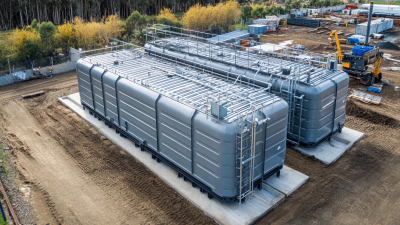
Why Choose Fire Water Storage Tank for Your Business Needs?
In today's fast-paced business world, the importance of a reliable fire water storage tank cannot be overstated. According to fire safety expert Dr. Emily Rivers, “A well-designed fire water storage tank is essential for safeguarding lives and assets.” Businesses must prioritize their fire safety systems, especially when it comes to choosing the right storage solutions.
Fire water storage tanks offer critical support during emergencies. They ensure that sufficient water is available for firefighting needs, which can mitigate damage and protect employees. Choosing the right tank can be complicated. It's vital to consider factors such as capacity, material, and location. Each decision should align with the specific needs of your business.
Yet, some companies overlook this aspect until it's too late. Procrastination can lead to severe consequences. Investing in a quality fire water storage tank not only fulfills legal obligations but also provides peace of mind. Overall, it is a choice that reflects a commitment to safety and risk management.
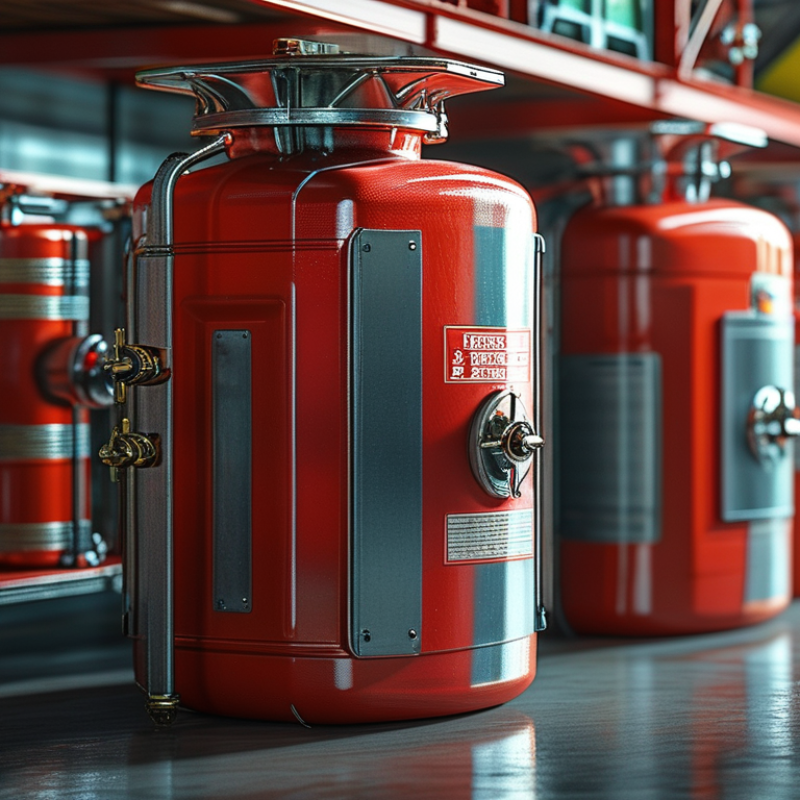
Importance of Fire Water Storage Tanks for Business Safety
Fire water storage tanks play a crucial role in ensuring business safety. They provide a reliable water supply for firefighting efforts. In the event of a fire, every second counts. Having a dedicated source of water can make the difference between a minor incident and a catastrophic loss. This is particularly important for businesses located in high-risk areas or industries, such as manufacturing or warehousing.
These tanks are built to meet stringent safety standards. Proper installation and maintenance are key components. Regular inspections can identify issues, such as leaks or contamination. Businesses need to take ownership of these responsibilities. Ignoring them can lead to dire consequences. Additionally, investing in fire water storage systems enhances a company’s disaster preparedness. It assures employees and clients that safety is a priority.
While the upfront cost may seem significant, the potential savings are substantial. Repairing fire damage is often far more expensive than preventing it. Furthermore, companies without proper fire water storage could face legal complications after a fire incident. Ultimately, the presence of these tanks reflects a commitment to safety and reliability in operations. Each business must evaluate its specific needs carefully.
Key Features of Fire Water Storage Tanks to Consider
When selecting a fire water storage tank, understanding its key features is essential. One crucial aspect is capacity. Depending on your facility size and fire risk, the tank must hold enough water. Ideal capacities range from a few thousand to several hundred thousand gallons. This allows for effective firefighting efforts without delay.
Another vital feature is material durability. Tanks can be made from steel, fiberglass, or concrete. Steel tanks offer strength, while fiberglass has lower maintenance needs. Consider how each material withstands environmental conditions. For instance, steel might corrode, which can lead to leaks. Choosing a reliable material can prevent costly repairs.
Lastly, installation flexibility matters. Some tanks are above ground, while others are underground. Above-ground tanks are easier to access and maintain. However, underground tanks save space, blending into the environment. Evaluate your site's layout objectively. Don’t overlook local regulations, as they may dictate tank placement. Making informed choices will enhance safety measures for your business.
Why Choose Fire Water Storage Tank for Your Business Needs? - Key Features of Fire Water Storage Tanks to Consider
| Feature |
Description |
Benefits |
| Material |
Typically made of fiberglass, steel, or polyethylene. |
Durability and resistance to corrosion or rust. |
| Capacity |
Available in various capacities, often ranging from 500 gallons to over 10,000 gallons. |
Customizable to meet specific fire protection needs. |
| Installation |
Can be installed above or below ground, depending on space and regulations. |
Flexible options for different site conditions. |
| Standards Compliance |
Must comply with local fire codes and NFPA standards. |
Ensures safety and regulatory compliance for your business. |
| Maintenance |
Requires regular inspection and maintenance checks. |
Prevents issues and ensures optimal functioning during emergencies. |
Advantages of Using Fire Water Storage Tanks Over Alternatives
Fire water storage tanks serve critical roles in various industries. Their advantages over alternative systems are notable. For instance, according to the National Fire Protection Association (NFPA), reliable access to water is vital during fire emergencies. A dedicated fire water storage tank ensures that businesses have the necessary water supply for firefighting efforts.
Unlike traditional water supply systems, fire water storage tanks can be specifically designed for resilience and efficiency. They are built to withstand environmental stresses. Reports indicate that the failure rate of conventional water supply systems can exceed 20% during emergencies. Proper installation of a fire water storage tank significantly reduces this risk. Typically, these tanks hold a minimum of 1,000 to 10,000 gallons of water, depending on facility needs.
Moreover, fire water storage tanks are versatile. They can be located closer to the potential fire hazards. This proximity allows for a quicker response time. Compared to alternative methods, these tanks add a layer of security. Regular maintenance ensures their reliability. However, many businesses neglect this aspect, leading to potential safety risks. It’s essential to periodically assess the integrity of these systems to ensure they remain effective in an emergency.
Regulatory Compliance and Standards for Fire Water Storage Tanks
When considering fire water storage tanks, regulatory compliance is paramount for businesses. These tanks must meet specific standards outlined by agencies like the National Fire Protection Association (NFPA). The NFPA recommends that facilities maintain an adequate supply of water for fire suppression. Failure to comply can result in fines or operational shutdowns. According to a recent industry report, nearly 30% of facilities assessed lacked adequate storage, jeopardizing safety.
In addition to NFPA guidelines, local regulations often impose stricter requirements. Many municipalities mandate regular inspections to ensure tanks operate efficiently. These inspections assess structural integrity and water quality. A study showed that 25% of tanks fail initial inspections due to corrosion or sediment accumulation. Keeping up with these regulations not only ensures safety but also builds trust with clients and stakeholders.
Choosing the right fire water storage tank reinforces your commitment to safety and compliance. Investing in quality systems delivers long-term benefits. However, the industry faces ongoing challenges, such as adjusting to evolving regulations. Business owners must stay informed and proactive to avoid risks associated with non-compliance. Ultimately, the right choices make a significant difference in emergency preparedness.
Maintenance and Management Best Practices for Fire Water Storage Tanks
Maintaining a fire water storage tank is crucial for business safety. Regular inspections help identify leaks or corrosion. This can save your company from more extensive repairs later. A consistent maintenance schedule ensures the tank operates effectively. Experts recommend checking the tank's structure and fittings every six months.
Management practices also play a vital role. Keep records of all maintenance activity. This includes inspection dates, findings, and corrective actions taken. Such documentation helps in tracking performance over time. Additionally, training staff on emergency procedures is essential. Everyone should know how to respond if an issue arises.
Reflecting on fire safety systems can reveal gaps in preparedness. Are the access routes clear? Is the water supply adequate? Regular drills can highlight areas for improvement. Taking proactive steps will enhance your fire water storage tank's reliability.