10 Best Galvanized Water Tanks for Global Buyers
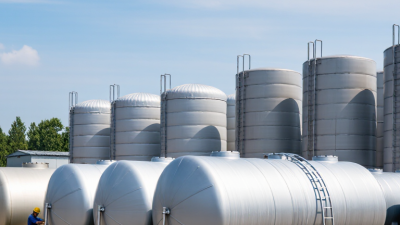
Galvanized Water Tanks are used for farm storage, rainwater collection, industrial supply, and remote-site projects. For global buyers, choosing a tank involves more than comparing capacity or price. Steel thickness, protective coating, liner options, fittings, and delivery requirements can all affect long-term value. Small details matter. A drain placed too high, for example, may leave water sitting at the bottom.
This guide introduces ten tank options for buyers with different budgets, site conditions, and storage needs. It highlights practical factors such as capacity ranges, assembly methods, corrosion protection, maintenance access, and available accessories. Climate matters, too: coastal air, heavy rainfall, and strong temperature changes can influence which specifications deserve closer attention. Published product details are useful, but they may not answer every question. Ask for written confirmation.
A careful comparison can help narrow the field, but no single model suits every project. Check technical documents, warranty terms, coating details, and the manufacturer’s guidance for your intended water use. Confirm shipping dimensions and installation needs before placing an order, especially when the tank will serve a remote location. This overview is a starting point, not a substitute for project-specific advice. Even a well-made shortlist can miss something. That is worth remembering.
Galvanized Water Tanks Explained: Steel Panels, Zinc Coatings, and Tank Types
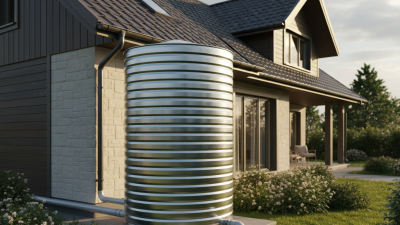
Galvanized water tanks are built from steel panels protected by zinc. The coating slows rust by forming a barrier and offering sacrificial protection where small scratches expose steel. It is not a cure-all. Salt spray, standing water around the base, and damaged cut edges can shorten service life. Look closely at seams and bolt holes; those spots often deserve more attention than broad, shiny panel faces.
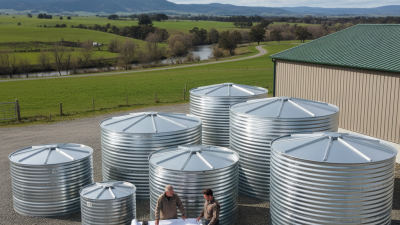
Panel construction shapes installation and upkeep. Bolted sectional tanks arrive as manageable sheets, then assemble on a prepared, level foundation. Corrugated panels add stiffness, while a flexible internal liner can separate stored water from the steel. Some tanks use factory-applied or hot-dip galvanized coatings; thickness and repair methods differ. Ask for coating details, liner material, and documented suitability for the intended water. “Galvanized” alone says little. Potable-water use needs suitable materials and local approval.
Tank type should match the site, not just the quoted capacity. A ground-level tank may suit farms or fire reserves, while elevated tanks provide gravity-fed pressure. Check access for panel replacement, overflow routing, drainage, and wind exposure. A small detail matters: a muddy ring beneath the tank can hide leaks or keep steel damp. I would still inspect it after rain. That can be awkward, but useful. Also verify cleaning access before purchase; a narrow hatch makes routine inspection harder than most drawings suggest.
Compare 10 Tank Options by Capacity, Roof Design, and Installation Needs
Capacity is only a starting point: daily demand, delivery access, and available ground all matter.
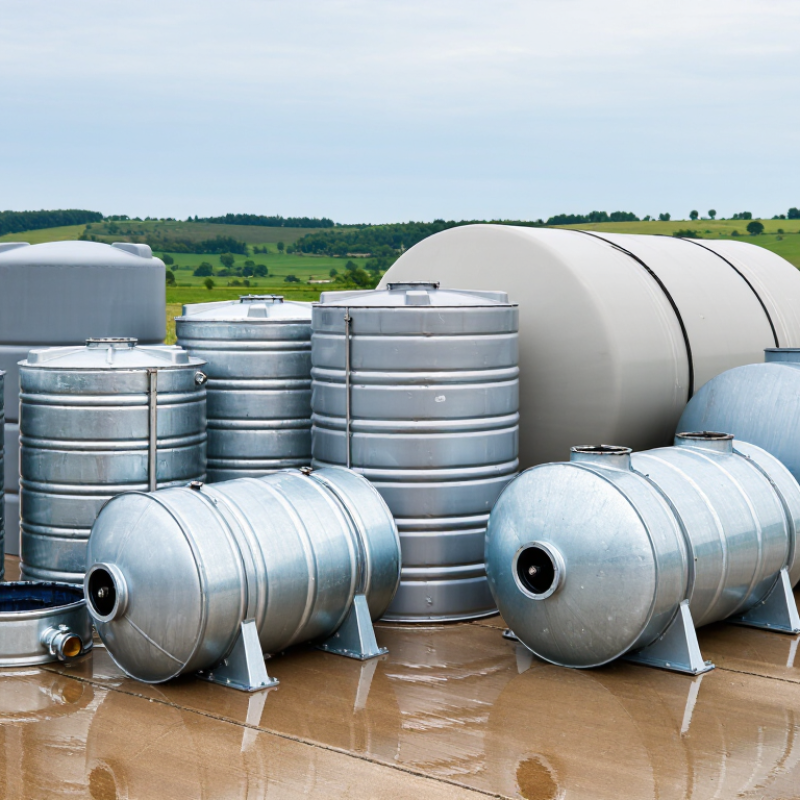
Option 1 is a compact bolted tank for a small site, with a covered flat roof and straightforward assembly.
Option 2 offers more volume but needs a firm, level foundation.
Option 3 uses a peaked roof to shed rain; check clearance above it.
Option 4 suits narrow footprints, though taller walls may need closer structural review.
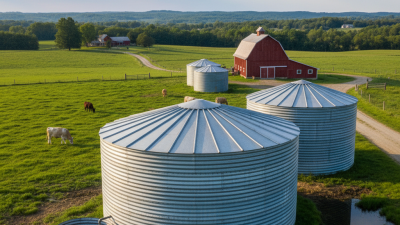
Options 5 and 6 serve larger farms or facilities. The former pairs a broad tank with a supported roof; the latter uses a domed roof that reduces standing water.
Option 7 is a sectional tank, useful where panels must pass through tight access routes. Installation takes longer, and every joint needs careful inspection.
Option 8 has a reinforced roof for demanding weather, but added loads affect design. Details matter.
For high storage needs, Option 9 uses a wide bolted structure with a peaked roof, requiring substantial foundation space.
Option 10 is a tall, smaller-footprint tank, but wind exposure and anchoring deserve extra attention. I would recheck those assumptions.
Compare roof access, venting, overflow routing, and maintenance space before choosing. For drinking-water use, confirm that the tank’s lining and fittings are suitable. A capacity estimate can look convincing on paper and still miss seasonal demand. That happens.
Corrosion Benchmarks: ISO 1461 Zinc Coatings Average 45–85 μm
For global buyers, zinc thickness is a useful first check, not a guarantee.
ISO 1461 covers hot-dip galvanized fabricated iron and steel. Its minimum coating requirements depend on the steel’s thickness and the inspection method. A quoted 45–85 μm range may describe typical results, but it is not a universal acceptance band in the standard. Check the inspection report. Ask whether the stated figure is an average or a local reading, and confirm which steel thickness category applies.
Small distinction. It matters.
On a tank shell, check several accessible areas, including seams, corners, and fittings. Handling and fabrication can affect coating coverage. A calibrated magnetic gauge helps, though surface condition and measurement technique can influence readings. Request coating records and details of any repairs before shipment. For water service, check that the tank lining and fittings suit the intended water chemistry; zinc thickness alone cannot establish suitability.
A few thin areas may become maintenance points, while extra microns cannot fix poor drainage or persistent abrasion.
Inspection is not glamorous. It reduces guesswork, though real projects can still surprise you.
Potable-Water Safety: NSF/ANSI/CAN 61 and Local Approval Requirements
For a galvanized tank, potable-water suitability depends on more than steel thickness or a clean-looking interior. NSF/ANSI/CAN 61 evaluates health effects of materials that contact drinking water; it does not certify tank strength or every installation. Check the exact model, lining, seals, valves, and fittings against the listing. That matters.
A supplier’s certificate should identify the product and conditions of use, including temperature or capacity limits where applicable. Ask for current certification records and installation instructions, not just a logo on a brochure. Galvanizing alone is not proof of potable-water compliance. If the tank has a liner, confirm that the liner and wetted accessories are covered too. Small details matter.
Local approval may involve separate health-department or plumbing rules, approved materials, permits, disinfection, and water sampling. Requirements differ by country and sometimes by municipality. Before ordering, send the model documents to the authority or project engineer and obtain written confirmation. A certificate is not a universal passport. It is tempting to treat paperwork as settled once one standard appears; pause there. Confirm operating conditions, especially hot water or unusual water chemistry, with a qualified reviewer.
10 Best Galvanized Water Tanks for Global Buyers — Potable-Water Safety: NSF/ANSI/CAN 61 and Local Approval Requirements
U.S. federal “lead-free” limits are 0.25% weighted average lead content across wetted surfaces and 0.2% lead in solder and flux. These limits address lead content; NSF/ANSI/CAN 61 evaluates the health effects of drinking-water-contact materials. Neither threshold alone is tank approval—confirm applicable certification and local requirements for the finished tank and its lining or coating.
Global Buyer Checklist: Match Climate, Capacity, Logistics, and Maintenance
When comparing the 10 best galvanized water tanks for global buyers, start with demand, not the catalogue capacity.
The World Health Organization cites 50–100 litres per person daily as a level that meets most basic needs. Multiply expected use by the number of reserve days, then allow for peak demand and unusable tank volume. Small details matter. Confirm that the tank’s lining and fittings suit the intended water use.
Climate changes the specification.
In freezing regions, check whether the tank can be drained safely and whether exposed pipes need protection. Coastal air can accelerate corrosion, so ask for coating details and a realistic inspection schedule. Roof, base, and anchoring requirements also matter where wind or heavy rainfall is common. A spreadsheet can miss local site conditions; have a qualified installer verify the foundation and load assumptions.
Logistics can reshape the shortlist.
UNCTAD’s Review of Maritime Transport reports that over 80% of global trade by volume moves by sea. Compare packed dimensions, container fit, unloading equipment, and replacement-part availability before ordering. For maintenance, plan access to inspect seams, coatings, inlets, and outlets, and follow the supplier’s water-quality guidance. The cheapest freight quote may not include inland delivery or lifting. Check that early.