Best Fire Water Storage Tank Solutions for Global Buyers?
In today's world, ensuring the safety of communities requires reliable Fire Water Storage Tank solutions. Effective storage systems are essential for firefighting operations, especially in areas prone to disasters. "A well-constructed tank can make all the difference during a crisis," says Dr. Emily Carter, a leading expert in fire safety technology. Her insights highlight the importance of choosing the right Fire Water Storage Tank.
Many buyers face challenges when selecting the best tank options. Factors such as material quality, capacity, and location play a crucial role. Each choice can impact the tank's efficiency and overall fire response effectiveness. Acquiring the ideal tank is not merely about size; it combines technical specifications and environmental considerations.
It's essential to learn from past experiences in the industry. Some installations have faced issues due to poor planning or substandard materials. Reflecting on such cases can guide buyers towards more informed decisions. As communities evolve, the need for reliable fire water storage solutions becomes increasingly urgent, urging buyers to act wisely and thoughtfully.
Overview of Firewater Storage Tanks and Their Importance
Firewater storage tanks serve a crucial role in fire safety plans across various sectors. These tanks provide a reliable water source during emergencies. They are especially vital in areas prone to wildfires or where large structures increase flame risks. Properly designed tanks ensure swift access to water, aiding in fire suppression efforts.
Choosing the right tank involves understanding specific needs. Factors such as capacity, location, and environmental conditions are key. Tanks must withstand local climates and potential hazards. Regular inspections and maintenance are essential to ensure functionality. However, many facility managers overlook these aspects. This neglect can lead to serious risks during a fire emergency.
Customization options exist but are not always clear. Buyers should seek advice from knowledgeable professionals. This can help identify specific requirements. Mistakes in tank selection can be costly. Therefore, having expert guidance is essential for optimal investment. A structured approach will enhance safety and preparedness, ultimately saving lives and property.
Types of Firewater Storage Tanks Available for Buyers
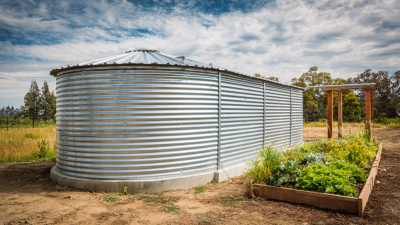
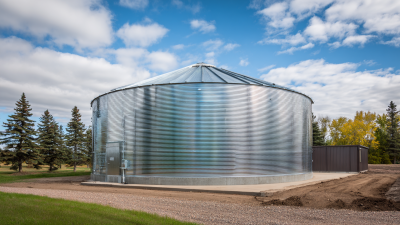
When considering firewater storage tanks, it's essential to understand the various types available. Above-ground tanks are popular due to their accessibility and ease of maintenance. They are often made from steel or fiberglass, providing durability. Reports suggest that these tanks can hold anywhere from 1,000 to over 50,000 gallons of water specifically for fire safety.
Another option is underground storage tanks. These are favored in space-restricted environments. They minimize visual impact while protecting the water from pollutants. Statistically, underground tanks often meet higher compliance standards. They typically require specialized monitoring systems to detect leaks, which can be costly yet essential for safety.
Manufacturers recommend a secondary containment system. This setup reduces environmental risks. Research indicates that about 30% of firewater storage failures are due to poor containment strategies. Regular inspections and maintenance are critical. However, many facilities overlook these measures due to budget constraints. Prioritizing reliable storage solutions is vital for effective fire safety management.
Key Features to Consider When Choosing Firewater Tanks
When selecting firewater tanks, several key features demand careful consideration. The tank's material is crucial. High-quality materials resist corrosion and prolong the tank's lifespan. Steel and fiberglass are common choices, each with unique benefits and drawbacks. Steel tanks offer durability, while fiberglass tanks provide lightweight options. Weighing these options will help you find the best fit.
Tank capacity is another important factor. It must align with the specific fire safety regulations in your area. Understanding local requirements helps ensure compliance. Additionally, the tank’s design influences accessibility for maintenance. A well-designed tank simplifies inspections and repairs. Look for easy access points and a layout that facilitates regular checks.
Moreover, consider climate exposure. Tanks should withstand extreme weather conditions. Insulating materials or coatings may be necessary. Evaluating geographical factors can prevent future challenges. Firewater tanks are a significant investment, and attention to detail is necessary. Missteps in selection can lead to costly consequences. Take time to review specifications. Ensuring the right fit means fewer problems down the line.
Regulatory Standards and Compliance for Firewater Storage Solutions
When it comes to firewater storage solutions, regulatory standards play a crucial role in ensuring safety and compliance. According to the National Fire Protection Association (NFPA), proper storage capacity must meet specific requirements based on facility size and fire risk. For instance, facilities classified as high-hazard might require additional storage capabilities. This ensures that in an emergency, sufficient water is available to combat fires effectively.
Compliance with standards from International Organization for Standardization (ISO) and American Water Works Association (AWWA) is essential. These organizations provide guidelines that dictate tank specifications, materials, and maintenance protocols. The ISO 9001 standard outlines the importance of quality management systems in manufacturing storage tanks, ensuring reliability and durability. However, not every supplier may adhere to these standards, raising concerns about the varying quality of firewater tanks in the market.
A lack of understanding about these regulations can lead to costly mistakes. Fire department inspections often reveal discrepancies that need addressing. Inaccurate assessments of water requirements can jeopardize safety. Therefore, global buyers must be diligent in sourcing tanks that truly comply with the required standards. Periodic audits and updates to the tanks can greatly improve overall safety and preparedness in fire emergencies.
Best Fire Water Storage Tank Solutions for Global Buyers
| Dimension |
Material |
Storage Capacity (Liters) |
Compliance Standards |
Typical Applications |
| 1,000 L |
Polyethylene |
1,000 |
NFPA 22, UL 1316 |
Residential Fire Protection |
| 5,000 L |
Fiberglass |
5,000 |
ASTM D3299, NFPA 22 |
Commercial Buildings |
| 10,000 L |
Steel |
10,000 |
BS 9990, NFPA 22 |
Industrial Facilities |
| 20,000 L |
Concrete |
20,000 |
EN 12845, NFPA 22 |
Municipal Fire Services |
Innovative Technologies in Firewater Storage Tank Design and Functionality
Innovative technologies are transforming firewater storage tank design. Many tanks now use advanced materials like polymers and composites. These materials are lightweight yet durable, enhancing overall efficiency. Additionally, new designs allow for better thermal insulation, reducing the chances of water contamination. This is crucial in emergency situations where water quality can make a difference.
Automation plays a significant role in modern tank functionality. Smart monitoring systems now provide real-time data on water levels and quality. This ensures that teams can respond quickly to any potential issues. However, relying too heavily on technology can lead to complacency. Regular manual inspections are still essential for reliability.
Sustainability is becoming increasingly important in firewater tank solutions. Using recycled materials can lower environmental impact. Innovative designs aim to blend tanks into landscapes, reducing visual pollution. Yet, while these advancements are promising, they require ongoing evaluation. The balance between innovation and practicality remains a challenge for many stakeholders.