Top 5 Square Water Tanks for Efficient Storage Solutions?
In an era where efficient water storage is crucial, the choice of tanks matters significantly. Square water tanks have gained popularity due to their space-efficient design and versatility. According to market research, the demand for industrial water storage solutions is projected to grow by 5.6% annually through 2027. This trend reflects the increasing need for effective water management in urban areas, especially.
Square water tanks offer unique advantages compared to traditional cylindrical models. Their flat sides allow for efficient space usage, making them ideal for limited areas. Furthermore, these tanks can be easily transported and installed, which is a significant benefit for many businesses facing logistical challenges. Yet, not all square water tanks are created equal. Some may lack the materials and quality needed for long-term use, leading to potential leaks or structural issues.
As industries adopt more sustainable practices, selecting the right tank becomes essential. Understanding the features and specifications of square water tanks can help users avoid costly mistakes. 備anching with sufficient research is key to ensuring that water storage systems meet requirements. Examining the top options available can lead to more informed decisions and prevent future regrets.
Introduction to Square Water Tanks: Benefits and Applications
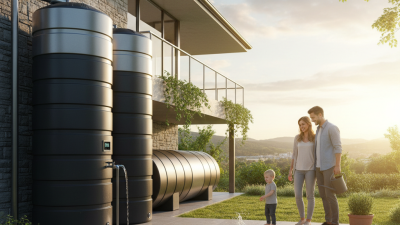
Square water tanks serve various applications, from residential to industrial use. Their design maximizes space efficiency, making them ideal for urban environments. According to a report by the Water Resource Association, square tanks can optimize water storage by up to 30% compared to traditional round tanks. This efficiency comes from their ability to fit snugly in corners and against walls.
Tips: When selecting a tank, consider material and location. Choose a durable material that withstands local weather conditions. Position the tank to ensure easy access for maintenance.
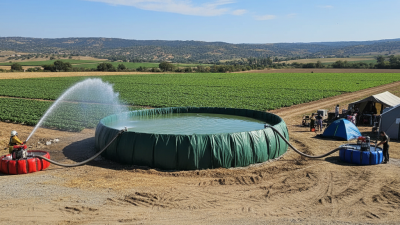
In agricultural uses, square tanks can store rainwater, reducing dependency on municipal sources. They offer reliable backup during dry periods. However, some installations may face challenges. Not every location is suited for square tanks due to land layout. Assess your space thoroughly before installation to avoid complications.
Tips: Always consult local regulations regarding water storage. They can vary widely and impact your tank installation process.
Key Features to Consider When Choosing Square Water Tanks
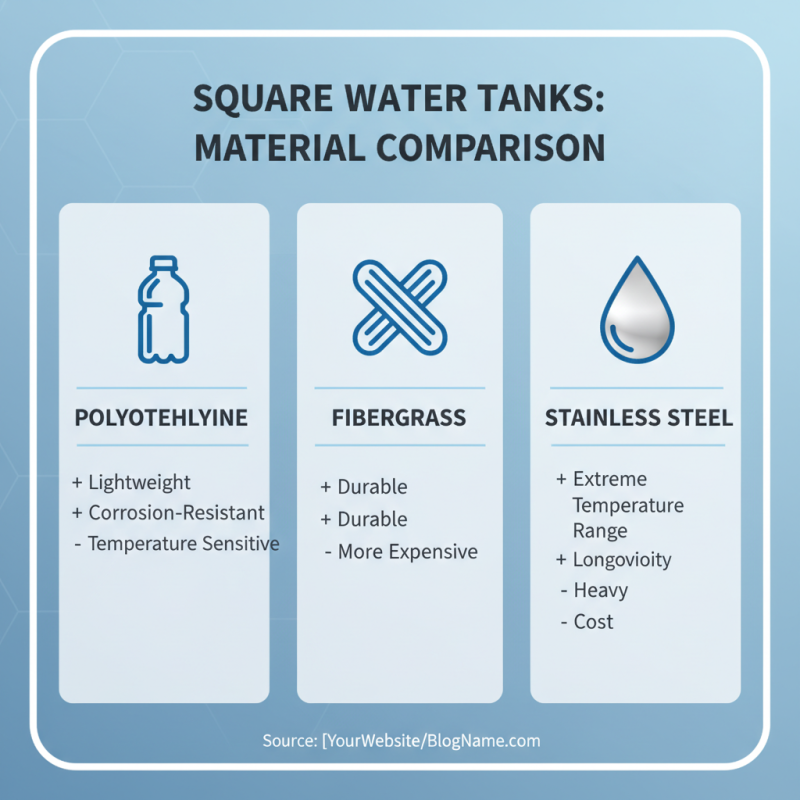
When selecting square water tanks, consider the material. Common choices include polyethylene, fiberglass, and stainless steel. Each material has unique benefits and drawbacks. For example, polyethylene is lightweight and resistant to corrosion. However, it may not withstand extreme temperatures. Fiberglass offers great durability but can be more expensive.
Next, think about capacity. Assess your specific storage needs carefully. Tanks come in various sizes, ranging from small to large. A tank that is too small will lead to frequent refills. On the other hand, an oversized tank may waste space. Aim for a balance based on your consumption patterns and available space.
Another factor to consider is maintenance. Some tanks require more upkeep than others. Regular inspections can detect leaks or wear and tear. Remember, neglecting maintenance can result in costly repairs. It often goes unnoticed until it becomes a significant issue. Choosing the right tank involves careful thought and occasional self-reflection on your needs and situation.
Top 5 Recommended Square Water Tanks for Various Needs
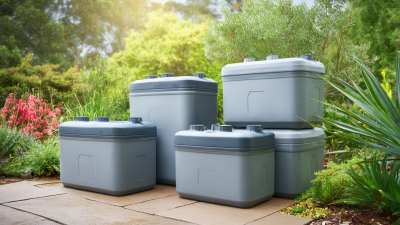
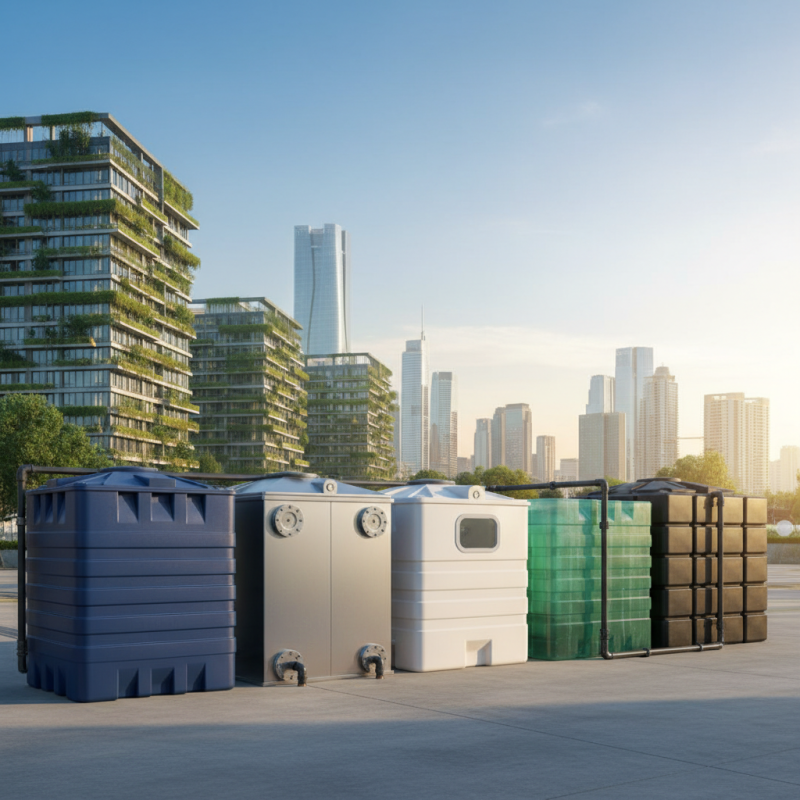
When considering water storage, square water tanks offer efficient solutions. Their shape maximizes space, fitting snugly into tight areas. This can be vital for homeowners with limited outdoor space. They come in various sizes, accommodating different needs. Whether you require a small tank for household use or a larger one for agricultural purposes, options abound.
One option is the compact square tank. It's perfect for urban settings where space is premium. These tanks can sit neatly on rooftops or balconies. Another choice is the larger model, suitable for farms or commercial use. It provides ample water for irrigation or livestock. Each tank type has its unique benefits and downsides. Some might be prone to algae growth if not maintained properly. Others may require more robust support structures.
Material plays a key role in tank durability. Plastic tanks are lightweight and easy to install. However, they might not last as long as steel tanks. Steel tanks can withstand harsh conditions but may be more expensive. Finding the right balance between cost and longevity is essential. Understanding all these factors can lead to a well-informed decision.
Top 5 Square Water Tanks for Efficient Storage Solutions
This bar chart illustrates the storage capacities of the top 5 square water tanks, showcasing their efficient solutions for various needs in water storage. Each bar represents the total capacity in liters for easy comparison.
Comparative Analysis of Capacity, Material, and Cost
When considering square water tanks, three factors dominate: capacity, material, and cost. Capacity determines how much water you can store. It’s crucial to select a tank that meets your specific needs. Tanks range from small sizes for residential use to large capacities for agricultural applications. Ensure that the chosen capacity matches your water consumption, but be wary of overestimating your needs.
Material significantly impacts durability and maintenance. Common options include plastic, fiberglass, and steel. Each material has its pros and cons. Plastic tanks are lightweight and affordable, while fiberglass offers excellent durability but at a higher cost. Steel tanks are robust but require regular maintenance to prevent corrosion. Reflect on how often you want to maintain the tank and your budget for that.
When evaluating costs, remember to factor in not just the initial purchase but also maintenance and operational expenses. Sometimes, a lower upfront cost may lead to higher long-term maintenance expenses. Always compare total costs before decision-making.
**Tips**: Check for local water regulations. They may impact tank selection. Measuring your available space is essential to avoid fit issues. Lastly, double-check warranties offered on the tanks. Some may offer limited coverage, which could be a future expense.
Maintenance Tips for Enhancing the Longevity of Water Tanks
Water tanks need care to last long. Regular maintenance can prevent costly repairs. Here are some tips to keep your tank in top shape.
Check for leaks often. A small leak can lead to big problems. Look around the seams and base of the tank. Watch for any unusual puddles over time. If something looks off, address it quickly.
Clean your tank regularly. Debris and sediment build up over time. This can affect water quality. Use a safe cleaning solution. Rinse it well to avoid chemical residue. Don't skip this step. A clean tank provides clean water.
Inspect the fittings and valves. They can wear out or corrode. Tighten them if they're loose. If you see rust, it may need replacement. Small issues can become major ones if left unattended. Keep a close eye on these parts.