Top 10 Household Water Tanks for Efficient Home Storage?
In an era where water scarcity is a growing concern, efficient storage solutions are vital. Household water tanks have emerged as essential components for managing water resources in homes. These tanks not only provide a reliable water supply, but they also promote sustainability and help mitigate the effects of droughts.
Choosing the right household water tank requires careful consideration. Not all tanks are created equal; factors such as size, material, and location matter significantly. Understanding these nuances is crucial for homeowners. A poorly selected tank can lead to wasted space and resources, highlighting the need for informed decision-making.
Exploring the top options available in the market can lead to better choices. Each tank has its advantages and drawbacks. It’s important to reflect on what aligns best with your specific needs. Engaging with knowledgeable sources and reviews can enhance this process, ensuring that your household water tank is both efficient and reliable.
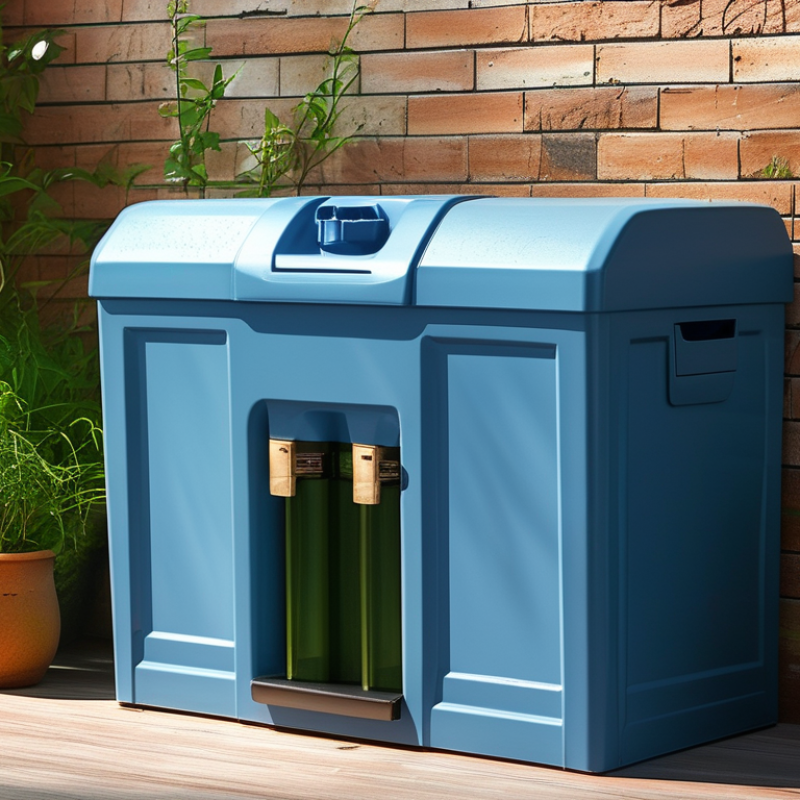
Overview of Household Water Tanks and Their Importance
Household water tanks play a crucial role in ensuring a consistent water supply at home. They store water for various daily needs, like drinking, cooking, and cleaning. According to a report from the International Water Association, adequate water storage can reduce dependency on municipal supply systems by up to 30%. This is especially vital in areas facing water shortages or during dry seasons.
To maximize the efficiency of your water tank, consider the size and material used. For instance, polyethylene tanks are lightweight and corrosion-resistant. On the other hand, concrete tanks provide durability but may require more maintenance. It's essential to assess the space available and expected water consumption to choose the right type.
Monitor your water tank regularly. Look for leaks, cracks, and sediment build-up. Addressing these issues early can prevent costly repairs. Maintaining cleanliness is also important; regularly clean the tank to avoid contamination. Optimizing your water storage system can lead to significant savings and greater peace of mind during emergencies.
Types of Household Water Tanks Available on the Market
When considering household water tanks, various types are available on the market. Each tank type serves unique purposes and fits different needs. Common types include above-ground tanks, which are easy to install and maintain.
Underground tanks save space but require more work during installation.
Another option is plastic tanks, known for their lightweight and rust-resistant properties. Steel tanks offer durability, but they may corrode over time in certain conditions. Each material provides distinct benefits and drawbacks. Sometimes choices can feel overwhelming.
Selecting the right tank depends on your household's water storage needs. Think about your usage patterns. Larger families may need bigger tanks, while smaller households can opt for compact models. Test to see how much water you typically use during peak times. It’s crucial to consider your space, budget, and potential maintenance challenges. A tank that fits perfectly today might not meet future needs.
Pay attention to your local climate as well. Cold areas may require insulation for tanks. In warmer regions, UV protection is vital. Regular checks ensure your water stays clean. Don't overlook these factors when choosing a tank. Water storage is an investment in your home’s functionality and sustainability.
Key Features to Consider When Choosing a Water Tank
When selecting a household water tank, several key features demand attention. First, consider the material.
Tanks are typically made from polyethylene, fiberglass, or steel. Each material offers unique benefits and drawbacks.
Polyethylene is lightweight and resistant to corrosion, but it can become brittle over time. Steel tanks are robust but
may require protective coatings to prevent rust.
Capacity is another critical factor. Think about your household's water usage. A family of four may need a larger
tank than a single occupant. Insufficient capacity can lead to shortages during dry seasons. Additionally, look at
tank design and shape. Some designs are modular, allowing for easy expansion or integration.
Be mindful of installation requirements. Some tanks necessitate professional installation, while others are
DIY-friendly. Always check local regulations regarding water tank use. These rules can vary significantly by
region. If you're unsure, consult a local expert or authority for guidance.
Water tanks can deteriorate over time. Regular maintenance is vital for longevity. Inspect for leaks and wear
routinely. Ensure connections remain secure. This proactive approach prevents costly repairs down the line.
Top 10 Recommendations for Efficient Home Water Storage
When considering efficient home water storage, various tank options are available. Selecting the right tank can significantly improve water accessibility. Start by evaluating your space. Consider whether you have an indoor or outdoor area for installation. Size matters too. Tanks come in different capacities, and your needs will guide the choice.
Look for tanks made from durable materials. This ensures they withstand weather changes and potential wear. Some materials also resist algae growth, which is crucial for maintaining water quality. Ensure the tank has a secure lid to prevent contamination. Proper filtration systems are also beneficial for keeping the water clean.
While efficiency is key, maintenance cannot be overlooked. Regularly checking for leaks and cleaning can ensure longevity and reliability. It's easy to forget these tasks amid a busy schedule. Remember, even the best tanks require care. Keeping your water storage in optimal condition ensures peace of mind and saves costs in the long run.
Maintenance Tips for Ensuring Longevity of Water Tanks
Maintaining household water tanks is crucial for longevity. Regular cleaning can prevent algae growth. A study by the Environmental Protection Agency (EPA) suggests that routine maintenance can extend tank life by 20%. Neglecting this can lead to costly repairs or replacements.
Inspecting fittings and seals is vital. Over time, they can wear out, leading to leaks. Research shows that leaks can waste up to 10,000 gallons of water a year from a single leak. Using a contractor for annual inspections can catch issues early. Paying attention to tank insulation can also help. Proper insulation reduces energy costs and enhances water quality.
Additionally, water quality testing should be done periodically. Contaminants can accumulate, impacting health. The World Health Organization recommends testing for microbial and chemical quality. These steps are essential for safeguarding your water supply. Being proactive can seem overwhelming, but it pays off in the long run.
Top 10 Household Water Tanks for Efficient Home Storage
This bar chart illustrates the average prices of household water tanks based on their storage capacity. Understanding these costs helps in selecting the most efficient water tank for your home storage needs.