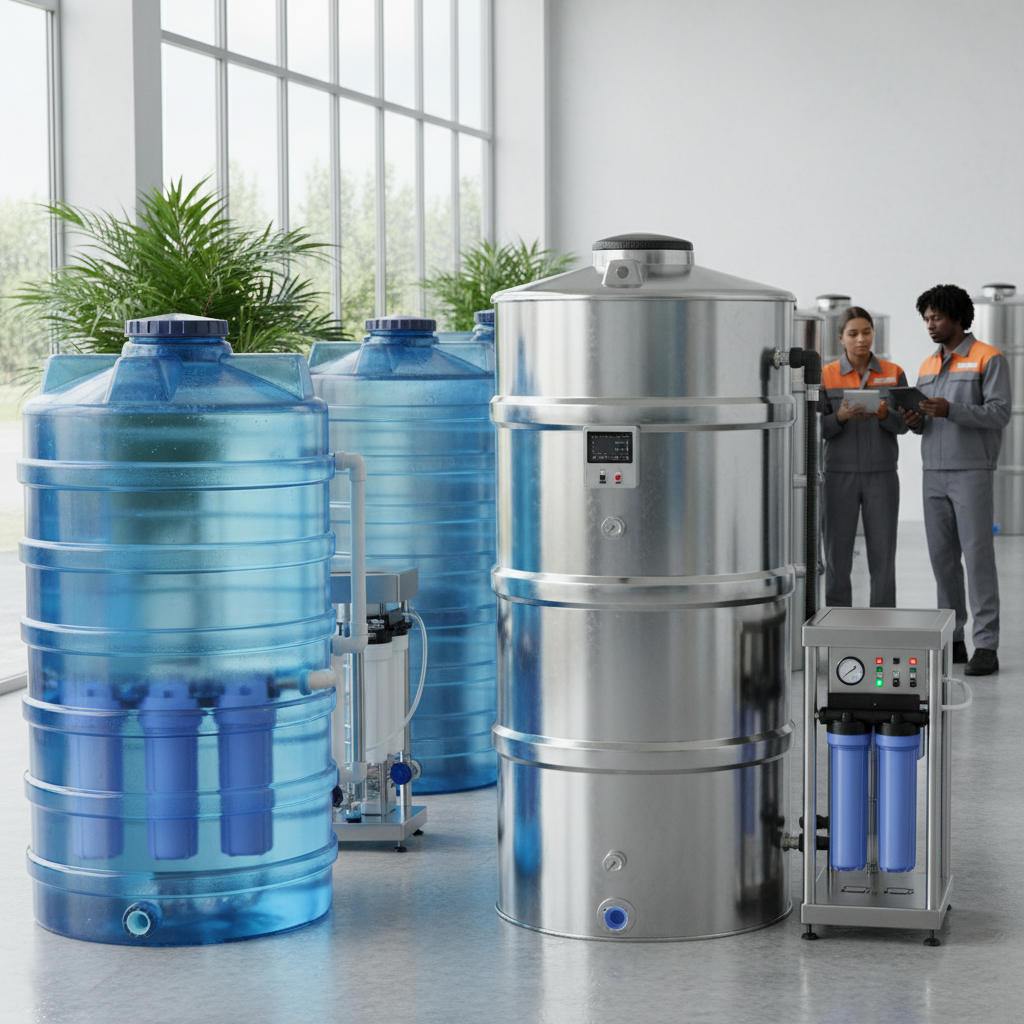
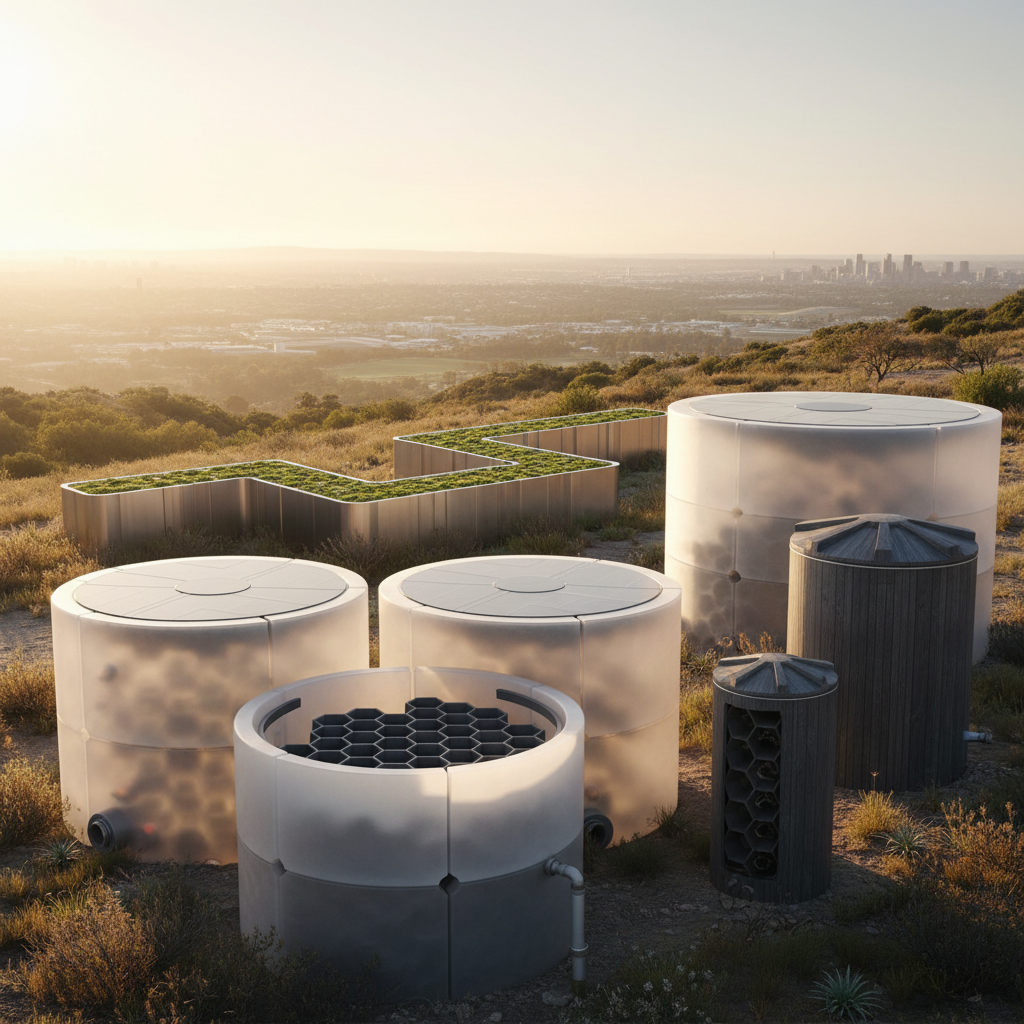
Top 10 Drinking Water Tanks for 2025 You Need to Consider Now
As we look ahead to 2025, the demand for efficient and reliable Drinking Water Tanks is becoming increasingly critical. Water quality, accessibility, and storage solutions will define the infrastructure of tomorrow, and staying informed about the best options is essential. According to Dr. Emily Reynolds, a leading expert in water resource management, “Investing in the right Drinking Water Tank is not just a necessity for today, but a foundation for sustainable living in the future.”
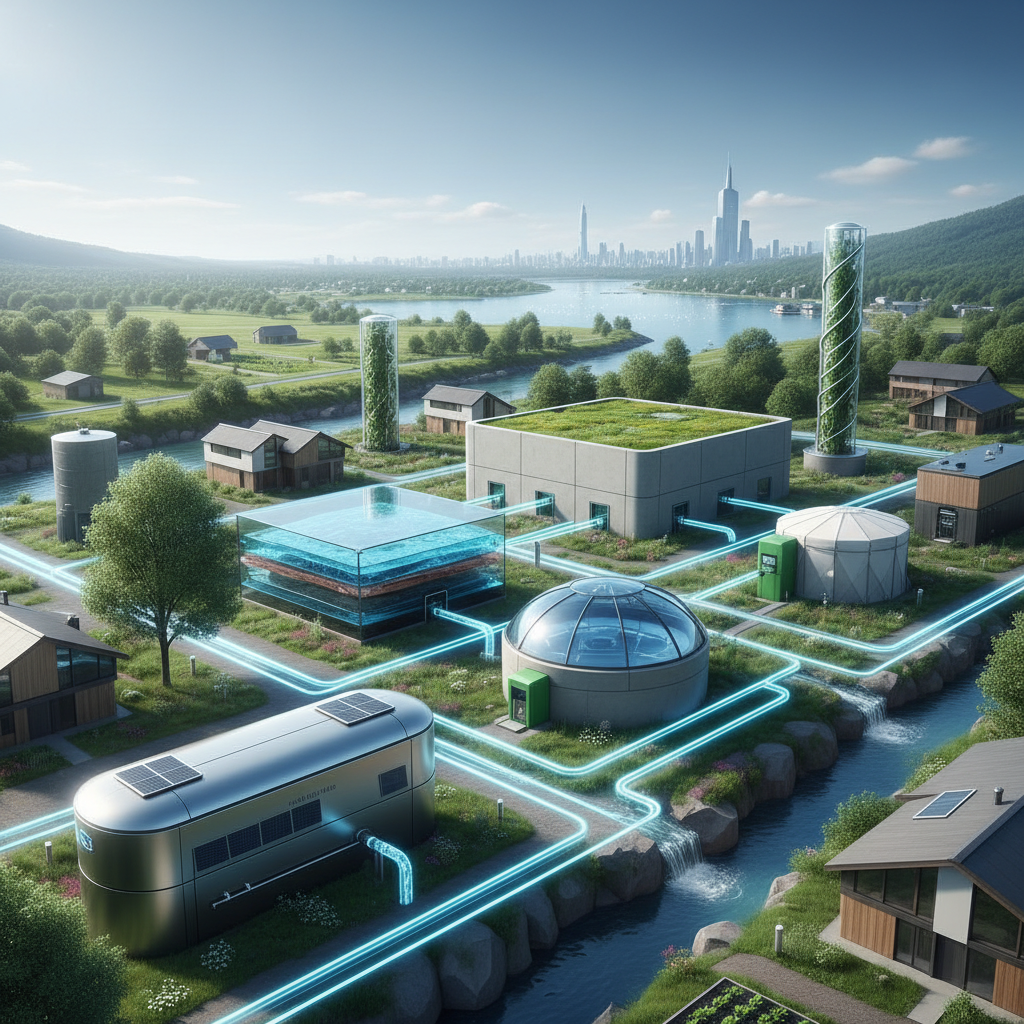
The market is evolving, with innovative technologies and designs emerging to meet the unique needs of various environments and communities. From residential use to large-scale municipal applications, the right choice of Drinking Water Tank can significantly impact water safety and conservation efforts. As we delve into the top 10 Drinking Water Tanks for 2025, we'll explore their features, benefits, and what to consider when making a decision that affects both individual households and broader ecological systems. The time to act is now, as clean and safe drinking water remains a pivotal resource in our ever-changing world.
Top Features to Look for in Drinking Water Tanks for 2025
When selecting drinking water tanks for 2025, several key features should be prioritized to ensure safety, efficiency, and longevity. First and foremost, consider the material of the tank. Tanks made from high-density polyethylene (HDPE) or stainless steel are recommended for their resilience against corrosion and UV degradation, ensuring the water remains clean and safe for consumption. Additionally, look for tanks that are equipped with advanced filtration systems to remove contaminants, providing peace of mind for users.
Another critical feature is the tank's insulation properties. As climate extremes become more common, tanks with effective thermal insulation can maintain water temperatures, preventing algae growth and ensuring palatable drinking water year-round. Moreover, smart technology integration is becoming increasingly popular, allowing users to monitor water levels, quality, and even receive alerts for maintenance through smartphone applications. These innovations not only enhance user convenience but also contribute to more sustainable water management practices.
Innovative Materials and Technologies Shaping Future Water Tanks
As we approach 2025, the landscape of drinking water tanks is undergoing a significant transformation, driven by innovative materials and advanced technologies. The emergence of lightweight composite materials is revolutionizing tank design, offering enhanced durability and resistance against environmental stressors. These materials not only reduce the overall weight of the tanks, making them easier to install and transport, but also extend their lifespan, ensuring that our water supply remains safe and uncontaminated.
Moreover, smart technology integration is becoming increasingly prevalent in the design of future water tanks. Sensors and IoT devices are being incorporated to monitor water quality and tank integrity in real-time, allowing for proactive maintenance and immediate response to potential issues. This shift toward intelligent systems ensures that water storage solutions are not only efficient but also sustainable, ultimately leading to better resource management and minimal environmental impact. With these advancements, the next generation of drinking water tanks promises to enhance both safety and accessibility in our water supply systems.
Eco-Friendly Options: Sustainable Drinking Water Storage Solutions
As we look towards 2025, the importance of eco-friendly drinking water storage solutions becomes increasingly apparent. Sustainable water tanks are designed not only to serve a practical purpose but also to minimize environmental impact. Many modern tanks are made from recycled materials or feature innovative technologies that enhance water purity while reducing energy consumption. When choosing a drinking water tank, it is crucial to consider options that align with ecological principles, making a positive contribution to the sustainability of our planet.
Furthermore, eco-friendly options often incorporate features that allow for rainwater harvesting, which greatly reduces dependency on municipal water sources. These systems can be designed to filter and store rainwater for potable use, providing a sustainable alternative that benefits both homeowners and the environment. By investing in green technology for drinking water storage, consumers can ensure they are not only meeting their hydration needs but also promoting a healthier ecosystem for future generations.
Comparative Analysis of Capacity and Design Trends in 2025
In 2025, the landscape of drinking water tanks will be significantly shaped by innovative design trends and varying capacities. The comparative analysis reveals a strong emphasis on sustainability and efficiency in manufacturing processes. Companies are now looking to integrate advanced materials that not only enhance durability but also minimize environmental impact. Additionally, the trend towards modular designs allows for customizable and scalable solutions to meet diverse consumer needs.
Capacity considerations are evolving, with a marked preference for systems that cater to both individual households and larger communities. Innovations in smart technology are leading to the development of tanks that can monitor water quality and usage in real time, empowering users to manage their resources more effectively. As we progress through 2025, these trends will likely influence consumer choices and reshape market dynamics, making it essential for stakeholders to stay ahead in understanding these shifts.
Top Brands to Trust for Reliable Drinking Water Tanks in the Coming Years
When considering a drinking water tank for the upcoming years, it's crucial to select a reliable brand. Established manufacturers like PureWater Systems, AquaSafe, and EcoTank have consistently demonstrated quality and durability. These brands are trusted not only for their innovative designs but also for their commitment to sustainability and safety. By choosing a reputable brand, you can ensure the longevity and efficiency of your water tank, providing clean drinking water for your family.
Tips for selecting the right drinking water tank: first, assess your storage needs based on your household size and water consumption. This assessment will guide you in choosing a tank with the appropriate capacity. Second, look for tanks made from food-grade materials that prevent contamination, ensuring your water remains pure. Lastly, consider the tank's maintenance requirements; some models come with self-cleaning features, making it easier to manage.
Investing in a high-quality drinking water tank is essential for health and convenience. Brands that prioritize advanced filtration systems and user-friendly features can enhance your experience, providing peace of mind knowing your drinking water is safe and easily accessible.
Top 10 Drinking Water Tanks for 2025 You Need to Consider Now
| Tank Capacity (Gallons) |
Material |
Insulation |
Warranty Period |
Price Range (USD) |
| 50 |
Plastic |
None |
5 years |
150 - 200 |
| 100 |
Fiberglass |
Yes |
10 years |
300 - 450 |
| 200 |
Steel |
Yes |
15 years |
500 - 700 |
| 300 |
Polyethylene |
None |
8 years |
400 - 600 |
| 500 |
Concrete |
Yes |
20 years |
800 - 1000 |
| 1000 |
Stainless Steel |
Yes |
25 years |
1200 - 1500 |