2025 Top Benefits of Using Flexible Water Tanks for Various Applications
Flexible water tanks have emerged as a pivotal solution for various water storage needs across multiple sectors, ranging from agriculture to emergency response. According to recent industry reports, the demand for flexible water tanks is expected to grow by over 30% by 2025, driven by their versatility and ease of use. These tanks provide a cost-effective and efficient alternative to traditional rigid tanks, capable of accommodating a range of applications such as irrigation, firefighting, and disaster relief.
The versatility of flexible water tanks stems from their design, which enables them to be deployed in diverse environments and terrains. This adaptability is underscored by data indicating that sectors such as agriculture, where water scarcity remains a pressing concern, are increasingly adopting these tanks to improve water conservation efforts. Furthermore, the International Water Association (IWA) highlights the importance of innovative water storage solutions in enhancing community resilience to climate-related disruptions, positioning flexible water tanks as a suitable choice for both permanent and temporary applications.
In summary, the benefits of utilizing flexible water tanks extend beyond mere storage; they represent a strategic investment in sustainability and adaptability in water management practices. With the continuous evolution of technology and growing emphasis on efficient resource usage, the role of flexible water tanks is set to become even more significant in the years to come.
Advantages of Flexible Water Tanks in Emergency Water Storage Solutions
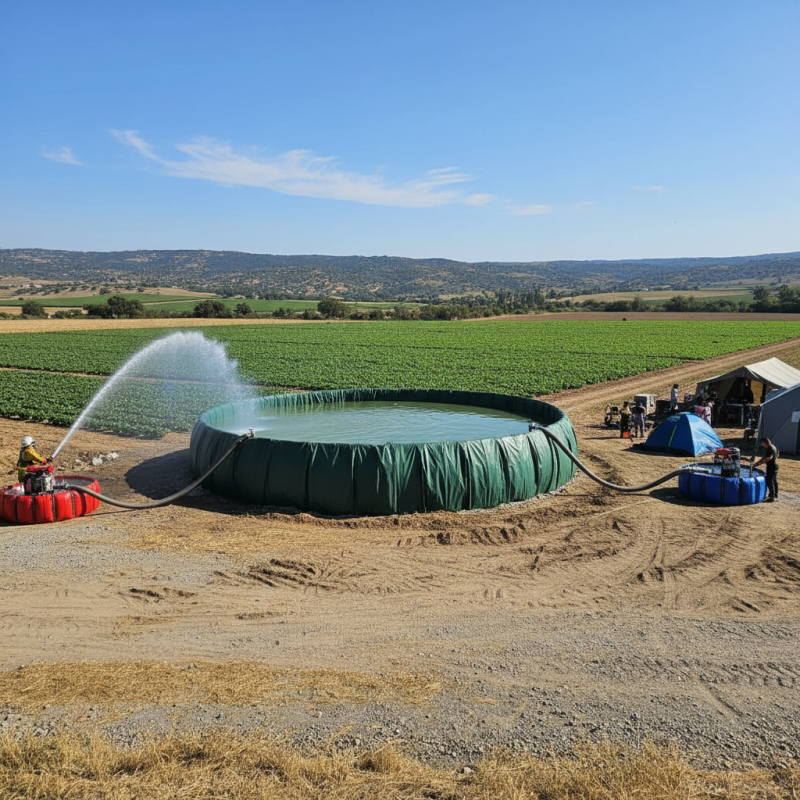
Flexible water tanks have emerged as a vital solution for emergency water storage, offering numerous advantages in various situations. One of the primary benefits is their lightweight and portable design, which allows for quick deployment in times of crisis. In emergency scenarios where immediate access to water is crucial, such as natural disasters or humanitarian aid efforts, these tanks can be easily transported and set up in a matter of minutes. Their flexibility means they can be installed in remote or challenging locations where traditional rigid tanks might be impractical.
Additionally, flexible water tanks are designed to adapt to diverse environments and needs. They can store varying quantities of water, making them suitable for both personal and large-scale emergency requirements. The materials used in their construction are often resistant to UV rays and punctures, providing a durable solution that can withstand the elements. This resilience ensures that the stored water remains safe and clean, allowing for effective utilization in emergencies, such as firefighting or providing sustenance to affected populations. Overall, the adaptability and functionality of flexible water tanks make them an essential component of any comprehensive emergency response strategy.
Key Industries Benefiting from Flexible Water Tank Applications
Flexible water tanks have become essential assets across various industries, offering innovative solutions tailored to their unique requirements. For agricultural sectors, these tanks provide reliable water storage during peak seasons and droughts, ensuring consistent irrigation and crop health. Farmers appreciate the tanks’ lightweight design, which allows for easy transportation and setup in remote locations, making them a practical choice for effective water management.
In construction and emergency management, flexible water tanks play a crucial role by supplying large volumes of water for firefighting, dust control, and site logistics. Their ability to be deployed quickly and stored compactly means that they can be utilized in critical situations where immediate access to water is vital. Similarly, in recreational and sporting events, organizers utilize these tanks to supply water for hydration and sanitation, ensuring participant safety and compliance with health regulations. The versatility of flexible water tanks thus meets the demands of diverse applications while promoting efficiency and sustainability across key industries.
2025 Top Benefits of Using Flexible Water Tanks for Various Applications
| Industry |
Application |
Benefits |
Capacity Range (Liters) |
| Agriculture |
Irrigation |
Cost-effective, Portable |
1,000 - 50,000 |
| Construction |
Site Water Storage |
Easy Setup, Durable |
500 - 10,000 |
| Emergency Services |
Disaster Relief |
Rapid Deployment, Reusable |
1,500 - 20,000 |
| Mining |
Water Holding |
High Capacity, Weather Resistant |
2,000 - 100,000 |
| Municipal |
Water Supply |
Sustainable, Effective |
1,000 - 100,000 |
Comparative Analysis: Flexible Water Tanks vs. Traditional Water Storage Methods
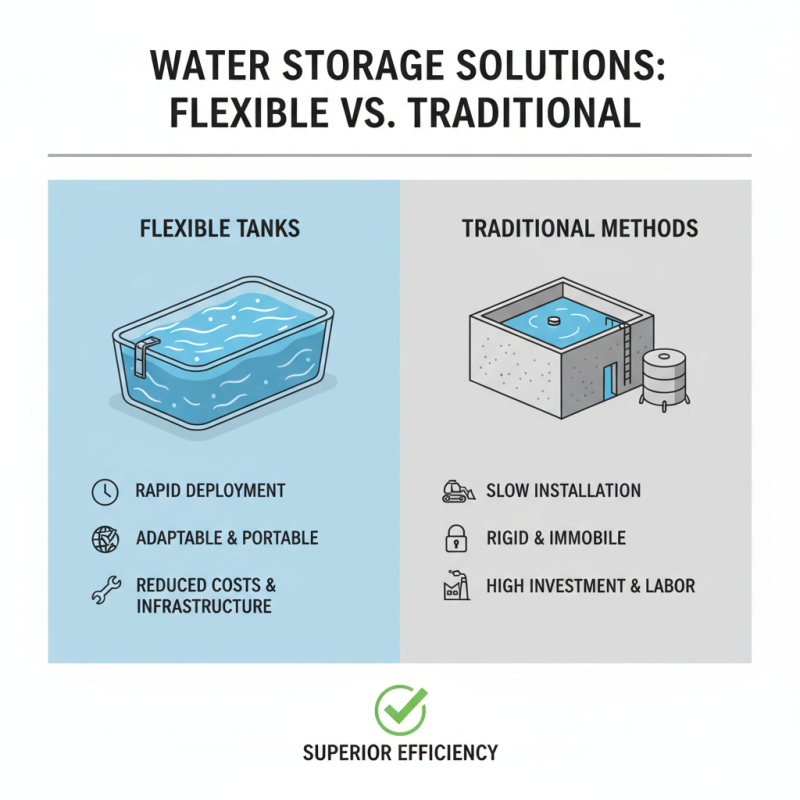
When evaluating the efficiency of water storage solutions, flexible water tanks emerge as a superior alternative to traditional methods such as concrete reservoirs and metal tanks. Traditional water storage systems are often rigid and require significant infrastructure investment, which can lead to increased costs and longer installation times. In contrast, flexible tanks are lightweight, easy to transport, and can be deployed in a variety of environments, making them ideal for both temporary and permanent applications. Their adaptability allows for rapid installation in diverse locations, whether on rugged terrains or urban settings.
Furthermore, flexible water tanks provide enhanced storage capabilities by utilizing collapsible structures that can be expanded as needed. This flexibility not only allows for a more efficient use of space but also enables storage in areas where conventional tanks might not fit. Additionally, flexible tanks typically have a lower total cost of ownership due to reduced maintenance requirements; unlike traditional materials that may corrode or require regular upkeep, many flexible tanks are designed for durability and resistance to environmental factors. As organizations seek cost-effective, adaptable, and sustainable solutions for water storage, flexible water tanks stand out as a practical choice in comparison to their more rigid counterparts.
Innovative Technologies Enhancing the Performance of Flexible Water Tanks
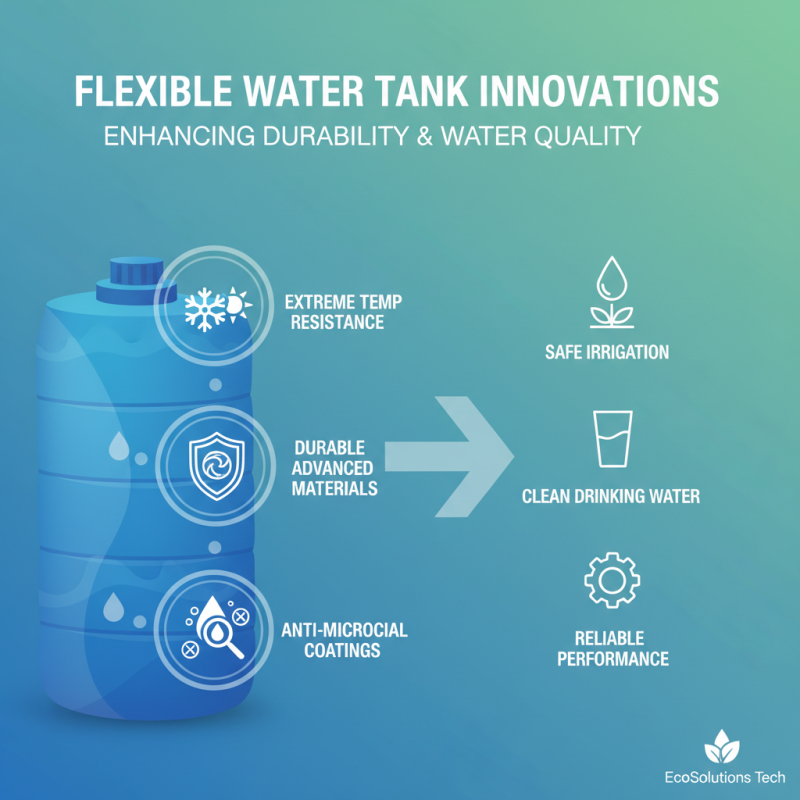
Innovative technologies are playing a pivotal role in enhancing the performance of flexible water tanks, making them a preferred choice for various applications. One significant advancement is the incorporation of advanced materials that improve durability and resistance to environmental factors. These materials can withstand extreme temperatures and harsh weather conditions, ensuring the tanks remain operational in diverse climates. Moreover, the development of anti-microbial coatings helps to maintain water quality by preventing the growth of harmful bacteria and algae, making flexible water tanks safer for human consumption and irrigation.
Another technological innovation is the integration of smart monitoring systems that enhance operational efficiency. These systems use sensors to track water levels, temperature, and even potential leaks in real time. This data can be accessed remotely through mobile applications, allowing users to manage their water supply more effectively. Furthermore, the automation of filling and draining processes reduces labor costs and improves response times in emergency situations, such as during natural disasters. As these technologies continue to evolve, they significantly contribute to the versatility and reliability of flexible water tanks in meeting diverse storage needs.
Sustainability and Environmental Impact of Using Flexible Water Tanks
Flexible water tanks have emerged as a sustainable solution for various applications, addressing both storage needs and environmental concerns. Their design minimizes the use of rigid materials, leading to reduced carbon footprints during production. The tanks are manufactured from durable, lightweight materials that can withstand harsh conditions while also being recyclable at the end of their life cycle. By adopting flexible tanks, industries can significantly decrease their reliance on traditional storage methods that often consume more resources and harm the environment.
Tips for sustainability include ensuring proper maintenance of the tanks to extend their lifespan and reduce waste. Regular inspections for leaks and wear can prevent unintended water loss, which is crucial in preserving this vital resource. Additionally, consider utilizing rainwater harvesting systems with flexible tanks to promote water conservation and support local ecosystems. This not only helps in managing water supply effectively but also contributes positively to the environment.
Implementing flexible water tanks also allows for easier transport and installation, reducing energy expenditures associated with transportation. This adaptability can be especially beneficial in remote areas where traditional storage solutions may be impractical. By prioritizing sustainable practices and choosing flexible options, organizations can lead the way in minimizing their ecological impact while addressing water storage challenges effectively.
Top Benefits of Using Flexible Water Tanks (2025)