What is Hdg Water Tank and Its Benefits for Your Projects?
In the construction and water management industry, the term "Hdg Water Tank" resonates with reliability and efficiency. Experts like John Smith, a leading engineer in water storage solutions, once stated, "Hdg Water Tanks offer unmatched durability for any project." This observation highlights the importance of these tanks in various applications.
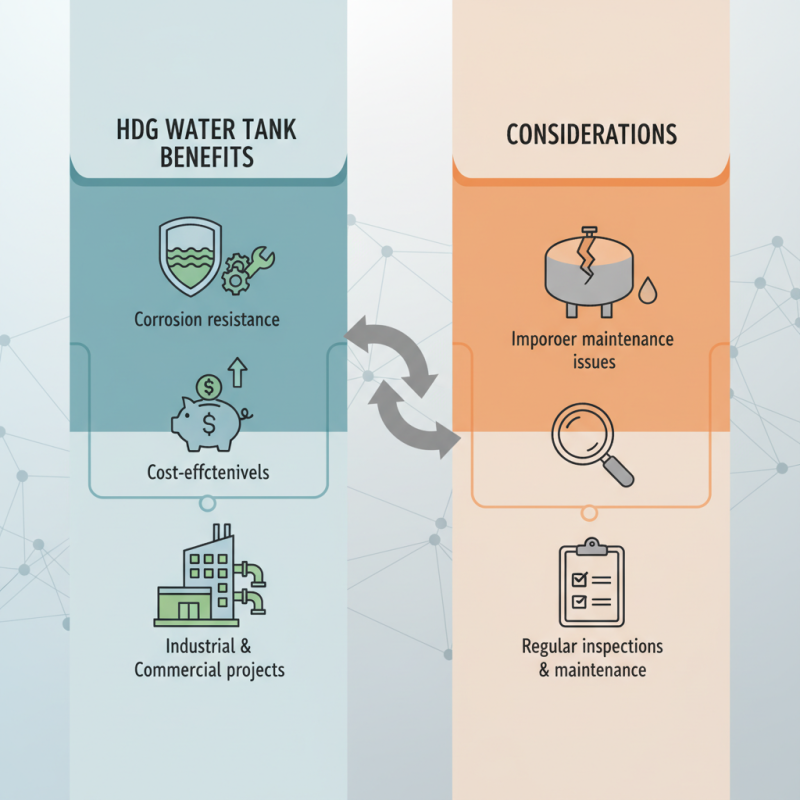
Constructed from hot-dip galvanized steel, Hdg Water Tanks excel in resisting corrosion. Their rugged design ensures longevity, making them a preferred choice for industrial and commercial projects. Many professionals value the cost-effectiveness these tanks provide over time. Yet, not all installations are flawless; improper maintenance can lead to issues that compromise their integrity.
As the industry evolves, understanding the benefits and limitations of Hdg Water Tanks becomes crucial. They symbolize a balance between innovation and traditional methods in water storage. Familiarity with these tanks improves project outcomes, but it also calls for a commitment to regular inspections and maintenance. Embracing this technology can transform water management strategies.
What is an Hdg Water Tank: An Overview of Its Design and Function
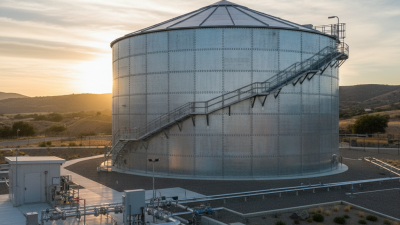
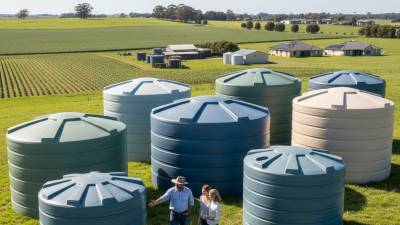
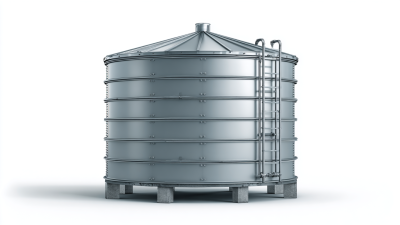
Hdg water tanks are designed for durability and efficiency. Made from hot-dip galvanized steel, these tanks resist corrosion and provide long-term reliability. Their construction allows them to handle various types of water. They are often used in agricultural, industrial, and municipal projects. The materials used ensure the tanks endure harsh weather conditions.
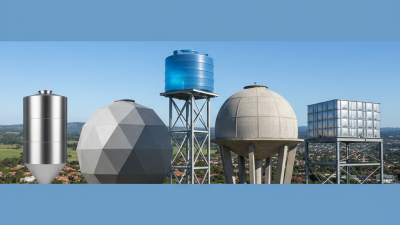
When considering an Hdg water tank, ensure that the design aligns with your project needs. Adaptability is a key feature. The tanks come in various sizes and shapes, allowing for different applications. Pay attention to installation requirements as well. Proper setup is crucial for optimal performance.
Tips: Always consult with a professional before purchasing. Understanding local regulations can prevent potential issues. Regular maintenance checks enhance the tank’s lifespan. Reflect on your water sourcing methods, as this can impact the tank's function. Proper planning leads to better project outcomes.
Key Materials Used in Hdg Water Tank Construction and Their Benefits
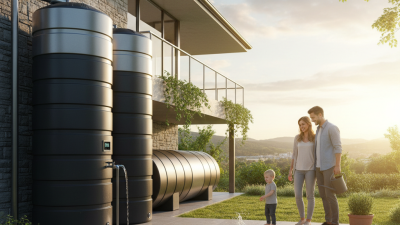
Hdg water tanks are constructed using galvanized steel, a material that offers superior durability and resistance to corrosion. This feature ensures that the tanks can withstand varying environmental conditions, making them ideal for both residential and commercial use. Galvanized steel is also lightweight, which simplifies transport and installation. This can save time and reduce labor costs on projects.
Another key material is the coating that enhances the tank's longevity. Protective coatings help prevent rust and deterioration. This is crucial in maintaining water quality and safety. Tanks with protective coatings can have a lifespan exceeding 30 years, which is a significant advantage for long-term investments.
Nonetheless, there are challenges with hdg water tanks. They require regular maintenance to prevent wear and assess structural integrity. While they are built to last, factors like local climate can affect performance. Budget considerations may also limit material choices for some projects. Choosing the right materials is essential. They should match project needs and budget constraints. Balancing quality and cost requires careful thought.
Hdg Water Tank Material Benefits Comparison
Advantages of Hdg Water Tanks in Industrial and Commercial Applications
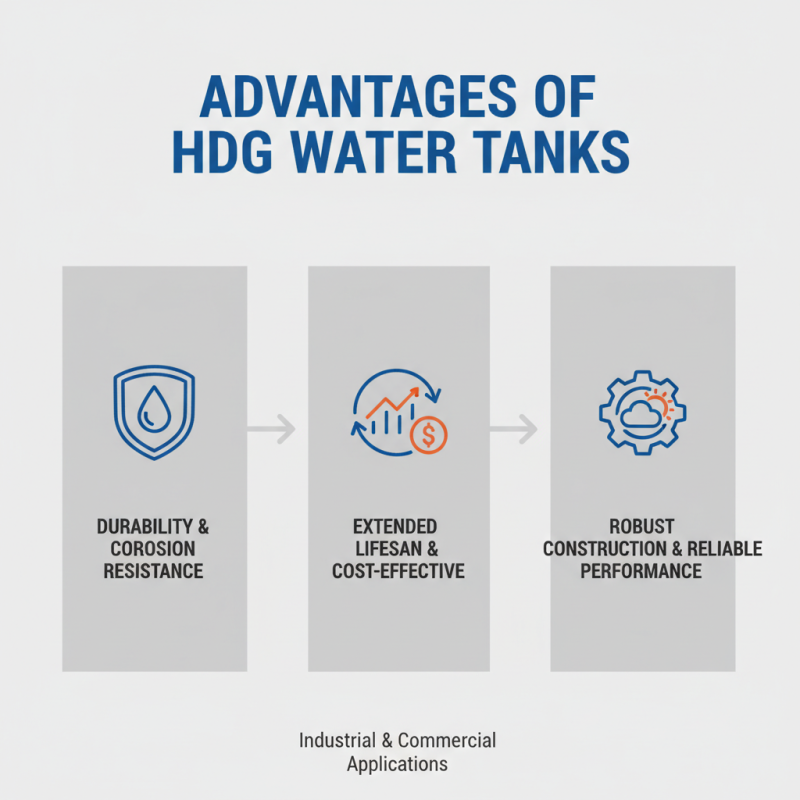
Hdg water tanks offer numerous advantages for industrial and commercial applications. Their hot-dip galvanized finish ensures durability, providing excellent corrosion resistance. This feature extends the lifespan of the tanks, making them a cost-effective choice for long-term projects. The tanks' robust construction can withstand various environmental conditions, ensuring consistent performance over time.
When selecting hdg water tanks, consider the specific needs of your project. Assess the tank size and capacity, depending on water usage patterns. Ensure that installation locations have adequate support and accessibility for maintenance. A well-placed tank can enhance efficiency and reduce potential risks.
Tip: Regular inspections can identify wear or damage before it leads to bigger issues. Pay attention to joints and seams, where leaks often occur.
Another factor to keep in mind is temperature control. Hdg tanks can maintain stable water temperatures under fluctuating environmental conditions. However, high temperatures can accelerate corrosion in any tank, regardless of the coating. Monitoring temperature levels can safeguard against long-term damage.
Tip: Implement a monitoring system to track conditions inside the tank. This can help ensure optimal performance and longevity.
Comparison of Hdg Water Tanks with Other Storage Options: A Data Analysis
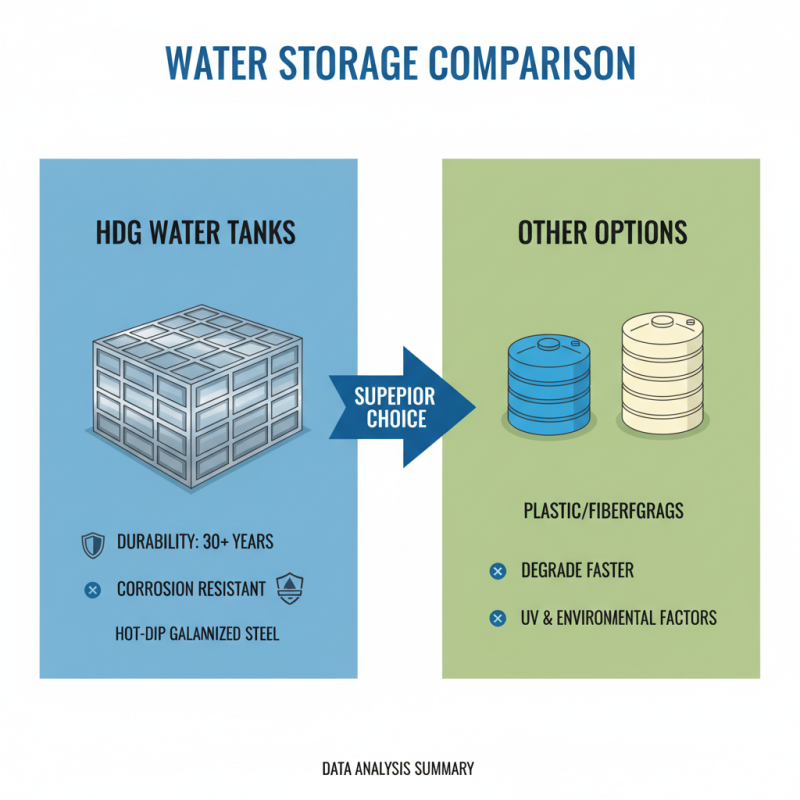
When considering water storage options, HDG water tanks stand out for their durability and efficiency. These tanks are made with hot-dip galvanized steel, which offers excellent corrosion resistance. This feature ensures a long lifespan. A typical HDG tank can last over 30 years with proper maintenance. This is a significant benefit compared to plastic or fiberglass tanks that may degrade faster.
In a data analysis comparing HDG tanks with other storage methods, crucial factors emerge. Cost, maintenance, and performance are often the main points of interest. While HDG tanks might have a higher initial cost, their longevity offsets this. For projects requiring reliable water storage, investing in HDG tanks can prove worthwhile. On the other hand, users should be cautious about installation. If not done correctly, even a strong tank can face issues down the line.
Additionally, flexibility in design is another point to ponder. HDG tanks can be customized to fit various project needs, which is a plus. Yet, it’s essential to assess whether your project truly benefits from these features. Reflecting on your specific requirements and constraints will lead to better decisions.
Maintenance Best Practices for Hdg Water Tanks to Ensure Longevity
Proper maintenance of HDG (Hot-Dip Galvanized) water tanks is crucial for ensuring their longevity and efficiency. Regular inspections are essential. They help identify any early signs of corrosion, leaks, or sediment buildup. According to a report by the American Water Works Association, almost 30% of water storage facilities experience problems related to neglect, which leads to costly repairs and replacements. Cleaning is equally important. Sediment can accumulate, affecting water quality and tank performance. Scheduled cleaning every two to three years can greatly enhance tank durability.
Routine maintenance practices include checking the anode rods and replacing them as needed. Anode rods help prevent corrosion by sacrificing themselves instead of the tank. Studies show that tanks with functional anode rods can last up to 25 years longer than those without. Additionally, ensuring the tank is properly insulated can prevent heat loss and reduce energy costs. Insulation also minimizes the risk of condensation and freezing during cold months.
Monitoring water quality is another vital aspect. Regular testing can prevent bacterial growth and chemical imbalances. The Environmental Protection Agency emphasizes that maintaining clean water is essential for public health. Yet, many facilities overlook this. Effective maintenance requires a proactive approach rather than reactive measures. Regular attention to these aspects can significantly extend the lifespan of HDG water tanks.