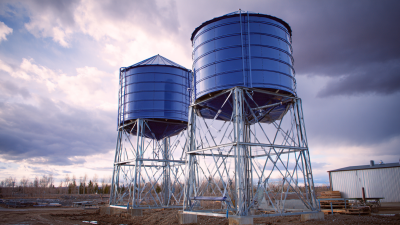
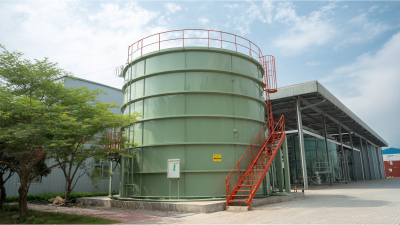
Why Grp Water Tanks Are the Best Solution for Your Water Storage Needs
In today's world, effective water storage solutions are paramount for both residential and industrial needs. One standout option that has gained significant attention is the use of GRP water tanks. As noted by industry expert John Smith, a leading figure in water management systems, "GRP water tanks provide a perfect blend of durability and flexibility, making them an ideal choice for any water storage requirement." This statement underscores the importance of choosing the right materials and designs when addressing water storage challenges.
GRP, or Glass Reinforced Plastic, not only boasts exceptional strength and resistance to corrosion but also offers a lightweight solution that simplifies installation and maintenance. With rising concerns over water scarcity and quality, the demand for reliable storage options has never been greater. By understanding the advantages of GRP water tanks, we can make informed decisions to meet our water storage needs effectively.
As we delve deeper into the benefits and applications of these tanks, it becomes clear why they are increasingly recognized as the best solution for a range of storage needs.
The Importance of Water Storage Solutions for Various Needs
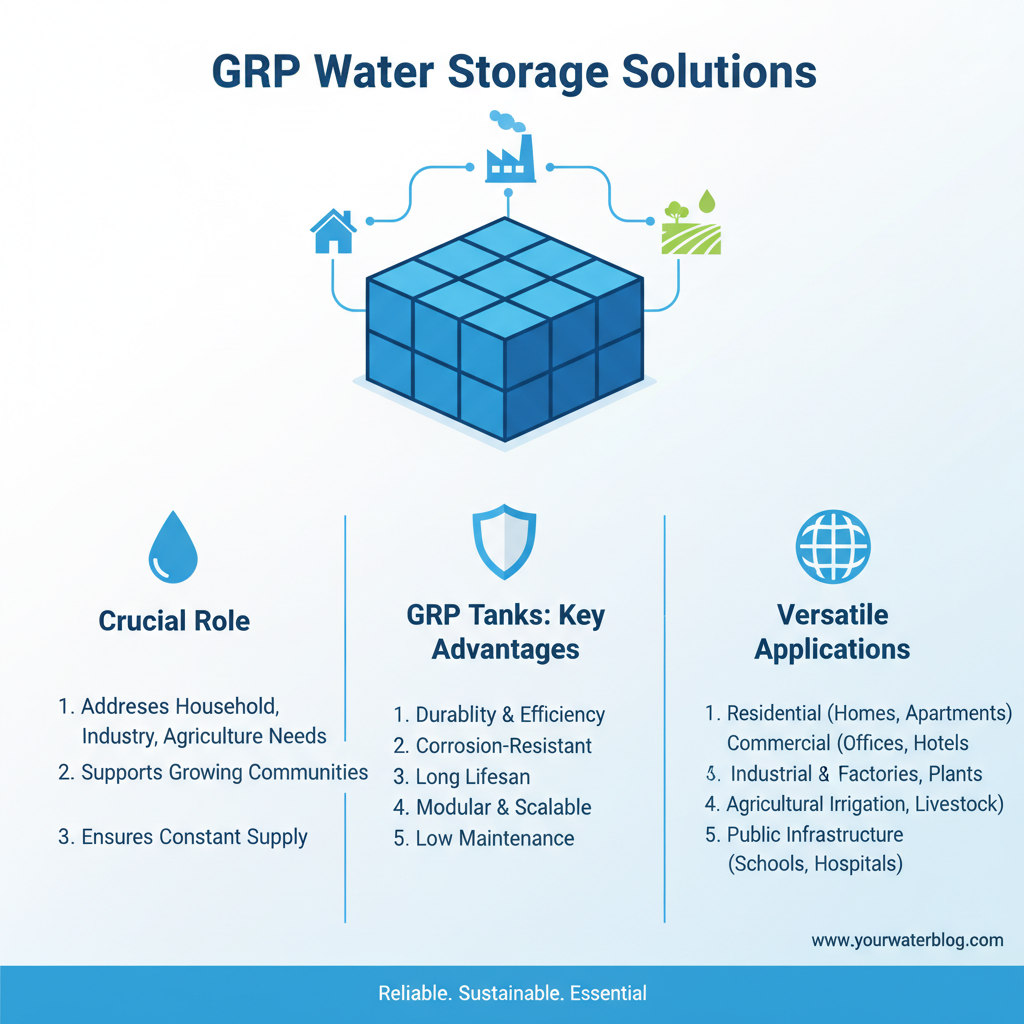
Water storage solutions play a crucial role in addressing the diverse needs of households, industries, and agricultural practices. As communities grow and water demand increases, having a reliable storage system ensures that individuals and businesses can maintain a constant supply of water. Grp water tanks, known for their durability and efficiency, offer a compelling option for various applications, from residential use to large-scale industrial projects.
The importance of effective water storage cannot be overstated. It not only guarantees that essential water supply is available during peak demand periods but also serves as a critical resource during emergencies or droughts. Grp water tanks, constructed from high-quality materials, are designed to withstand harsh environmental conditions, making them ideal for outdoor installations. Their ability to maintain water quality and prevent contamination adds another layer of assurance for users. As the world increasingly faces water scarcity issues, innovative storage solutions like Grp water tanks are essential for sustainable water management across different sectors.
Understanding GRP Water Tanks: Materials and Construction
GRP (Glass Reinforced Plastic) water tanks have gained significant traction in various industries due to their durable materials and innovative construction methods. Composed of reinforced plastic laminated with glass fibers, GRP tanks are exceptionally strong and lightweight, providing an effective solution for both urban and rural water storage. According to a recent report by MarketsandMarkets, the global GRP tank market is projected to reach $1.2 billion by 2025, primarily driven by the increasing demand for efficient water storage solutions in various applications, including industrial, commercial, and residential sectors.
The unique construction of GRP tanks involves a molding process that enhances their structural integrity and resilience against corrosion and weathering. Unlike traditional steel or concrete tanks, GRP tanks do not require extensive maintenance, significantly reducing overall lifecycle costs. Data from the International Water Association indicates that properly maintained GRP tanks can last up to 30 years, making them a cost-effective choice for long-term water storage needs. Their smooth internal surfaces also reduce biofilm buildup, ensuring cleaner water, which is particularly essential in potable applications.
Advantages of GRP Water Tanks Over Traditional Storage Options
GRP (Glass Reinforced Plastic) water tanks are increasingly becoming the preferred choice for water storage solutions, offering numerous advantages over traditional options. One of the primary benefits of GRP tanks is their exceptional durability. Unlike metal tanks, which may corrode over time, GRP tanks are resistant to rust and UV rays, ensuring they maintain their structural integrity for years. This durability translates to lower maintenance costs, making them a financially viable option in the long run.
In addition, GRP water tanks are lightweight and easier to install compared to concrete or steel alternatives. Their design allows for flexibility in installation, enabling them to fit in various spaces without compromising on storage capacity. Moreover, GRP tanks are available in a range of sizes, which can cater to diverse storage needs, from residential to industrial applications.
**Tips:** When considering a water storage solution, assess your specific requirements including space, capacity, and environmental factors. Additionally, always choose a reputable supplier to ensure high-quality GRP tanks that comply with safety standards. Regular inspections and maintenance checks will also help in maximizing the lifespan of your GRP water tank.
Why Grp Water Tanks Are the Best Solution for Your Water Storage Needs
| Feature |
GRP Water Tanks |
Traditional Storage Options |
| Durability |
Highly resistant to corrosion and environmental factors |
Prone to rust and deterioration over time |
| Weight |
Lightweight and easy to transport |
Heavy and difficult to move |
| Installation |
Quick and simple installation process |
Time-consuming and complex installation required |
| Maintenance |
Low maintenance needs with minimal cleaning |
Requires regular maintenance and cleaning |
| Cost-effectiveness |
Cost-effective over the long term due to lower maintenance and replacement costs |
Initial lower cost but higher lifetime costs due to maintenance and replacements |
Applications of GRP Water Tanks in Residential and Commercial Settings
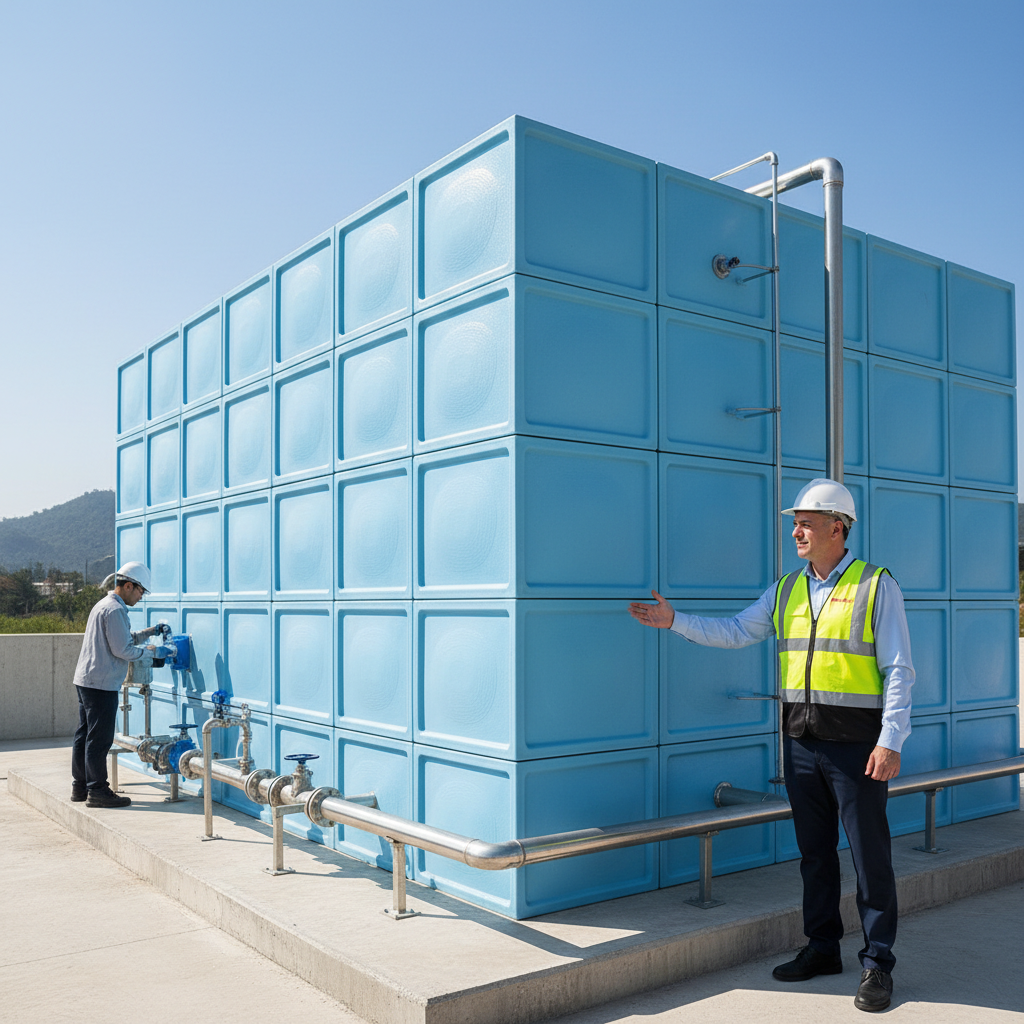
GRP (Glass Reinforced Plastic) water tanks offer versatile solutions for both residential and commercial applications, making them an increasingly popular choice for water storage needs. These tanks are particularly valued in environments where durability and corrosion resistance are paramount. In residential settings, GRP tanks can be utilized for rainwater harvesting systems, garden irrigation, and as supplementary water sources during dry seasons. Their lightweight nature facilitates easy installation, while their ability to withstand varying weather conditions ensures long-term functionality.
In commercial applications, GRP water tanks are essential for industries requiring reliable water supply, such as agriculture, food processing, and manufacturing. These tanks can be customized to meet specific volume requirements and can be easily integrated into existing infrastructure. Moreover, the growing trend towards sustainable practices has led many businesses to adopt GRP tanks for eco-friendly solutions, such as rainwater harvesting or as part of fire protection systems. As the market for water storage continues to expand, GRP technology is set to play a critical role in meeting the diverse water storage demands across various sectors.
Maintenance and Longevity of GRP Water Tanks: Best Practices
When considering GRP (Glass Reinforced Plastic) water tanks for your storage needs, their maintenance and longevity are paramount for optimal performance. According to industry reports, GRP tanks can last between 25 to 30 years with proper care, offering a robust solution against corrosion, UV damage, and chemical reactions. Regular inspections and cleaning can enhance their lifespan significantly.
**Tips:** To maximize the longevity of your GRP water tank, ensure routine maintenance checks are scheduled at least twice a year. This includes inspecting for any signs of wear or leakage and cleaning the interior thoroughly to prevent algal growth.
Proper installation also plays a critical role in maintaining the integrity of these tanks. Positioning them on a stable, level base can prevent unnecessary stress and potential fractures. Furthermore, utilizing protective coatings can shield the tank from UV rays, thereby extending its service life.
**Tips:** Consider applying a UV-resistant paint or lining to your GRP tank to bolster its defences against sunlight exposure. This simple step can contribute considerably to maintaining water quality and tank durability.
Maintenance Comparison of GRP Water Tanks vs. Traditional Water Tanks