Why Grp Water Tanks Are the Best Choice for Water Storage Solutions
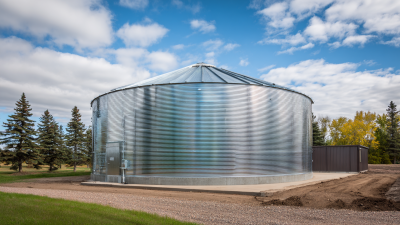
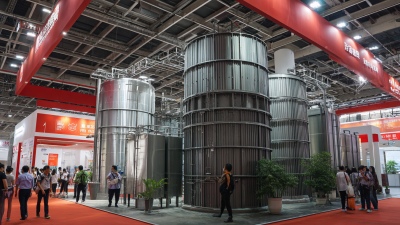
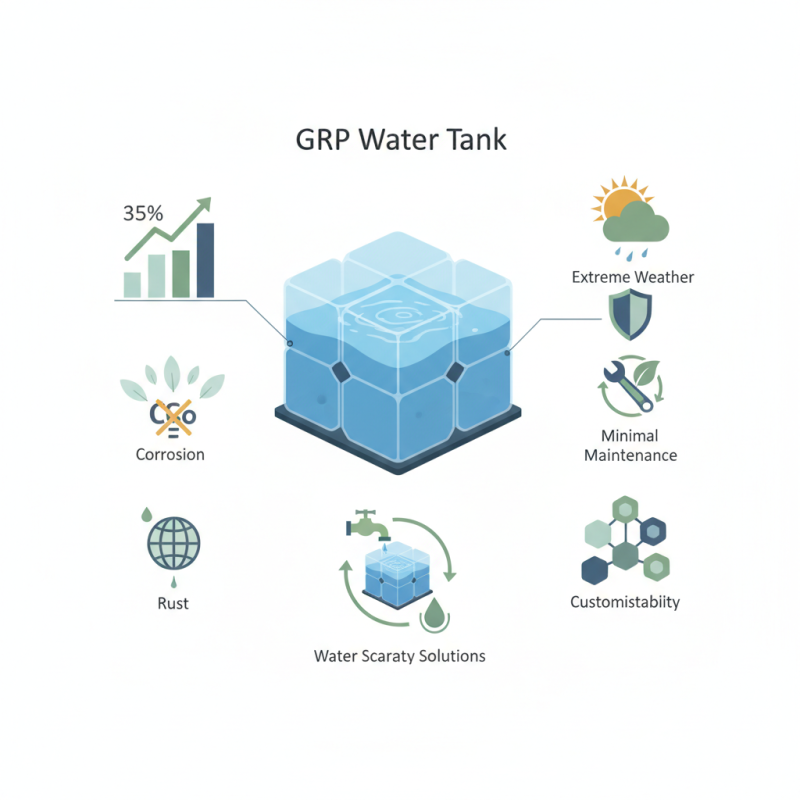
When it comes to water storage solutions, GRP (Glass Reinforced Plastic) water tanks stand out as the superior choice, offering unmatched durability and efficiency. According to a recent report by the Water Storage Industry Association, the demand for GRP water tanks has surged by 35% over the past five years, driven by their lightweight structure and resistance to corrosion. Experts in the field, like Dr. James Hargrove, a leading water resource engineer, emphasize the significance of GRP materials, stating, "The longevity and structural integrity of GRP water tanks make them an ideal investment for sustainable water management."
Furthermore, the benefits of GRP water tanks extend beyond mere longevity. They are designed to withstand extreme weather conditions and minimize maintenance costs, leading to a better return on investment for users. The ability to customize GRP tanks to different shapes and sizes further enhances their versatility in various applications, from commercial to residential setups. With global water scarcity becoming an increasing concern, the adoption of efficient storage solutions like GRP water tanks is more critical than ever to ensure a reliable water supply for future generations.
Benefits of Using GRP Water Tanks for Water Storage
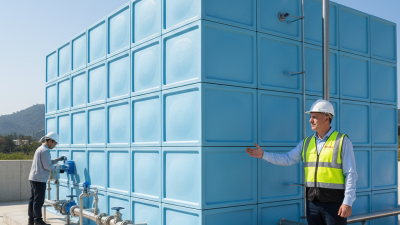
GRP water tanks offer a multitude of benefits that make them an increasingly popular choice for water storage solutions. One of the primary advantages is their exceptional durability. Made from glass-reinforced plastic, these tanks are resistant to corrosion, rust, and various environmental factors. This durability ensures that the tanks have a long lifespan, reducing the need for frequent replacements and maintenance, which can be both time-consuming and costly.
Another significant benefit is their lightweight construction. Unlike traditional materials such as concrete or steel, GRP tanks are easier to transport and install, which can lead to lower overall installation costs. Their flexibility in design allows for a variety of shapes and sizes, making it easier to fit them into different environments and applications. Additionally, GRP water tanks have excellent insulation properties, reducing heat transfer and helping maintain water quality without the risk of contamination. This combination of durability, ease of installation, and adaptability makes GRP water tanks an ideal choice for efficient and effective water storage solutions.
Why GRP Water Tanks Are the Best Choice for Water Storage Solutions
| Feature |
Description |
Benefit |
| Durability |
Made from fiberglass reinforced plastic |
Long-lasting and resistant to corrosion |
| Weight |
Lightweight compared to steel or concrete tanks |
Easier and cheaper to transport and install |
| Customizability |
Available in various sizes and shapes |
Can meet specific storage requirements |
| Seamless Construction |
Constructed in one piece without joints |
Reduces the risk of leaks and contamination |
| Insulation Properties |
Excellent insulation against temperature changes |
Keeps water at stable temperatures |
| Low Maintenance |
Requires minimal upkeep compared to other materials |
Saves time and operational costs |
| Eco-Friendly |
Made from recyclable materials |
Reduces environmental impact |
Durability and Longevity of GRP Water Tanks
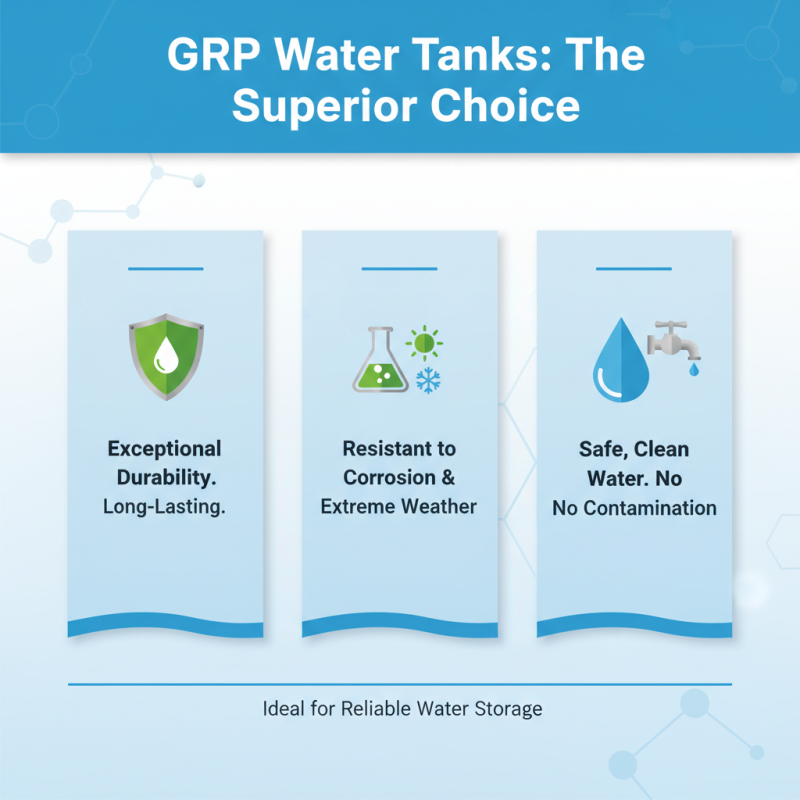
GRP (Glass Reinforced Plastic) water tanks are increasingly recognized for their exceptional durability and longevity, making them a superior choice for water storage solutions. One of the key advantages of GRP tanks is their resistance to corrosion and extreme weather conditions. Unlike traditional materials such as metal or concrete, GRP does not rust or deteriorate over time, which ensures that the stored water remains safe and clean, minimizing the risk of contamination.
When considering a water storage solution, it’s essential to evaluate the lifespan of the tank. GRP water tanks can last for decades without significant maintenance, providing excellent value over time. Their lightweight nature also means that they are easier to install and relocate if necessary, further enhancing their practicality.
**Tips:** When selecting a GRP tank, ensure it meets the specific requirements of your environment—be it residential, commercial, or industrial. Regularly check for any wear and tear, even though GRP tanks are low-maintenance. Additionally, consider the tank's capacity in relation to your water needs to optimize storage efficiency.
Cost-Effectiveness of GRP Water Tanks Compared to Alternatives
When considering water storage solutions, cost-effectiveness is a key factor that drives decisions. GRP (Glass Reinforced Plastic) water tanks often stand out in this aspect, offering an economical choice without compromising on quality. One of the significant advantages of GRP water tanks is their longevity and durability, which translates to lower maintenance costs over time. Unlike traditional materials such as concrete or steel, GRP tanks are resistant to corrosion and other environmental factors, reducing the need for frequent repairs or replacements.
In addition to their durability, GRP water tanks present a lightweight solution that simplifies transportation and installation. This feature not only cuts down on labor costs but also allows for quicker deployment compared to heavier alternatives. Furthermore, GRP tanks typically have lower upfront costs, making them accessible for a variety of projects, from small-scale domestic use to large industrial applications. By choosing GRP water tanks, users can enjoy significant savings over the entire lifecycle of the product, ensuring a high return on investment while meeting their water storage needs effectively.
Environmental Impact of GRP Water Tanks in Water Management
The environmental impact of GRP (Glass Reinforced Plastic) water tanks has garnered significant attention in recent years, especially as sustainability becomes a cornerstone of modern water management strategies. One of the primary advantages of GRP tanks is their durability and resistance to corrosion, which extends their lifespan significantly compared to traditional materials. According to a report by the Water Research Foundation, tanks made from GRP demonstrate a life expectancy of over 30 years, minimizing the need for replacements and reducing associated waste.
Furthermore, GRP tanks are lightweight, which translates to lower transport emissions and energy consumption during installation. The same report indicates that using GRP can reduce carbon emissions by up to 40% compared to steel and concrete alternatives. Additionally, their smooth surfaces minimize bacterial growth and sediment buildup, promoting better water quality and, consequently, less need for chemical additives in water treatment processes. As communities increasingly prioritize eco-friendly solutions, the adoption of GRP water tanks stands out as a responsible choice, aligning with global sustainability goals while effectively managing water resources.
Environmental Impact of GRP Water Tanks in Water Management
Applications and Versatility of GRP Water Tanks in Various Industries
GRP (Glass Reinforced Plastic) water tanks are gaining prominence across diverse industries due to their remarkable versatility and efficiency. In the agricultural sector, for instance, GRP tanks are often utilized for irrigation and livestock watering systems.
According to the International Water Management Institute, effective water storage solutions can enhance agricultural productivity by as much as 30%. This increased efficiency is critical in regions where water scarcity is prevalent and can lead to substantial improvements in crop yield and livestock health.
In the construction industry, GRP water tanks serve various purposes, from fire protection systems to potable water storage. Their lightweight nature facilitates easy transport and installation, making them a preferred choice for site managers.
A report from the Water and Wastewater Equipment Manufacturers Association indicates that GRP tanks have a lifespan of more than 30 years, significantly outlasting traditional materials like steel and concrete. This durability not only minimizes maintenance costs but also proves beneficial for projects requiring temporary or modular water storage solutions.
Moreover, GRP water tanks are increasingly being leveraged in municipal water supply systems and industrial applications due to their corrosion resistance and adaptability to different environments. With findings from the Global Water Intelligence predicting a 6% annual growth rate in the demand for water storage solutions, the application of GRP tanks is poised to expand further. This adaptability underscores their significance in various sectors, where the need for reliable and efficient water storage is paramount.