Best Emergency Water Tank Solutions for Your Safety?
In today’s unpredictable environment, ensuring access to clean water is crucial. An expert in emergency preparation, Dr. Sarah Mitchell, says, “An Emergency Water Tank can be a lifesaver when disasters strike.” These tanks are essential for anyone looking to prepare for the unexpected.
An Emergency Water Tank offers not just storage, but peace of mind. They provide needed water during natural disasters or outages. However, many people overlook their importance until it’s too late. Investing in the right solution requires careful consideration and planning.
Choosing an Emergency Water Tank can feel overwhelming. The market is crowded with different options. Some may overestimate their needs, while others may choose poorly. Reflecting on your specific requirements is vital. This choice could impact your safety and preparedness in emergencies.
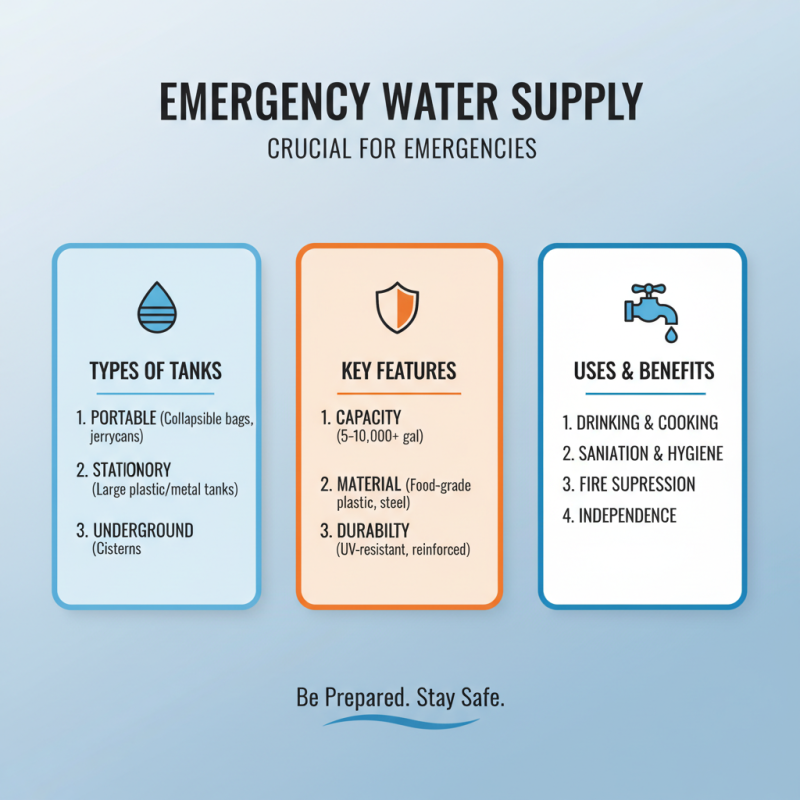
Types of Emergency Water Tanks for Home Use
When emergencies arise, having an adequate water supply is crucial. Emergency water tanks can be a lifesaver. Various types cater to different needs and situations.
One popular choice is the inflatable water tank. They are portable and easy to set up. A study from the Water Research Institute points out that 40% of households prefer this option for its flexibility. These tanks can hold anywhere from 100 to over 1,500 gallons of water. However, they may require regular maintenance to prevent leaks.
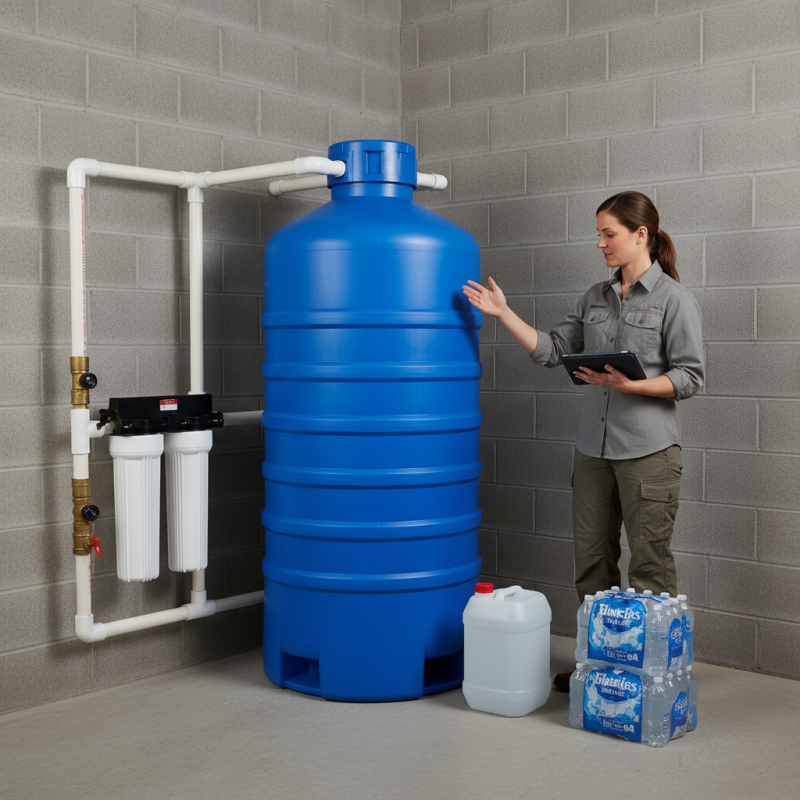
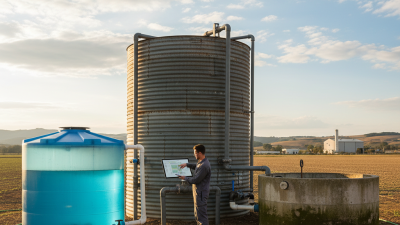
Another option is the stationary storage tank. Typically made from durable materials, they are ideal for long-term use. These tanks can be installed above or below ground. Some reports indicate that stationary tanks can last over 20 years with proper care. Keep in mind, however, that they can be expensive to install initially.
Tips: Always check local regulations. Certain areas have specific guidelines for water storage. Additionally, consider your household's water needs carefully. During an emergency, it's essential to have enough water for drinking and sanitation. A good rule of thumb is to plan for at least one gallon per person per day.
Each option has its pros and cons. Evaluate your space, budget, and potential risks. Making informed decisions is key to ensuring your family's safety during emergencies.
Key Features to Consider When Choosing Water Tanks
Choosing the right emergency water tank can be crucial for your safety. When electing a water tank, size matters significantly. A larger tank provides more water. However, a smaller tank can be easier to install. You must assess your space and needs carefully. Think about how much water your household requires.
Material choice is also essential. Tanks made of polyethylene can resist corrosion. Steel tanks offer durability but may rust over time. Look for UV-resistant options if you’ll place the tank outside. Insulation can also play a critical role. It can help maintain water temperature during extreme weather.
Don’t overlook the importance of accessibility. Ensure that your tank is easily reachable for maintenance. Installing a tank out of sight can lead to neglect. Watch for signs of wear and tear. Regular inspections can prevent potential leaks or issues. An emergency water tank should be reliable, but attention is required.
Best Emergency Water Tank Solutions for Your Safety
| Tank Type |
Capacity (Gallons) |
Material |
Weight (lbs) |
Dimensions (inches) |
Key Features |
| Portable Water Tank |
50 |
Polyethylene |
40 |
24 x 24 x 36 |
UV Resistant, Lightweight |
| Above Ground Tank |
1000 |
Steel |
200 |
96 x 48 x 48 |
Durable, Corrosion-Resistant |
| Underground Tank |
1500 |
Fiberglass |
350 |
96 x 48 x 60 |
Space Saving, High Strength |
| Bladder Tank |
250 |
PVC |
30 |
60 x 60 x 24 |
Flexible, Easy to Store |
Installation Guidelines for Safe and Efficient Water Storage
When installing an emergency water tank, safety is a top priority. A well-planned installation can prevent leaks and ensure efficient water storage. According to the American Water Works Association, proper tank installation can enhance system performance by up to 30%. Recruitment of trained professionals is often overlooked but essential. They ensure tanks meet local codes and regulations.
The layout of your storage area impacts effectiveness. Keep the tank elevated or insulated to maintain water quality. Studies show that improper placement can lead to contamination risks. Evaluating the surrounding environment is critical. Make sure the area is accessible for maintenance. Ignoring this can result in increased costs down the line.
Regular inspection is important. A survey by the Water Quality Association indicates that 25% of emergency water tanks fail to undergo routine checks. This oversight can lead to degraded water quality. Implementing a preventive maintenance plan is not just a suggestion; it’s necessary. Addressing potential issues early can save time and resources in the future.
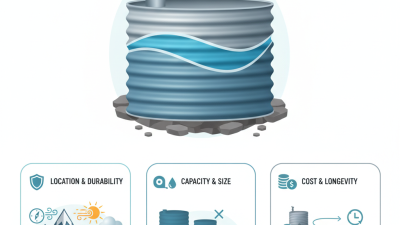
Emergency Water Tank Solutions: Capacity vs. Cost
Maintenance Tips to Ensure Water Quality and Safety
Maintaining the quality of your emergency water tank is crucial. Water can easily become contaminated. Regularly check for signs of algae growth. Use a flashlight to inspect corners and crevices. Cleaning should occur at least twice a year. Use a mixture of vinegar and water for effective cleaning. Rinse thoroughly afterward. Ensuring that your tank is tightly sealed also helps. It prevents dirt and insects from entering.
Monitoring water quality is equally important. Use a simple test kit to check pH levels and bacteria presence. If the water tastes or smells unusual, don’t ignore it. Contaminated water can lead to serious health issues. Consider using a filtration system as an additional layer of protection. Filters can remove harmful impurities. However, remember that filters need changing too.
Reflecting on your maintenance habits is essential. Are you doing enough? Sometimes, people overlook simple tasks. Neglect can lead to significant consequences. Look for leaks or cracks in the tank. These can compromise your water source. Regular maintenance takes time but is necessary for your safety.
Comparing Costs and Benefits of Different Water Tank Solutions
When considering emergency water tank solutions, costs and benefits vary significantly. The two primary options are above-ground tanks and underground tanks.
Above-ground tanks are often more affordable. They are easier to install and maintain. However, they are also more susceptible to temperature fluctuations. In colder climates, water may freeze.
On the other hand, underground tanks offer better insulation. They guard against extreme weather and keep water at a stable temperature. However, installation costs are generally higher. They require excavation and more complex plumbing. It is essential to weigh the initial investment against long-term benefits. Some people overlook the ongoing maintenance needs of underground versions.
An often disregarded factor is accessibility. Above-ground tanks can be easier to access for refills. Yet, they may pose safety concerns if not secured. Underground tanks provide security but might complicate water retrieval. Always think about specific needs before making a choice. An informed decision can make a difference in emergencies.