Top Emergency Water Tank Solutions for Reliable Disaster Preparedness
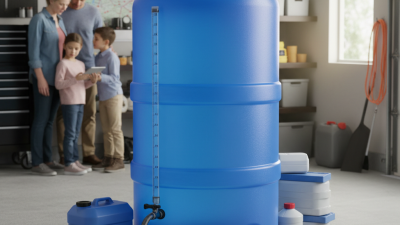
In the face of natural disasters and unexpected emergencies, having a reliable source of water is paramount for ensuring safety and survival. One of the most effective strategies for disaster preparedness is the installation of an Emergency Water Tank. These systems not only provide immediate access to potable water during crises but also enhance the resilience of communities by ensuring that basic hydration needs are met even in the most challenging circumstances. As climate change leads to an increase in extreme weather events, the importance of being well-prepared cannot be overstated.
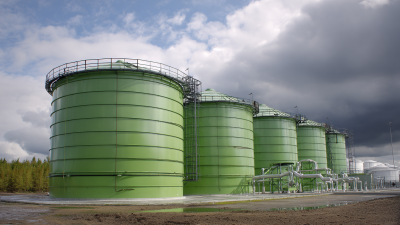
Emergency Water Tanks come in various shapes and sizes, tailored to meet the specific needs of households and larger communities alike. From portable tanks suitable for quick deployments to larger, stationary systems designed for long-term storage, these solutions play a critical role in emergency response planning. Furthermore, advancements in technology have made it easier than ever to equip these tanks with features that ensure water quality and accessibility, making them an indispensable component of any disaster readiness strategy. In this discussion, we will explore the top Emergency Water Tank solutions available, their benefits, and how they contribute to a robust disaster preparedness framework.
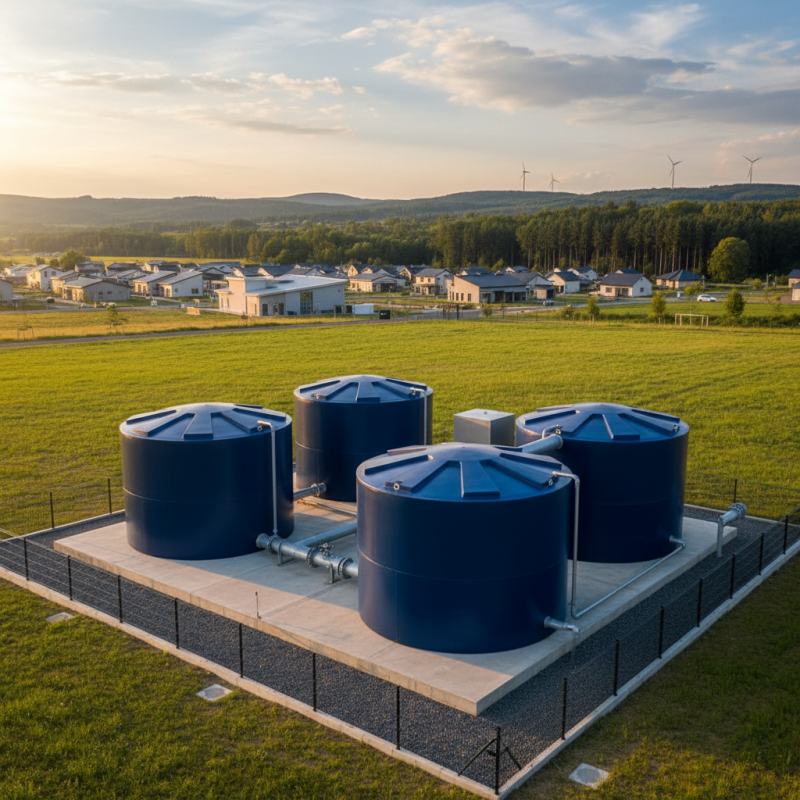
Understanding the Importance of Emergency Water Storage Solutions
In times of disaster, having access to clean water is crucial for survival. Emergency water storage solutions are essential for ensuring that individuals and families can secure their hydration needs during unforeseen events such as natural disasters, power outages, or water supply disruptions. Understanding the importance of establishing a reliable emergency water system can mean the difference between safety and danger when crises arise.
To effectively prepare for potential emergencies, consider implementing a few key tips. First, calculate your water needs based on the number of people in your household and the duration for which you would need backup water. A general guideline is to store at least one gallon of water per person per day for three days. Second, choose water storage containers that are specifically designed for long-term storage. These should be durable, BPA-free, and ideally, have a seal to prevent contamination. For added safety, remember to regularly rotate your stored water supply every six months to ensure freshness.
Additionally, educate yourself and your family on the proper methods of purifying water in case your stored supply runs out. Familiarizing yourself with filtration systems or boiling techniques can be invaluable in a pinch. As you establish your emergency water plan, remember that preparedness not only enhances peace of mind but also fosters resilience in the face of unexpected challenges.
Types of Emergency Water Tanks for Disaster Preparedness
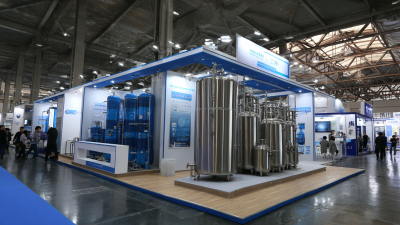
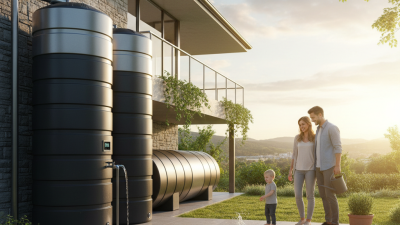
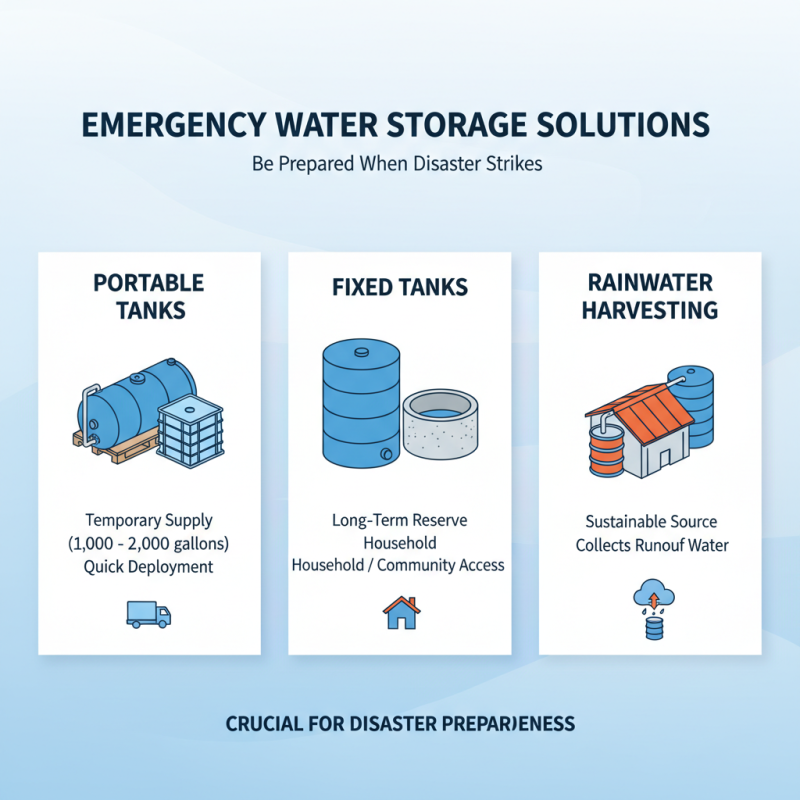
In the face of unpredictable disasters, having access to emergency water tanks can significantly enhance preparedness and response efforts. Various types of emergency water tanks cater to different needs and situations, offering crucial support when municipal water systems fail. The most common types include portable tanks, fixed tanks, and rainwater harvesting systems. According to industry reports, portable tanks can hold anywhere from 1,000 to 20,000 gallons, making them an excellent option for temporary storage during emergencies. Meanwhile, stationary tanks are often used for longer-term solutions, providing a reliable supply of water that can be easily accessed by households or communities.
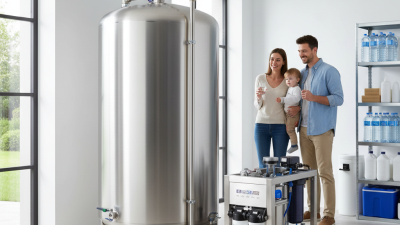
One important tip for effective emergency water storage is to ensure that tanks are made of materials that prevent contamination and algae growth. Tanks constructed from food-grade polyethylene or stainless steel are preferred for preserving water quality. Additionally, it's advisable to routinely check water levels and conduct regular maintenance to prolong the life of the tank and ensure easy access during emergencies.
When considering a rainwater harvesting system, it's essential to evaluate local regulations and the average rainfall in your region to ensure a sustainable water supply. Implementing a first-flush system can also improve water quality by diverting initial runoff away from the tank, which may contain debris and contaminants. This proactive approach not only enhances your disaster preparedness but also promotes responsible water conservation practices.
Key Features to Look for in Reliable Water Tanks
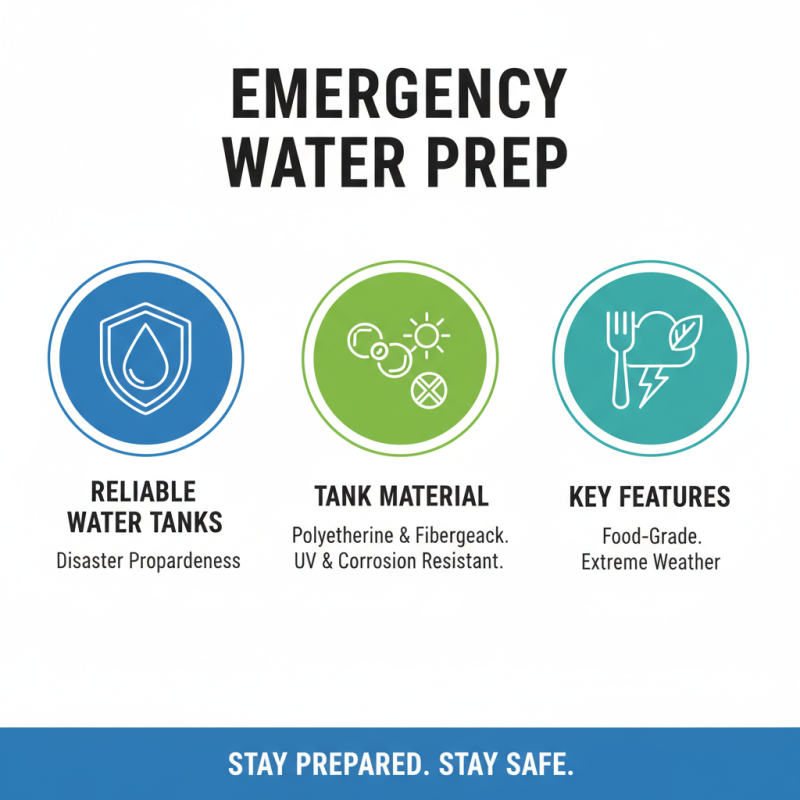
When preparing for emergencies, reliable water tanks play a crucial role in disaster preparedness. One key feature to look for is the material of the tank. Polyethylene and fiberglass tanks are popular for their durability and resistance to UV rays and corrosion. Ensure that the tank is food-grade, which guarantees that the water stored is safe for consumption. Being able to withstand extreme weather conditions is essential, so consider tanks that are specifically designed for high-performance in variable climates.
Another important aspect is the capacity of the water tank. It's advisable to choose a tank with sufficient space to store an adequate supply of water for your household's needs during a disaster. Typically, experts recommend storing at least one gallon of water per person per day for at least three days. As part of your emergency preparations, assess how much water your family would need and select a tank that meets those requirements.
**Tips:** Regular maintenance is vital for ensuring your water tank remains in good condition. Check for leaks and clean the tank periodically to prevent algae and sediment buildup. Also, consider installing a filtration system to ensure that the water you consume is free from contaminants. When selecting a water tank, evaluate its ease of transport and installation, as this could be a significant factor during an emergency situation when time is of the essence.
Best Practices for Maintaining and Storing Emergency Water
When it comes to preparing for emergencies, having a reliable water storage solution is crucial. The Centers for Disease Control and Prevention (CDC) recommends that each person should have at least one gallon of water per day for three days for drinking and sanitation. Therefore, maintaining and storing emergency water properly is essential to ensure its availability and safety when needed.
One of the best practices for storing emergency water is to use food-grade water containers. These containers are designed to prevent chemicals from leaching into the water and should be thoroughly cleaned before filling. Additionally, it’s advisable to store water in a cool, dark place, as heat and sunlight can degrade the quality over time. Regularly checking and refreshing your water supply every six months will also help maintain its safety.
Tips: Keep a written inventory of your emergency water supply along with the date it was filled or last refreshed. This practice not only helps you monitor expiration but also ensures you have easy access to necessary supplies in case of a disaster. Consider using water purification tablets as a backup method for treating stored water, which can enhance safety in emergency situations. Staying informed and prepared will enhance your disaster readiness, ensuring that you and your loved ones are protected when unexpected events occur.
Emergency Water Tank Installation and Setup Guide
Installing and setting up an emergency water tank is a critical step in ensuring you are prepared for disasters. The first step in the process is selecting the appropriate location for the tank. This area should be easily accessible for maintenance and refilling while also protected from potential hazards such as flooding, falling debris, or contamination. It’s essential to choose a flat, stable surface that can support the weight of the full tank, as well as consider proximity to plumbing or drainage systems for ease of water distribution.
Once the location is determined, the installation process can begin. First, ensure the area is cleared and leveled, then follow the manufacturer's guidelines for setting the tank, which typically involves anchoring it securely to prevent tipping or shifting. If the tank requires plumbing connections, a qualified plumber should handle these to ensure they are safe and efficient. After installation, it's crucial to test the system for leaks and to verify that all water flow functions properly. Regular maintenance checks will keep the tank in optimal condition, providing peace of mind that your water supply is reliable during emergencies.
Top Emergency Water Tank Solutions for Reliable Disaster Preparedness