Leave Your Message

2026 How to Choose the Right Pressed Steel Tank for Your Needs?

When considering a Pressed Steel Tank, the choices available can be overwhelming. Industry expert John Smith once said, “Selecting the right tank is crucial for optimal performance and longevity.” This emphasizes the importance of careful selection. Understanding your specific needs is the first step.

Pressed Steel Tanks offer durability and efficiency. They are often used for storage in various industries. However, not all tanks are created equal. Some may lack the features necessary for your unique requirements. Evaluating size, capacity, and design is essential.

Many users overlook these considerations. Some choose based on price alone, which can lead to future issues. Reflecting on past experiences may guide better decisions. A well-chosen Pressed Steel Tank can save money and time in the long run. It’s worth taking the time to ensure you choose wisely.

2026 How to Choose the Right Pressed Steel Tank for Your Needs?

Understanding Pressed Steel Tanks and Their Applications

2026 How to Choose the Right Pressed Steel Tank for Your Needs?

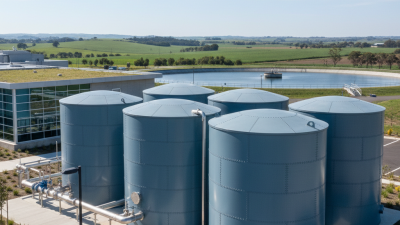
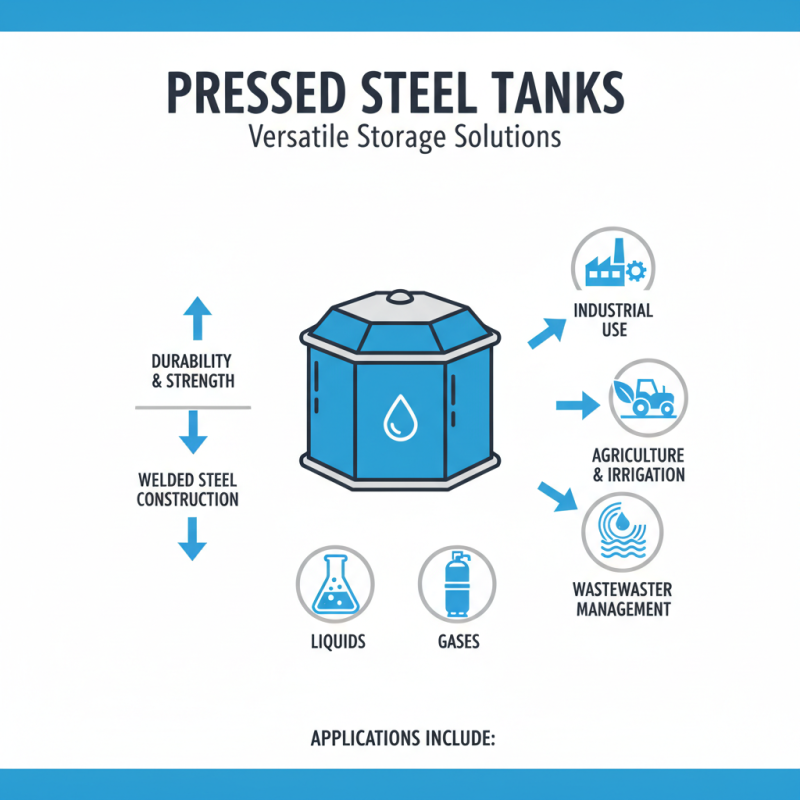
Pressed steel tanks are versatile storage solutions. They are made from welded steel and offer durability and strength for various applications. These tanks can hold liquids and gases, making them ideal for industries such as agriculture, construction, and wastewater management.

When selecting a pressed steel tank, consider its intended use. For instance, agricultural tanks often need to withstand chemicals. Construction tanks might require higher capacity for temporary sites. It's essential to evaluate the tank's specifications, such as thickness and corrosion resistance, to ensure it meets your needs. Not every tank is suitable for every application; make sure to verify compatibility.

Installation can also pose challenges. Ensure your site is prepared, as improper setup can lead to leaks. Additionally, consider maintenance requirements, as regular checks are crucial for longevity. Understanding these details can prevent future issues. Choosing the right tank requires careful thought. It’s not always straightforward, and mistakes can be costly. Reflecting on these aspects ensures a better fit for your needs.
Key Factors to Consider When Selecting a Pressed Steel Tank

Choosing the right pressed steel tank involves several key factors. First, you need to consider the size. Tanks come in various capacities. Make sure the size meets your specific needs. A tank that is too small can lead to constant refills. On the other hand, an oversized tank occupies unnecessary space.

Next, think about the operating environment. Will the tank be indoors or outdoors? Indoor tanks might need less protective coating. Outdoor tanks require more durable materials to withstand the elements. Also, pay attention to the weight of the tank. Heavier tanks can offer stability but may be harder to install.

Lastly, consider your budget. Cheap options might save money upfront but can lead to higher maintenance in the long run. Balancing cost and quality is crucial. Always read reviews and gather feedback before making a decision. Mistakes in selection can lead to lasting consequences. Think carefully to avoid future regrets.

2026 How to Choose the Right Pressed Steel Tank for Your Needs?

Factor Description Considerations
Capacity Determine the volume of the tank needed for your application. Consider future expansion and peak usage times.
Material Quality Evaluate the grade of steel used for durability and resistance. Look for corrosion-resistant materials for longevity.
Design and Construction Consider the design standards and construction methods used. Select designs that meet safety and regulatory standards.
Location Assess the location where the tank will be installed. Consider environmental factors like temperature and weather conditions.
Maintenance Understand the maintenance requirements for the tank. Factor in accessibility for regular inspections and repairs.
Cost Budget for initial purchase and ongoing maintenance costs. Compare different options and consider total cost of ownership.
Regulatory Compliance Ensure the tank meets local and national regulations. Check for necessary certifications and permits required.

Assessing Size and Capacity Requirements for Your Project

2026 How to Choose the Right Pressed Steel Tank for Your Needs?

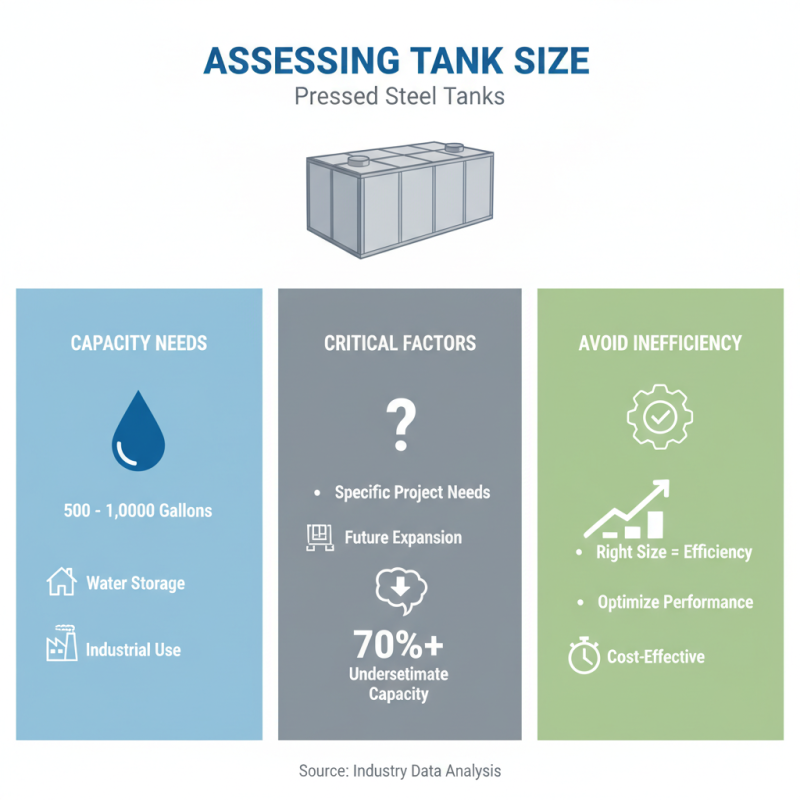
When considering a pressed steel tank, size and capacity are critical. Identify the specific needs of your project. A common requirement is a capacity range of 500 to 10,000 gallons. This range can cater to various applications, including water storage and industrial use. Data shows that over 70% of users underestimate their capacity needs. This often leads to inefficiencies.

Evaluate the dimensions of the site. Ensure there is adequate space for installation. The height, width, and overall footprint of the tank will impact your choices. Many experts recommend allowing an extra 10-15% in capacity for unexpected future demands. Ignoring this can result in costly modifications down the line.

Assess environmental factors too. Temperature and climate can influence the tank's material integrity. A standard endurance rating for steel tanks varies between 15 to 30 years. Understanding these factors will prevent long-term pitfalls. Moreover, keep in mind that installation errors may arise. Miscalculations are common and can complicate your project. Balancing size with practical requirements is essential.

Evaluating Quality and Durability of Pressed Steel Tanks

When evaluating pressed steel tanks, quality and durability are crucial factors. These tanks often serve vital roles in various industries. They need to withstand different conditions, from extreme temperatures to heavy usage. It’s essential to look at the materials used in construction. High-quality steel can significantly affect performance.

Inspect for coatings that provide corrosion resistance. This feature is often overlooked but vital for long-term use. A tank may look perfect externally but can still corrode internally. Consider the welding techniques too. Poor welding can lead to leaks or structural failures. Pay attention to the tank's design; it should facilitate effective maintenance.

Don't forget to analyze customer reviews and user experiences. Sometimes, a highly praised tank could underperform in real-world applications. Assessing the tank’s age and lifespan is necessary as well. Older models may lack the advancements in technology. It's all about finding a balance between cost, quality, and durability. Reflecting on these aspects will lead to a better choice.

Maintenance Tips for Maximizing the Lifespan of Your Tank

Maintaining a pressed steel tank is crucial for longevity and efficiency. Regular inspections can help identify potential issues before they become major problems. According to a 2022 industry report, proper maintenance can extend a tank's lifespan by up to 30%. Rust and corrosion are common threats, often resulting from moisture exposure. It's essential to check for leaks and areas of wear routinely.


Cleaning the tank regularly prevents sediment buildup and ensures optimal performance. Sediment can lead to inefficiency and increased wear. The American Society of Mechanical Engineers recommends cleaning schedules based on usage. For instance, tanks used in harsher environments may require monthly checks. Simple tasks, like removing debris and inspecting seals, contribute significantly to long-term durability.


Don’t overlook the importance of proper installation. Even the best tank can underperform if improperly set up. Misalignment can lead to stress and premature failure. A 2023 survey revealed that around 25% of tank failures stem from installation errors. Knowledge of these factors is essential for making informed decisions. Regular maintenance and installation checks are vital for maximizing the lifespan of your pressed steel tank.