How to Choose the Right Overhead Tanks for Your Home?
Choosing the right overhead tanks for your home is essential. These tanks play a crucial role in ensuring a consistent water supply. According to water systems expert John Davis, "The right overhead tank can make or break your home's water pressure." This statement highlights the importance of proper selection.
Many factors influence your choices. Consider size, material, and capacity. A larger tank might not always be the best fit. Some homes with limited space struggle to accommodate bigger tanks. Others may find that smaller tanks lead to frequent refills, disrupting daily routines.
Maintenance is another critical aspect. Overhead tanks require regular checks. Stagnant water can lead to health risks. A neglected tank can also reduce water quality. Reflect on these points when selecting the best overhead tank for your home. Remember, the right choice impacts daily living, so make it wisely.
Understanding the Purpose of Overhead Tanks in Home Water Systems
Overhead tanks play a critical role in home water systems. They store water for various uses, including drinking, bathing, and irrigation. The capacity of these tanks often varies from 500 to 5000 liters, depending on family size and daily water demand. Research indicates that a standard household needs around 135 liters per person daily. However, many homes underestimate this requirement, leading to inadequate supply during peak usage.
Properly sizing an overhead tank is essential yet challenging. Many homeowners opt for smaller tanks to save costs. Nonetheless, this decision could result in water shortages. A study by the International Water Association found that nearly 45% of homes experience water supply issues due to insufficient tank sizes. It's also critical to consider tank material, as plastic and concrete both have unique advantages and disadvantages. For instance, plastic tanks can be lightweight but may degrade under UV exposure. Concrete tanks last longer but can be more expensive and harder to install.
In an age of climate change, conserving water is vital. Many homeowners still overlook rainwater harvesting systems. Integrating such systems with overhead tanks can significantly reduce dependency on municipal water. Yet, not all homes are equipped to optimize this potential. Understanding these nuances is key in making informed decisions about overhead tanks and ensuring a reliable water supply.
Water Usage in Different Areas of a Home
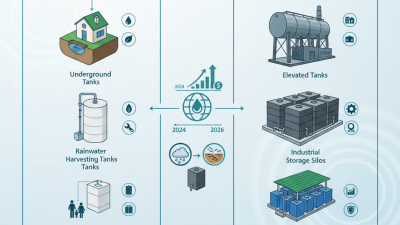
Types of Overhead Tanks: Materials and Designs for Diverse Needs
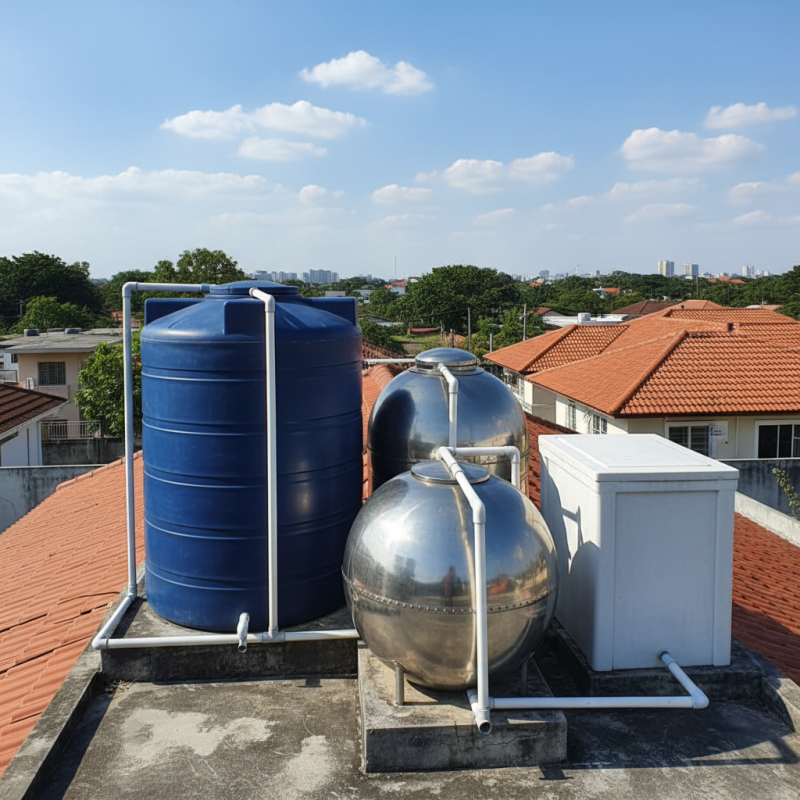
When selecting overhead tanks, understanding the types available is crucial. Tanks can be made from various materials, including plastic, metal, and concrete. Each material offers unique benefits. For example, plastic tanks are lightweight and resistant to rust. Metal tanks are durable but can corrode if not properly maintained. Concrete tanks provide strength but can be expensive.
Designs vary, too. Vertical tanks save space, while horizontal tanks are often easier to install. Size is also critical. A 1,000-liter tank might suffice for a small family, but larger households need more capacity. According to recent industry reports, choosing the right tank can impact water quality and supply efficiency significantly.
Tips: Always consider the local climate. Temperature fluctuations can affect tank integrity. Regular maintenance helps avoid leaks. Remember, cheaper options might lead to more costs later. A good balance between price and quality is essential. Evaluate your specific needs and consult with professionals. Sometimes, a more costly upfront investment can save you money over time.
Assessing Water Storage Capacity: Determining Your Home's Requirements
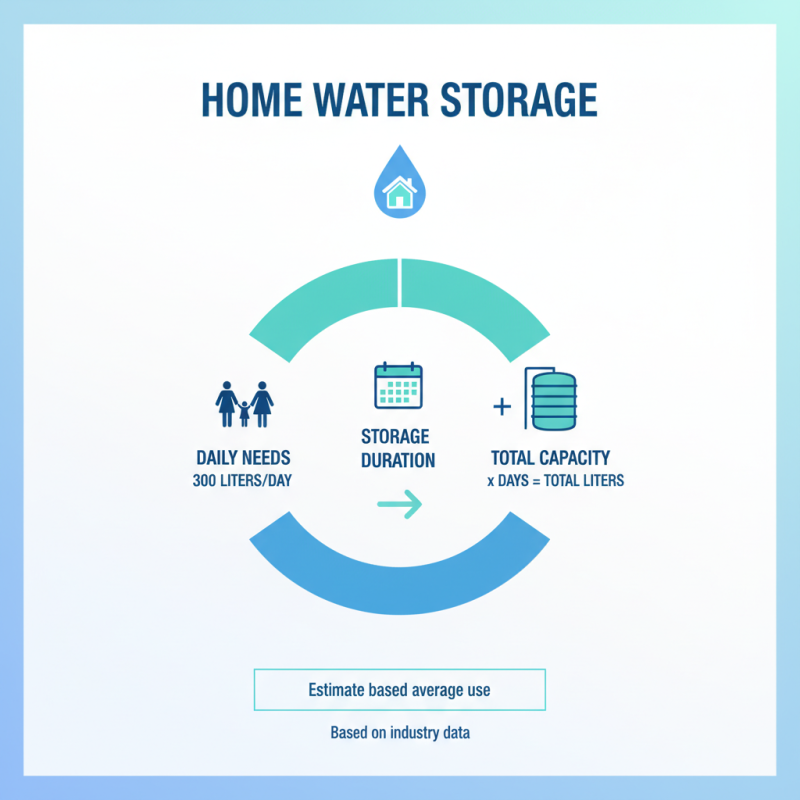
When assessing the water storage capacity for your home, consider your daily needs. According to industry data, an average household consumes about 300 liters of water daily. This figure can vary based on factors like the number of occupants and lifestyle habits. Multiplying your daily consumption by the number of days you want to store water will give you a clearer picture.
Take into account the size of your family. For a family of four, aiming for a capacity of 1,500 to 2,400 liters is often recommended. However, this standard might not fit every household. If you have high water usage due to gardening or frequent guests, your needs could be higher.
Reflect on the available space for installation. Some homes simply can't accommodate large tanks. Additionally, water quality is often overlooked. Without proper filtration, stored water can become a breeding ground for bacteria. Regular maintenance and cleaning are critical. Even the best tanks require diligence. Ignoring these aspects can lead to poor quality water, rendering your storage useless.
Key Factors to Consider When Selecting an Overhead Tank Location
Choosing the right location for your overhead tank is crucial. It impacts water pressure and overall efficiency. Consider the height of the installation. Higher tanks offer better pressure but require sturdy support. A weak base can lead to serious issues.
Next, think about accessibility. Your tank should be easy to reach for maintenance. If it's too high or tucked away, repairs can become a hassle. Visibility is key for monitoring water levels. Regular checks can prevent unexpected shortages.
Environmental factors also play a role. Avoid placing the tank in areas prone to leaks or flooding. Sunlight exposure can affect water quality. Shade can be beneficial for longer-term water storage. Finally, reflect on existing plumbing. Poor integration can lead to inadequate water flow. Take time to evaluate all these aspects before making a decision. These details may seem minor but can have a significant impact.
How to Choose the Right Overhead Tanks for Your Home? - Key Factors to Consider When Selecting an Overhead Tank Location
| Factor |
Consideration |
Recommended Value |
| Size |
Depends on household size and water usage |
500 - 2000 liters |
| Material |
Durability and resistance to corrosion |
Plastic or steel |
| Location |
Avoid direct sunlight and heat sources |
Roof or elevated platform |
| Accessibility |
Ease of maintenance and inspection |
Accessible location |
| Water Quality |
Impact on the purity and taste of water |
Must prevent algae growth |
| Cost |
Budget considerations for installation |
Varies based on size and material |
Maintenance Tips for Ensuring Optimal Performance of Overhead Tanks
Maintaining overhead tanks is crucial for their longevity and performance. Regular
inspection can prevent significant issues. Check for leaks or cracks monthly. Small drips can lead to larger problems over time.
According to industry reports, systematic maintenance can enhance tank lifespan by up to 30%.
Water quality is another key factor. Ensure tanks are cleaned every six months. This helps avoid sediment buildup and algae growth.
Polluted water can affect plumbing and health. Research indicates that neglected tanks can harbor bacteria,
leading to potential health risks.
Lastly, monitor water levels frequently. Overfilled tanks can cause overflow, leading to structural damage.
Empty tanks may strain the pump system. A balanced level ensures efficient water delivery.
Adopting a routine can highlight any irregularities, fostering better decision-making for repairs.
Balancing maintenance with daily use creates an effective water management system.