How to Choose the Best Fiber Water Tank for Your Needs?
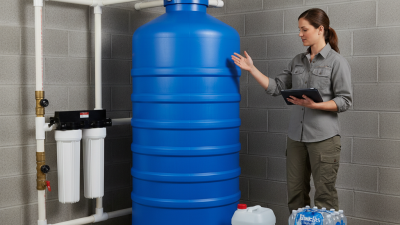
Fiber water tanks have become a crucial solution for water storage across various industries. These tanks are known for their durability and lightweight characteristics. In a recent report by the Water Storage Association, the demand for fiber water tanks has seen a significant increase, with a growth rate of 15% annually over the past five years. This rise is driven by their versatility and ability to withstand harsh environmental conditions.
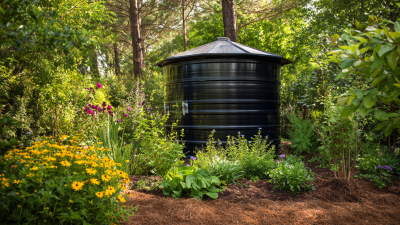
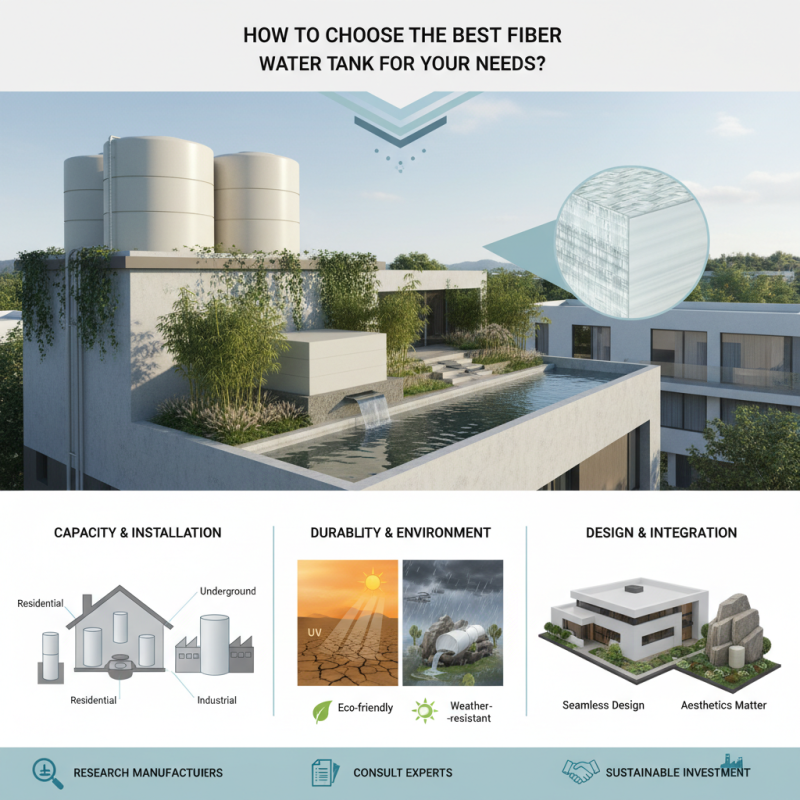
When considering a fiber water tank, evaluating specific needs is essential. Factors such as capacity, installation space, and potential exposure to elements should be at the forefront of decision-making. It's not just about function; aesthetics and compatibility with existing structures also matter. Reports indicate that 70% of users prefer tanks that blend well with their surroundings, underscoring the importance of design.
However, not every fiber water tank on the market meets high standards. Quality can vary widely across manufacturers. A buyer must research and consult reputable sources or industry experts. This diligence ensures that your investment leads to sustainable water storage solutions, rather than costly repairs or replacements.
Understanding Fiber Water Tanks: Types and Materials
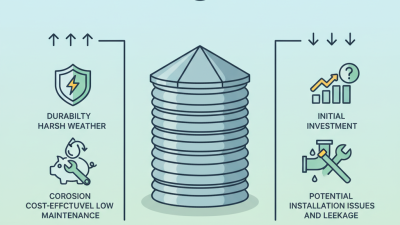
Fiber water tanks have become increasingly popular due to their durability and versatility. Understanding the types and materials of these tanks can guide users in making the right choice for their specific needs. Generally, fiber water tanks are made from fiberglass, polyester, or reinforced plastic. Fiberglass tanks, for example, are known for their resistance to corrosion. Reports indicate that they can last over 30 years with proper care, making them a long-term investment.
Polyester tanks are another option. They are lightweight and easier to install, often favored for residential use. Nevertheless, polyester may have a shorter lifespan compared to fiberglass, typically around 10-15 years. This disparity highlights the importance of assessing your requirements carefully. Reinforced plastic tanks present a more cost-effective alternative. However, their durability and UV resistance might not match that of fiberglass tanks.
Choosing the right material involves evaluating your specific conditions. Factors such as local climate, intended use, and budget play crucial roles. For instance, if you live in an area with extreme weather, a fiberglass tank may save future replacement costs. Understanding these material characteristics can significantly influence your decision-making process. Prospective buyers should reflect on these aspects before finalizing their choice.
Comparison of Fiber Water Tank Materials
Key Factors to Consider When Choosing a Fiber Water Tank
When choosing a fiber water tank, several key factors require consideration. The size of the tank is crucial. Match it to your water storage needs. A smaller tank may not suffice for larger households. Conversely, a tank too large could lead to wasted space.
Material quality significantly affects durability. Fiber tanks are praised for their resistance to corrosion and UV rays. However, not all fiber materials are created equal. Ensure you select a tank built to last. Research the manufacturer’s reputation and check for certifications.
Tips: Always inspect the tank's joints for stability. Weak joints can lead to leaks over time. Look for insulation features if you live in extreme temperatures. It helps maintain water temperature.
Another factor is portability. If you might move the tank, lightweight models are ideal. However, ensure that lightweight doesn't compromise strength. It's a delicate balance between usability and quality.
Tips: Test your tank with water before the full installation. This step will reveal any immediate leaks. Don’t overlook the importance of maintenance access, either. A tank that's hard to reach can become problematic.
Industry Standards and Certifications for Fiber Water Tanks
When choosing a fiber water tank, understanding industry standards and certifications is crucial. These standards ensure that the tanks meet safety and performance requirements. Look for certifications from recognized organizations, which indicate that the tank has undergone rigorous testing. Compliance with these standards can provide peace of mind, knowing the product is reliable.
Many factors impact the quality and durability of fiber water tanks. Some tanks may not meet the required pressure ratings or resistance to environmental factors. It’s essential to assess the materials used during manufacturing. Tanks made with subpar materials may not last long. Research the relevant certifications to ensure product longevity and safety.
Don't overlook the importance of proper installation and maintenance. Installing a certified tank does not guarantee efficiency if it is not maintained properly. Look for guidelines that discuss care and upkeep. Engaging with industry experts can provide necessary insights on the best practices. The decision process can be complicated, but informed choices lead to better outcomes.
How to Choose the Best Fiber Water Tank for Your Needs?
| Dimension |
Description |
Industry Standard |
Certification |
| Capacity |
Volume of water the tank can hold (liters) |
ISO 9001 |
NSF/ANSI 61 |
| Material |
Type of fiber used (e.g., fiberglass) |
ASTM D3299 |
ISO 14644 |
| Durability |
Resistance to impact and weather conditions |
ASTM E84 |
UL Listed |
| Installation |
Ease of setup and maintenance requirements |
ISO 14001 |
CE Marking |
Comparing Costs: Fiber Water Tanks vs. Traditional Materials
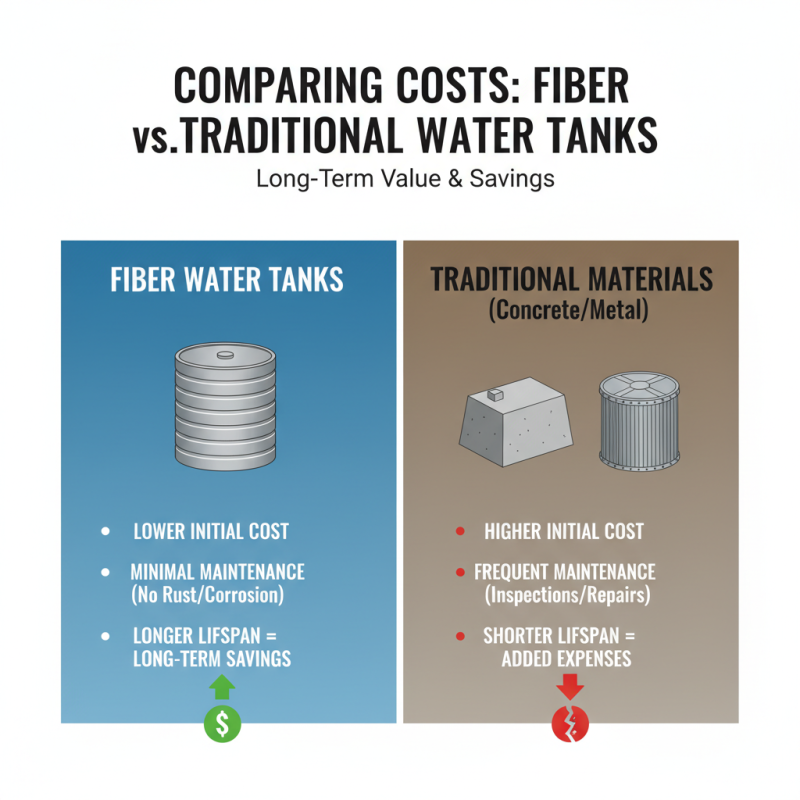
When considering fiber water tanks versus traditional materials, cost is a significant factor. Fiber tanks typically offer a more cost-effective solution, especially in the long run. They require less maintenance due to their resistance to corrosion and rust. Traditional materials like concrete or metal can incur extra expenses over time. For example, they may need regular inspections and repairs to address wear and tear.
However, the initial investment in fiber tanks can still be higher than traditional options. Some may hesitate due to the upfront cost. It's crucial to evaluate the total lifecycle cost. Fiber tanks generally prove to be a wiser choice with their durability.
Another aspect to keep in mind is the efficiency of installation. Fiber water tanks are often lighter and easier to transport. This can lead to reduced installation costs. Yet, not all projects will benefit equally from these advantages. Evaluating your specific needs is vital. Consider factors such as installation site, purpose, and expected lifespan.
Maintenance and Longevity of Fiber Water Tanks in Various Environments
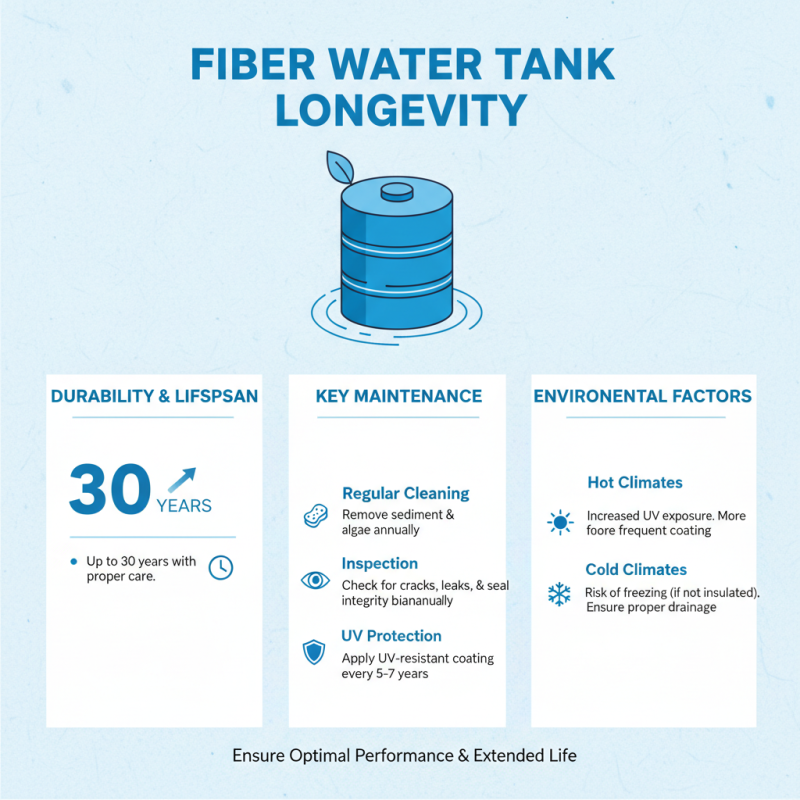
Fiber water tanks are becoming increasingly popular due to their durability and lightweight characteristics. However, understanding their maintenance and longevity in different environments is crucial. Research shows that fiber water tanks can last up to 30 years with proper care. Yet, they do require specific maintenance routines to ensure optimal performance.
In humid environments, fiber tanks are susceptible to mold and algae growth. Regularly inspecting and cleaning the tank is essential. It is advisable to use non-toxic cleaning agents to avoid pollution. A study highlighted that tanks in coastal areas may corrode faster due to salt exposure. Therefore, monitoring for cracks and performing timely repairs can extend the tank's life significantly.
Interestingly, temperature fluctuations impact the integrity of fiber tanks. Extreme heat can warp the structure, while cold can make it brittle. Insulating the tank is a viable solution, but it adds complexity to maintenance. Neglecting these conditions can lead to unforeseen failures. Ensuring that owners understand these challenges can help in choosing the right tank for their specific needs.