How to Choose the Right Reservoir Tanks for Your Needs?
Choosing the right Reservoir Tanks can be a challenging task. Many factors influence your decision. Understanding your specific needs is crucial. Reservoir Tanks come in various sizes and materials. Each option has its pros and cons.
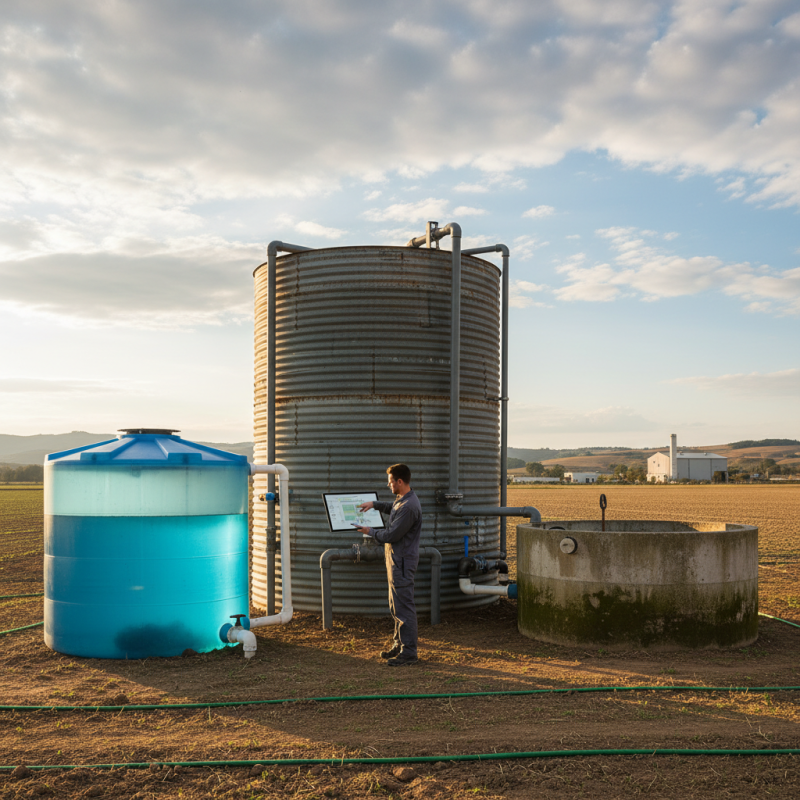
When selecting a tank, consider the purpose. Are you storing water for irrigation or industrial use? This impacts the size and design. You might find yourself unsure about material options. For example, plastic tanks are lightweight but less durable than steel ones. It’s essential to match the tank with your environment and needs.
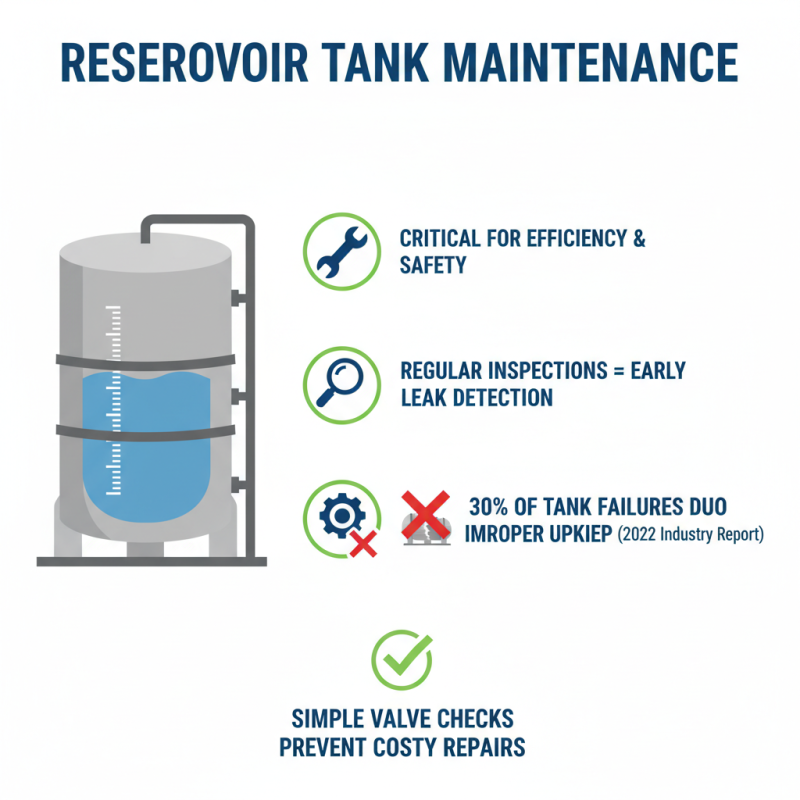
Look into the maintenance requirements, too. Some tanks need more upkeep than others. Do you have the resources to maintain your chosen model? Reflect on these questions carefully. The right choice could enhance efficiency. Conversely, a poor decision could lead to frustration and waste. Think deeply about your requirements before making a purchase.
Factors to Consider When Selecting Reservoir Tanks
Choosing the right reservoir tanks involves several critical factors. Understanding your specific needs is essential. Consider the size of the tank. A larger tank can store more water but may occupy valuable space. According to the Water Environmental Federation, water storage capacity directly affects your operational efficiency.
Material choice is another vital consideration. Tanks made of polyethylene are corrosion-resistant and lightweight. In contrast, steel tanks offer durability and structural strength. A study by the American Water Works Association indicates that material can influence the lifespan and maintenance requirements of the tank.
Tip: Assess your local climate. Extreme temperatures can impact certain materials more than others. Make sure to choose a tank that withstands local environmental conditions.
Also, think about the tank's intended use. Will it be for potable water, irrigation, or industrial applications? Each use has different standards and requirements. The National Institute of Standards and Technology outlines specific guidelines for each application, which can require careful assessment during the selection process.
Tip: Don’t forget to evaluate the placement area for the tank. Uneven terrain might require a foundation for support, and installation costs can add up. An unclear site plan can lead to unforeseen issues.
Reservoir Tanks Selection Factors
Types of Reservoir Tanks and Their Applications
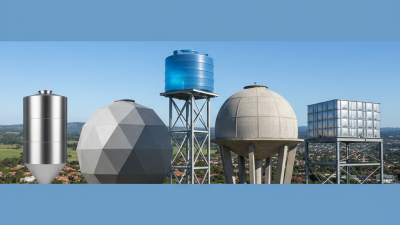
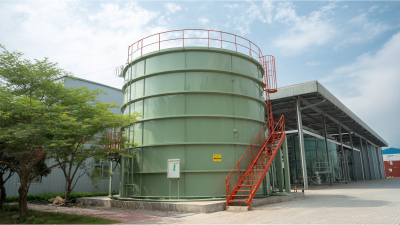
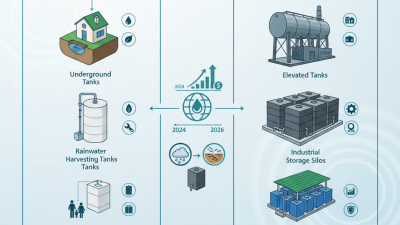
When selecting reservoir tanks, understanding the various types is crucial. There are primarily three categories: above-ground, underground, and prefabricated tanks. Above-ground tanks are versatile and easy to access. They are ideal for storing water or chemicals. However, they can be vulnerable to weather conditions. In colder climates, they may require insulation.
Underground tanks are often used for larger storage needs. They are hidden from view, which is aesthetically pleasing. These tanks can be more costly to install. Maintenance can also be a challenge. It's important to consider local soil conditions. This can affect installation and longevity. Prefabricated tanks, on the other hand, can be custom-made. They are adaptable and can fit various applications. However, customization can lead to longer production times.
Choosing the right tank involves assessing specific needs. How much capacity do you require? What materials will you store? Reflecting on these questions is vital. Each tank type has advantages and drawbacks. Balancing your budget, capacity, and site conditions is necessary. Sometimes, decisions may feel overwhelming, but careful considerations lead to better results.
Sizing Your Reservoir Tank: Capacity and Dimensions
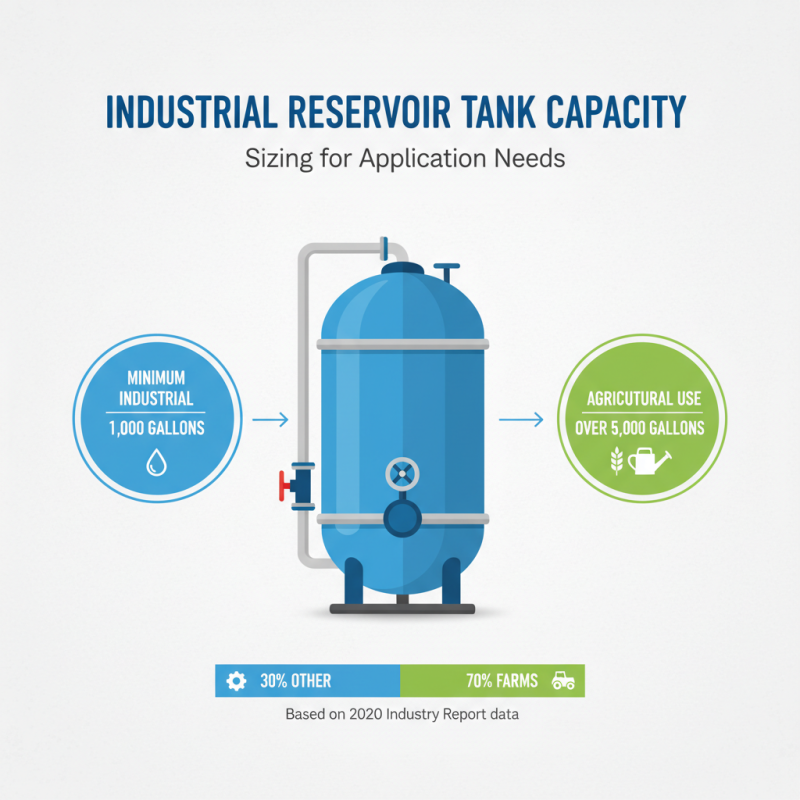
When sizing a reservoir tank, capacity is key. Industrial data suggest that many applications require a minimum capacity of 1,000 gallons to ensure functionality. Yet, the exact amount varies based on use. For instance, agricultural settings may demand larger tanks due to higher water consumption rates. According to a 2020 industry report, nearly 70% of farms need over 5,000 gallons to optimize irrigation.
Consider dimensions as well. A tank's height and width can affect installation. For example, a tall, narrow tank can fit in tight spaces but may need additional support. Conversely, a shorter, wider tank could be more stable. If you overlook this, you might face structural issues.
People often forget the environmental factors. In colder climates, reservoir tanks must be insulated. A report from the National Storage Association states that inadequate insulation can lead to a 25% increase in heating costs. This can severely affect small businesses. Reflect on these factors while choosing your tank. Opting for the right size can save both money and hassle in the long run.
Material Choices for Reservoir Tanks: Pros and Cons
When selecting a reservoir tank, material choice is vital. Different materials have unique benefits and drawbacks. For instance, polyethylene tanks are lightweight and resistant to corrosion. They can endure various environmental conditions, making them popular for many applications. However, they may not withstand extreme temperatures as well as other materials.
Metal tanks, such as stainless steel, offer excellent strength and longevity. They resist harsh conditions and provide a sterile environment for liquids. But they often come with a higher price tag. Furthermore, they can be susceptible to rust if not properly maintained. These factors can impact long-term costs and operational efficiency.
Consider fiberglass tanks as another option. They are robust and resistant to chemicals. Yet, they can be prone to cracking under certain conditions. Evaluating how the tank will be used is crucial. Oversights in materials can lead to inefficiencies or costly repairs. Balancing initial costs with durability is essential for long-term satisfaction.