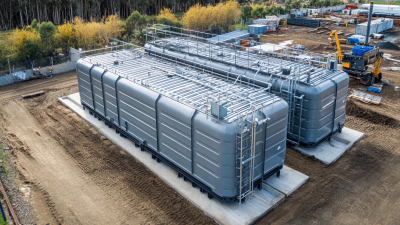
How to Choose the Right Corrugated Steel Water Tank for Your Needs?
Choosing the right Corrugated Steel Water Tank can be a daunting task. Many factors come into play, from size to installation requirements. As expert John Smith, a leading figure in the water storage industry, once said, "Selecting the correct tank is critical; it impacts both quality and longevity."
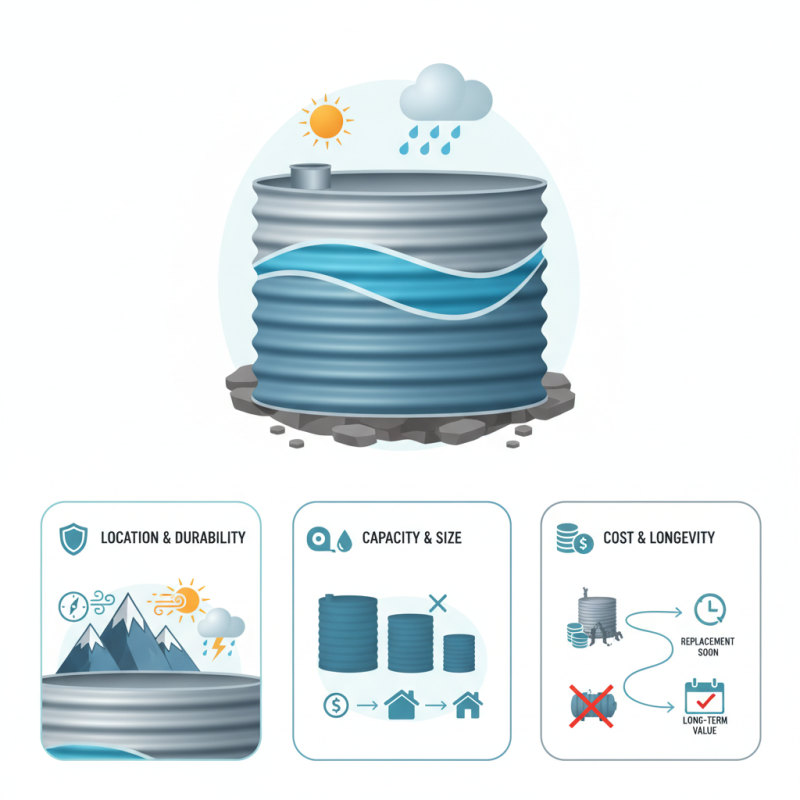
Understanding your specific needs is essential. Consider the location where the tank will be placed. Will it endure extreme weather? Corrugated steel is often praised for its durability, but even it has limits. You need to think about the capacity as well. Bigger isn't always better; a well-sized tank can save money and space.
Price is a crucial consideration, yet it shouldn’t be the only factor. Sometimes, low-cost options may lack necessary features or quality. Reflect on your long-term needs. Cheaper tanks may require replacements sooner than expected, leading to higher costs eventually. Make a comprehensive evaluation before making your decision.
Understanding the Advantages of Corrugated Steel Water Tanks
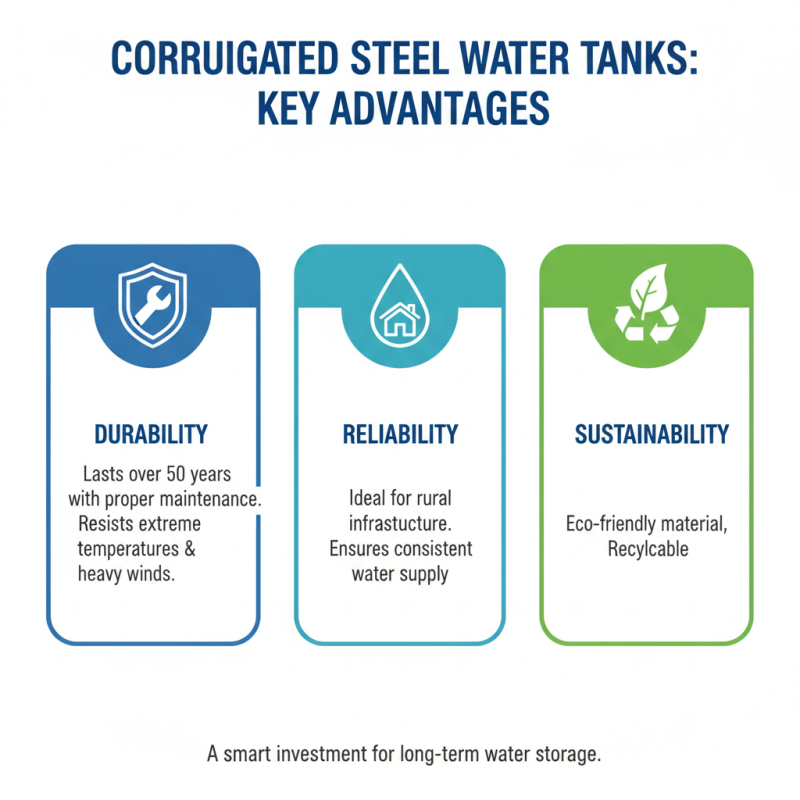
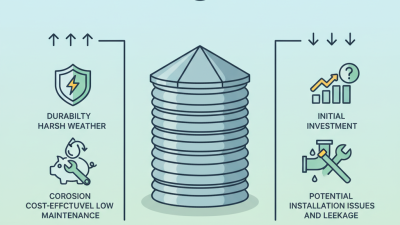
Corrugated steel water tanks offer numerous advantages that make them a popular choice for many applications. Their durability is noteworthy. According to industry reports, these tanks can last over 50 years with proper maintenance. This longevity is particularly beneficial for rural areas where infrastructure may be lacking. They can withstand harsh environmental conditions such as extreme temperatures and heavy winds, ensuring reliability.
The ease of installation is another critical factor. Many corrugated steel tanks come in pre-fabricated sections. This feature allows quicker assembly on site. Additionally, their lightweight nature simplifies transportation. However, installation may still pose challenges without the right expertise. Some users have reported difficulties in ensuring the tanks are level. This oversight can lead to uneven water distribution and structural issues.
Water quality is often a concern for tank users. Corrugated steel's resistance to corrosion is a significant advantage. Yet, if not properly coated, rust can develop, affecting water safety. A study indicated that up to 30% of users faced issues with corrosion due to inadequate coatings. Understanding the importance of regular inspections can prevent costly repairs. While corrugated steel tanks provide many benefits, careful consideration is needed to avoid potential pitfalls.
Assessing Your Water Storage Needs: Size and Capacity Considerations
When choosing a corrugated steel water tank, size and capacity are key factors. Start by assessing your water storage needs. Consider how much water you need daily. Think about the number of people in your household. Also, consider potential future growth.
A practical tip: Calculate your daily water usage. Multiply the number of people by their daily consumption. This gives you a baseline. Remember, additional water might be needed for watering plants or cleaning. Your tank should accommodate all these factors without overextending your space or budget.
Evaluate the space where you will place the tank. Is it large enough for the tank you desire? You also need to check local regulations. Sometimes, restrictions on tank sizes exist. It’s essential to do this research.
Take your time to reflect on these aspects. A wrong choice can lead to storage issues later. Don’t rush into a decision. Look at a few different sizes before making a final choice. It’s better to have options. Choose wisely.
Exploring Material Quality and Durability in Steel Water Tanks
When choosing a corrugated steel water tank, material quality and durability are key factors.
Steel quality significantly impacts lifespan. Higher grades resist corrosion and wear.
Thick walls enhance strength but may add weight. Consider the environment.
Tanks in coastal areas need extra protection against salt water.
Durability relates to how well the tank endures various conditions.
Temperature fluctuations can affect structural integrity. Tanks should withstand extreme weather.
A poorly constructed tank may develop leaks. Readiness to deal with dents and rust is crucial.
Regular maintenance checks are necessary but often overlooked.
Reflect on the installation process. Proper setup can prevent future issues. Skipping foundational checks can lead to instability.
A tank placed on uneven ground may not last long. Assess your needs realistically.
Sometimes a lower-cost tank might seem appealing but could cost more in repairs later.
Evaluating Budget and Cost Efficiency for Water Tank Investments
When considering a corrugated steel water tank, understanding your budget is crucial. Prices can vary significantly based on size and features. Establish how much you are willing to spend before diving into options. Factor in not just the initial cost but also the long-term investments. Maintenance and durability can affect overall expenses.
Tip: Calculate the total cost of ownership. This includes installation, maintenance, and energy consumption. Invest in a tank that suits your needs without overspending. It’s easy to get drawn to larger or more advanced models, but this can lead to overspending.
Think about the size needed for your applications. A small tank may suffice for personal use, while larger demands call for bigger capacities. But purchasing a bigger tank does not always mean investing wisely. You might end up paying for excess capacity you do not need. Assess your actual water usage thoroughly.
Tip: Consider future needs. If your requirements are likely to grow, a slightly larger tank might be prudent. However, avoid purchasing a tank that will remain underutilized. Reflect on your needs and test feasibility before deciding. Balancing budget with functionality is key to a wise investment.
Evaluating Budget and Cost Efficiency for Water Tank Investments
Locating Reliable Suppliers and Installation Services for Water Tanks
When choosing a corrugated steel water tank, locating reliable suppliers and installation services is crucial. Start by researching local suppliers. Check their online presence and customer reviews. Look for contractors who specialize in installation. This ensures that your tank is set up correctly.
Ask for recommendations from friends or local businesses. Personal experiences can lead to trustworthy options. Contact suppliers directly. Ask about warranties and maintenance services. A good supplier should offer ongoing support after installation. This can help you avoid common issues in the future.
Consider visiting suppliers’ facilities. This offers insight into their operations and quality control. Engaging with staff can also give you a feel for their expertise. Be cautious of overly eager sales tactics. Take your time to evaluate options fully. Investing time in finding the right supplier can lead to long-term satisfaction.