How to Choose the Right Fire Water Storage Tank for Your Needs?
Choosing the right Fire Water Storage Tank is crucial for effective fire protection. As industry expert John Smith, a certified fire safety engineer, says, “Selecting a tank requires careful consideration of both capacity and location.” The right tank can prevent disasters and ensure safety.
Fire Water Storage Tanks come in various sizes and materials. Each option has unique benefits. Consider your specific needs, including local regulations and space. A well-placed tank can make a substantial difference in emergency situations.
However, many overlook the importance of maintenance and inspections. Regular checks can identify potential issues before they escalate. Remember, a Fire Water Storage Tank is not just a purchase; it’s an investment in safety. Assessing your needs thoughtfully can save lives and resources.
Understanding Types of Fire Water Storage Tanks Available
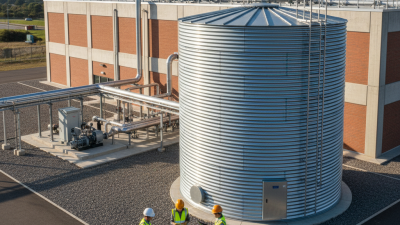
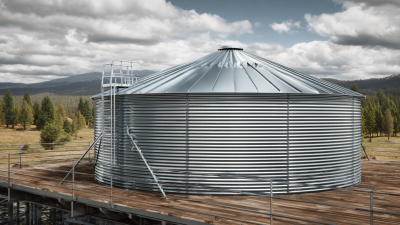
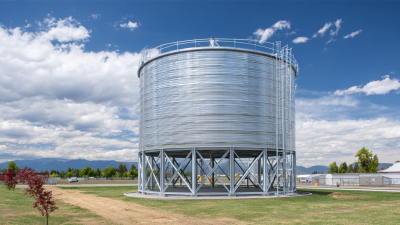
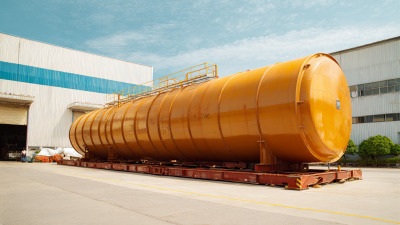
When selecting a fire water storage tank, understanding the types available is vital. Tanks generally fall into two categories: above-ground and underground. Above-ground tanks offer easier access and often lower costs. However, they are more exposed to environmental factors. In contrast, underground tanks provide superior protection against heat and physical damage but can be more expensive to install and maintain.
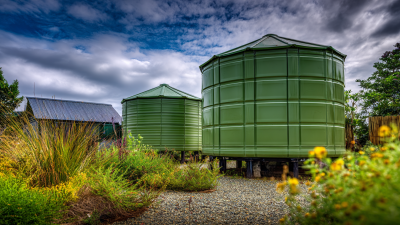
According to the Fire Protection Research Foundation, the capacity of these tanks should meet local fire code requirements, which may require anywhere from 1,500 to over 20,000 gallons. Choosing the right material—steel, fiberglass, or polyethylene—is essential. Steel tanks are robust but can corrode. Fiberglass is often lighter and resistant to chemicals, but it can be more brittle.
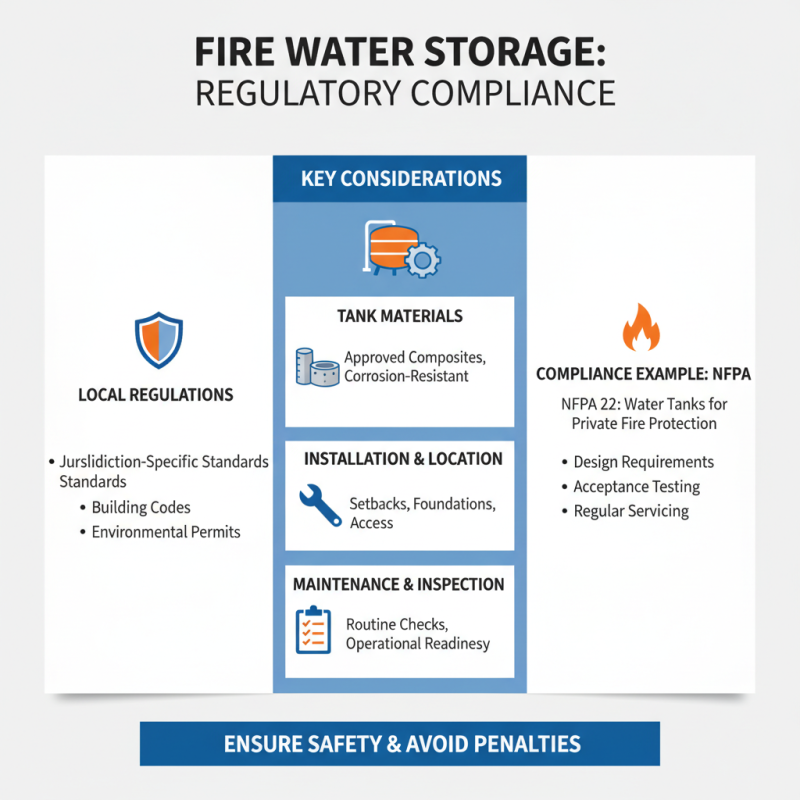
Consider local regulations and site conditions before making a choice. Assessing factors such as water quality, accessibility for maintenance, and installation challenges is crucial. A poorly chosen tank can become a liability during emergencies. Striking the right balance between cost, durability, and efficiency is key. Regular maintenance is also essential to ensure that the tank functions as intended, mitigating potential risks.
Fire Water Storage Tank Types Comparison
Assessing Your Water Storage Needs for Fire Safety
When assessing your water storage needs for fire safety, start by identifying the potential fire risks in your area. Consider factors such as local climate, vegetation, and proximity to emergency services. These elements significantly affect how much water you might need. For instance, a region prone to wildfires may require larger tanks compared to urban areas with better access to hydrants.
Next, think about the specific requirements of your property. Evaluate the size of buildings and any valuable assets vulnerable to fire. A small structure may not need as much stored water as a larger, more complex facility. Also, consider local regulations regarding water storage for fire safety. These rules can guide you in determining the necessary tank capacity and specifications.
Reflect on the types of tanks available. Materials and design play a crucial role in durability and effectiveness. While some may choose a large, stationary tank for reliability, others might opt for portable options. Balancing cost and functionality is essential. Ultimately, your decision should be based on a thorough understanding of your unique situation and the challenges you may face.
How to Choose the Right Fire Water Storage Tank for Your Needs?
| Storage Capacity (Gallons) |
Material |
Purpose |
Location Suitability |
Estimated Cost ($) |
| 500 |
Polyethylene |
Residential Fire Safety |
Above Ground |
750 |
| 1000 |
Steel |
Commercial Fire Safety |
Underground |
1500 |
| 2000 |
Concrete |
Industrial Fire Safety |
Above Ground |
3000 |
| 3000 |
Fiberglass |
Emergency Services |
Remote Locations |
4500 |
| 5000 |
Steel |
Municipal Fire Safety |
Community Areas |
6000 |
Evaluating Materials and Durability of Fire Water Tanks
Choosing the right fire water storage tank involves careful consideration of the materials and durability. Tanks made from steel offer robust protection against rust and impact. They can withstand harsh weather conditions, making them a popular choice for many projects. However, they are heavy and may require additional structural support.
Plastic tanks, on the other hand, are lighter and more resistant to corrosion. They come in a variety of sizes and shapes. While they provide flexibility in installation, their durability can be a concern. UV exposure can degrade plastic over time, making periodic inspections essential.
Think about the tank's intended use. Will it be outdoors or indoors? If outdoor, materials must resist elements. Fire water tanks should meet safety standards. When evaluating options, consider the potential long-term costs. Cheaper options may lead to replacements sooner than expected. Investing in quality can provide better returns in the long run.
Determining Size and Capacity Requirements for Your Property
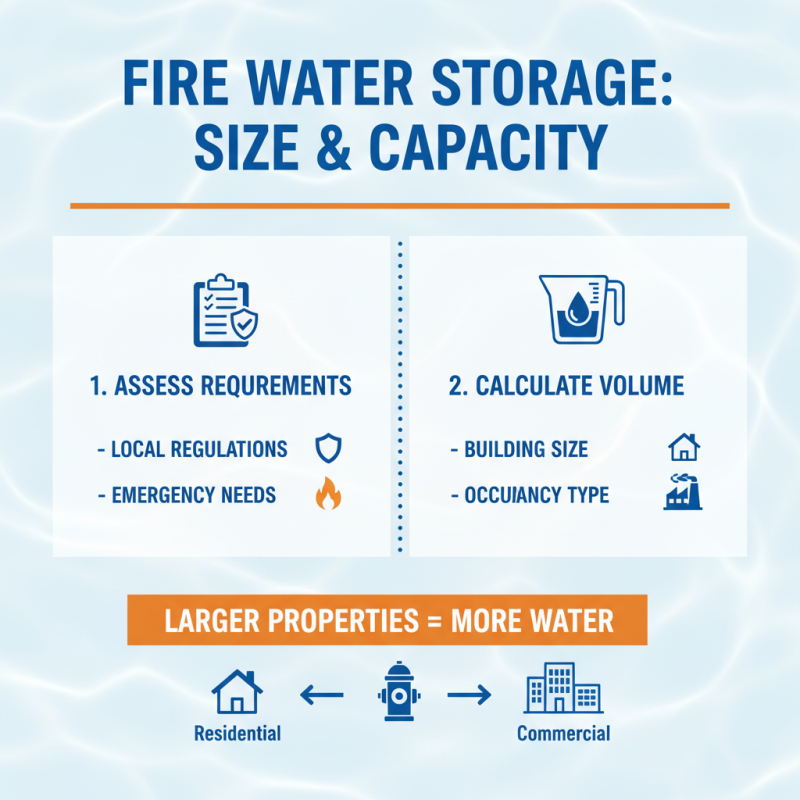
When selecting a fire water storage tank, understanding your property’s size and capacity needs is crucial. Start by assessing your water requirements based on local regulations and potential emergencies. Calculate the necessary volume of water needed for fire suppression. This often depends on your building size and occupancy type. For example, larger commercial properties may need much more water than residential homes.
Consider the layout of your property as well. Is there enough space for a tank? An oversized tank on a small lot might disrupt landscaping or take up critical space. Remember that installation isn't just a matter of placement. Ensure access for maintenance and refilling.
It can be tempting to buy the largest tank possible, thinking it offers the most safety. However, extremely large tanks can lead to unexpected issues like standing water or evaporation. Over time, this can create a breeding ground for pests. Balance is key. Aim for a size that meets regulations without making ownership cumbersome.