How to Choose the Best Steel Water Tanks for Your Needs?
Choosing the right steel water tanks is essential for various applications. Whether for residential or commercial use, the right tank influences water quality and longevity. Steel water tanks come in many sizes and designs. It can be overwhelming to select the best option.
Consider the specific needs of your situation. Factors like capacity, location, and intended use play vital roles. Some tanks are better suited for above-ground installations, while others fit underground placements. Reflect on the environment and weather conditions in your area. Durability is crucial; not all steel tanks provide the same level of protection against rust and corrosion.
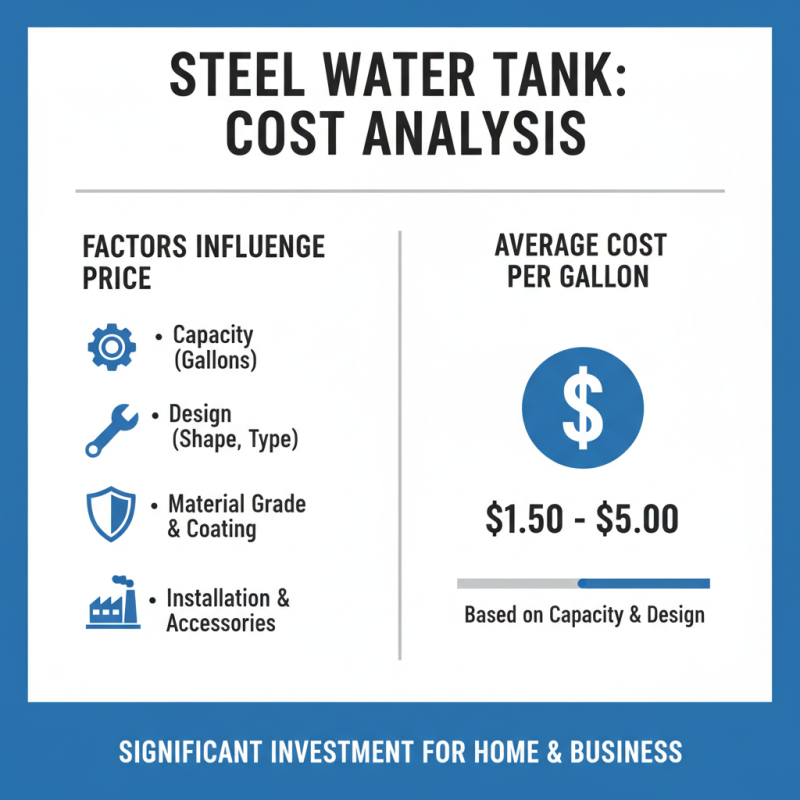
Be aware that price isn’t everything. Cheaper options could lead to higher long-term costs due to maintenance. Look for reputable brands and read customer reviews. It's important to think critically about your choices. This decision impacts not only your budget but also the quality of water you’ll use. Overall, understanding your needs is key to finding the right steel water tanks.
Types of Steel Water Tanks and Their Applications
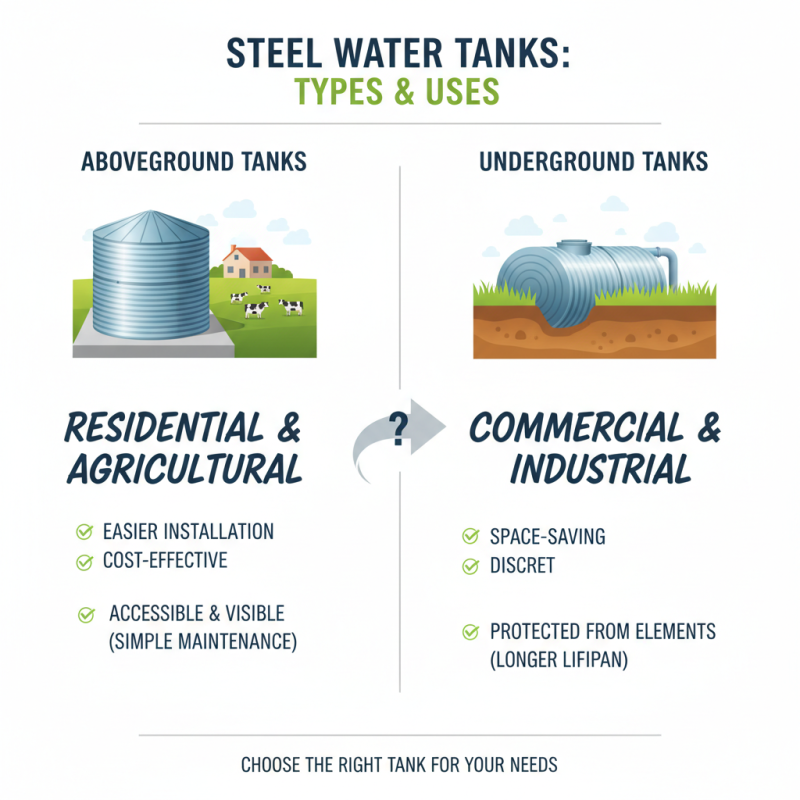
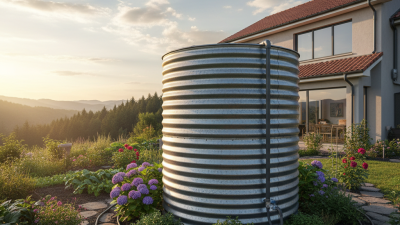
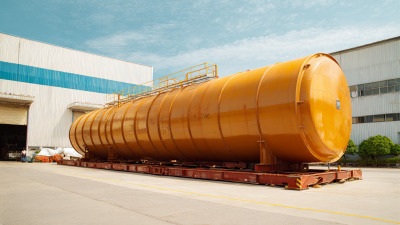
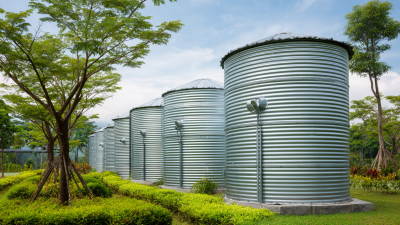
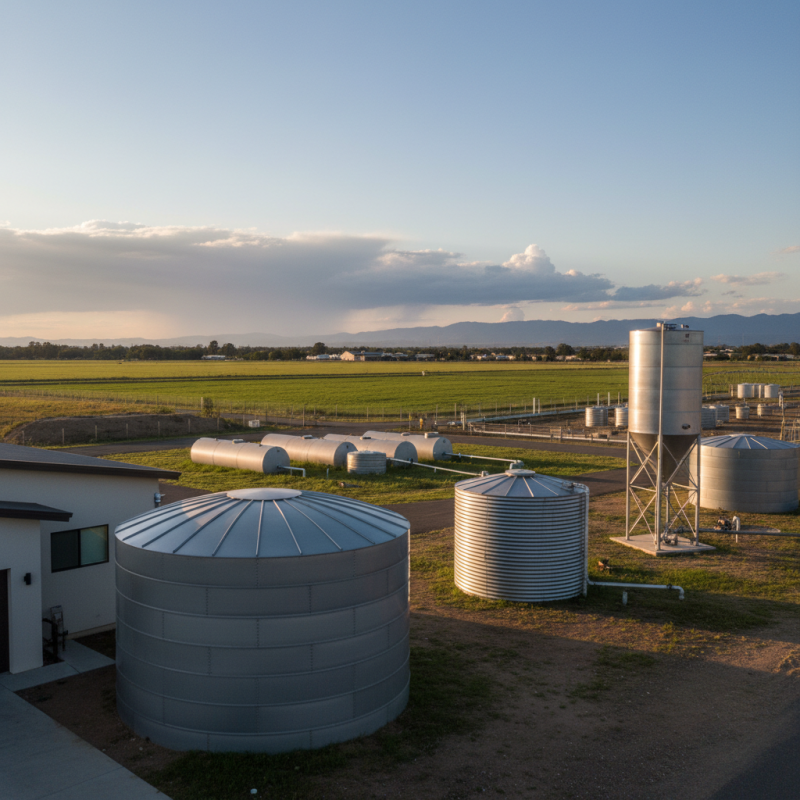
When selecting steel water tanks, it’s essential to understand the various types available and their specific applications. For instance, above-ground tanks are commonly used for residential and agricultural purposes. These tanks are easier to install and can be a more cost-effective solution. They are often chosen for their accessibility and visibility, making maintenance simpler.
On the other hand, underground tanks have distinct advantages, especially in space-saving situations. They are less susceptible to environmental damage but require careful installation to prevent leaks or contamination. Finally, modular tanks, though more complex, offer flexibility. They can be expanded or relocated as needed, but this can also lead to potential challenges in stability. This diversity in tank types ensures that there’s a solution for nearly any need, but careful consideration is crucial to avoid future frustrations.
Factors to Consider When Selecting a Steel Water Tank
Selecting the right steel water tank is crucial for meeting your specific needs. Size, capacity, and material quality are primary factors to consider. For instance, tanks typically range from 250 to 30,000 gallons. Understanding your water usage patterns helps decide the optimal size. For average households, a 1,500-gallon tank might suffice, but industrial applications may require larger units.
Another key consideration is corrosion resistance. Steel tanks should have protective coatings, which can significantly extend their lifespan. According to industry reports, properly coated steel tanks can last over 30 years if maintained correctly. Think about your climate as well. Areas with high humidity or salt exposure may necessitate enhanced protection measures.
**Tip:** Regularly inspect your tank for rust or wear. Early detection prevents costly repairs.
Also, consider the installation process. Some tanks need a solid foundation. Improper placement can lead to leaks or structural issues. Small miscalculations now can lead to big problems later.
**Tip:** Hire a professional for installation. It saves time and prevents headaches down the line.
Ultimately, your choice should reflect both immediate needs and long-term goals.
Understanding the Sizing and Capacity Requirements
When selecting the right steel water tank, size and capacity matter greatly. Consider your specific needs. Will you use the tank for residential or agricultural purposes? Knowing the daily water consumption can help. For example, a small family may need a tank with a capacity of 1,000 gallons. Larger households might require more than 2,500 gallons. Factoring in peak usage times helps as well.
It's also crucial to consider the physical dimensions of the tank. A tank that is too large may not fit in your designated space. On the other hand, a smaller tank might leave you scrambling for water during droughts. Always measure your area before making a decision. In some cases, it may be worth pondering whether a larger, more permanent solution is genuinely needed.
Another aspect is the tank’s location. Are you placing it above ground or underground? This can affect your choice. A tank buried underground might require specific sizing due to soil pressure and accessibility. Reflecting on these factors leads to a better decision. Proper planning can save money and headaches down the road.
Evaluating Durability and Maintenance Features
When selecting a steel water tank, durability is crucial. Steel offers strength and resilience against harsh environmental conditions. Look for tanks made from high-quality stainless steel. This material prevents rust and corrosion, extending the tank's lifespan. Nonetheless, not all steel tanks are created equal. Evaluate the thickness of the steel used in construction. Thicker steel typically withstands more wear and tear but may be heavier and more costly.
Maintenance features are equally important. Regular inspections can identify potential issues early. Check for leaks or rust spots at least twice a year. Some tanks come with protective coatings. These coatings can provide added protection but may wear off over time. Choosing a tank with easy access for maintenance will save time and effort in the long run. Remember that installing a water tank is not a set-it-and-forget-it solution. You'll need to commit to periodic care and upkeep. It's a balancing act between investing in durable materials and staying on top of maintenance tasks.