How to Choose the Best Modular Water Tanks for Your Needs?
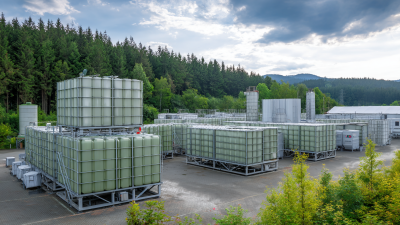
When considering the right water storage solution, choosing the best modular water tanks is crucial. These tanks offer flexibility, allowing you to customize their size and capacity based on your needs. The importance of proper water storage cannot be overstated. Poor choices can lead to inefficient use of resources.
Many factors influence the selection process. You must consider the material, size, and configuration. Modular water tanks come in various designs, each suited for specific environments. This choice requires careful thought and evaluation. For instance, a tank that works well for agricultural use may not suit residential needs.
Additionally, reliability is essential. Analyze the manufacturer's history and customer reviews. Look for quality certifications, ensuring the tanks meet industry standards. Remember, the wrong choice could result in wasted time and resources. Use this guide to make informed decisions, leading to effective and practical water storage solutions.
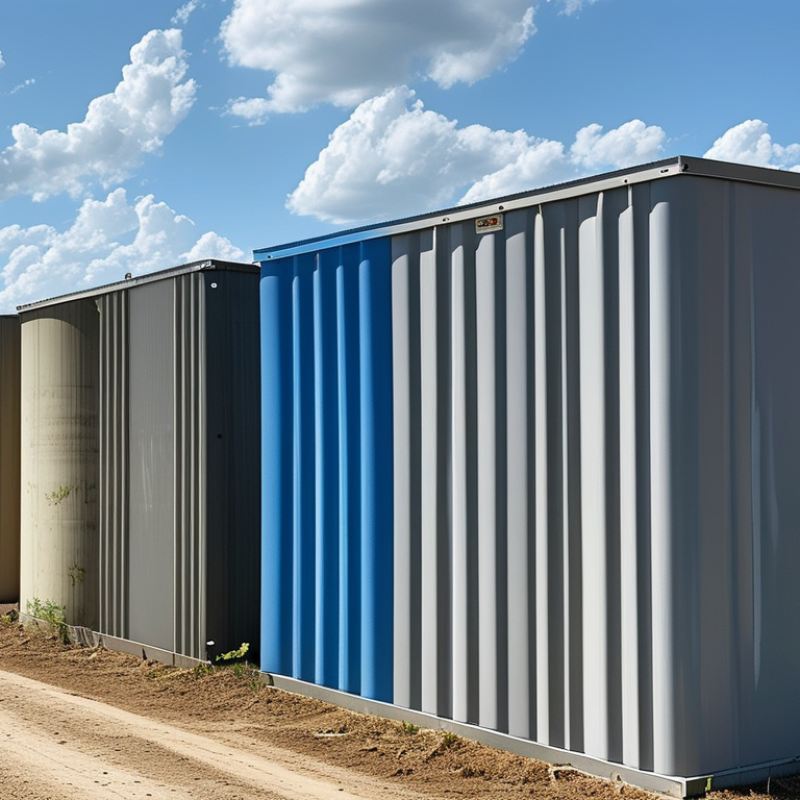
Understanding Modular Water Tanks: Basics and Benefits
Modular water tanks are essential for various applications. They are designed to be flexible and scalable. These tanks can be customized to fit specific needs, making them a popular choice for residential and commercial use. According to industry reports, the demand for modular water tanks has grown by nearly 25% over the last five years. This increase is driven by the need for reliable water storage solutions.
Understanding the benefits of modular water tanks is crucial. They offer easy installation and maintenance, which saves time and money. Furthermore, their modular design allows for expansion as needs change. For example, a facility initially requiring 10,000 liters can quickly upgrade to 30,000 liters with additional modules. Such adaptability is vital in emergencies or during peak usage times. However, selecting the right size is often overlooked, leading to wasted capacity or insufficient storage.
Another significant aspect is water quality. Modular tanks can be designed with advanced materials that reduce contamination risks. Regular maintenance is essential, though often neglected. Without proper care, even the best systems can become ineffective. Data suggests that nearly 15% of water storage systems are compromised due to lack of upkeep. Understanding these details ensures the longevity and efficiency of your investment.
Factors to Consider When Choosing Modular Water Tanks
When selecting modular water tanks, several factors come into play. The size of the tank is crucial. Assess the total volume of water you need to store. This varies by usage—from irrigation to emergency supply. Accessibility is also key; ensure that the chosen location allows for easy installation and maintenance.
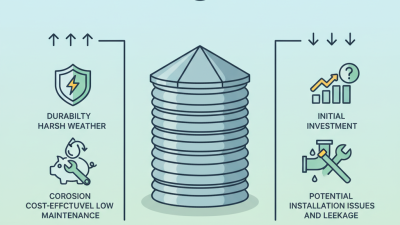
Material type influences reactivity and longevity. Plastic tanks are lightweight and corrosion-resistant, while metal tanks provide durability. Consider the environmental conditions where the tank will be placed. UV exposure and temperature fluctuations can impact your tank’s lifespan.
Tips: Always check the manufacturer's guidelines. They can provide insights into tank capabilities and limitations. Regular maintenance schedules help ensure the tank remains functional. Don't ignore the tank's placement. Avoid areas that could collect debris or undergo flooding.
Material Choices for Durability and Performance
When selecting modular water tanks, material choices significantly impact durability and performance. Common materials include polyethylene, fiberglass, and steel. Each has unique properties that cater to different applications. According to a report by the Water Quality Association, polyethylene tanks are lightweight and resistant to corrosion, making them ideal for various environments. Their flexible design can withstand temperature fluctuations.
Fiberglass tanks are renowned for their strength and longevity. Despite higher initial costs, their durability can lead to cost savings in the long run. In a case study published by the American Society of Civil Engineers, fiberglass tanks outperformed many traditional materials under extreme conditions, showcasing their reliability for municipal water systems.
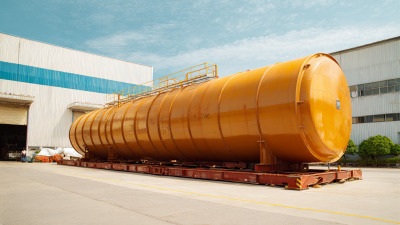
Steel tanks offer robustness but require protective coatings to prevent rust. A survey from the National Sanitation Foundation highlighted that uncoated steel tanks can deteriorate quickly in harsh conditions. Understanding these material differences is crucial for making informed decisions. Consider specific needs, local climate, and potential maintenance challenges before committing to a choice. The right material can ensure optimal performance and longevity for your water storage solutions.
Sizing and Capacity Requirements for Your Water Storage Needs
When selecting modular water tanks, sizing and capacity are crucial elements. According to the American Water Works Association, proper tank sizing helps ensure adequate water supply during peak demand. Many experts recommend calculating your daily water usage, considering factors such as population size and consumption patterns.
For instance, a household of four might need around 1,000 to 1,500 gallons per day. This amount can vary considerably based on regional water usage trends. Research from the U.S. Geological Survey indicates that average water use per person can range from 80 to 100 gallons daily. Evaluating these figures allows you to choose a tank that meets both current and future needs.
It's essential to remember that underestimating your water capacity can lead to shortages. Many people overlook peak usage times or seasonal demands. Modular tanks provide flexibility, allowing adjustments based on growth or unforeseen demand shifts. Balancing immediate needs with potential future expansion can help prevent costly mistakes. Taking time to analyze and plan for water capacity can ultimately lead to wiser investments.
Installation and Maintenance Tips for Modular Water Tanks
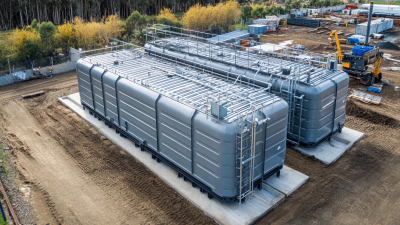
When choosing modular water tanks, proper installation and maintenance are key to ensuring longevity. Start by selecting a location that is flat and stable. This reduces the risk of shifting or settling. Ensure that the ground can handle the weight when filled.
During installation, check all connections carefully. Leaks can lead to water loss and damage. It’s also wise to inspect the tank for any visible cracks. This can save you from costly repairs later on. After installation, conduct regular checks, especially after heavy rainfall.
For maintenance, clean the tanks routinely. Sediment buildup can affect water quality. Monitor the outlet valves too; they should function smoothly. If you notice anything unusual, such as discoloration or odors, investigate immediately. Regular maintenance helps prevent bigger issues down the road. Ultimately, attention to detail in both installation and upkeep makes a significant difference.