How to Choose the Best Drinking Water Tank for Your Home Needs
When it comes to ensuring safe and adequate drinking water at home, selecting the right Drinking Water Tank is paramount. According to the World Health Organization (WHO), access to clean drinking water is fundamental for public health, reducing the risk of waterborne diseases which affect millions globally each year. As the demand for safe drinking water continues to rise, driven by factors such as population growth and climate change, the use of appropriate storage solutions becomes increasingly essential for households.
The market for Drinking Water Tanks is projected to grow significantly, with a recent report by Grand View Research estimating a compound annual growth rate (CAGR) of over 6% through the next decade. This rapid growth reflects not only an increase in consumer awareness regarding water quality but also the importance of having a reliable storage system that can meet varying household demands. Choosing the best Drinking Water Tank involves considering factors such as capacity, material, and safety features, which can greatly affect the quality and accessibility of drinking water at home. By understanding these elements, homeowners can make informed decisions that best suit their specific needs.
Understanding the Different Types of Drinking Water Tanks Available for Homes
When choosing the best drinking water tank for your home, it's essential to understand the various types of tanks available. The market offers a range of materials, including concrete, steel, plastic, and fiberglass, each with its own advantages and disadvantages. Concrete tanks are known for their durability and long lifespan, making them a popular choice for larger households. Steel tanks, on the other hand, provide robust protection against contamination but may require regular maintenance to prevent rust. Plastic tanks are lightweight and corrosion-resistant, making them ideal for smaller applications or emergency setups.
The application of these water tanks also varies, particularly in terms of household water treatment and safe storage. For emergency situations, having a reliable water storage system is critical. Tanks designed for this purpose must be easy to transport, install, and use while ensuring the safety of the stored water. As the demand for effective household water treatment solutions increases, selecting the appropriate tank that meets both safety and capacity requirements becomes vital for maintaining a sustainable water supply in emergencies.
Key Factors to Consider When Selecting a Drinking Water Tank
When selecting a drinking water tank for your home, several key factors deserve careful consideration. First and foremost, the tank's capacity should match your household's water consumption. Analyze your daily water usage patterns and the number of residents in your home to ensure you select a size that meets your needs without unnecessary overflow or scarcity.
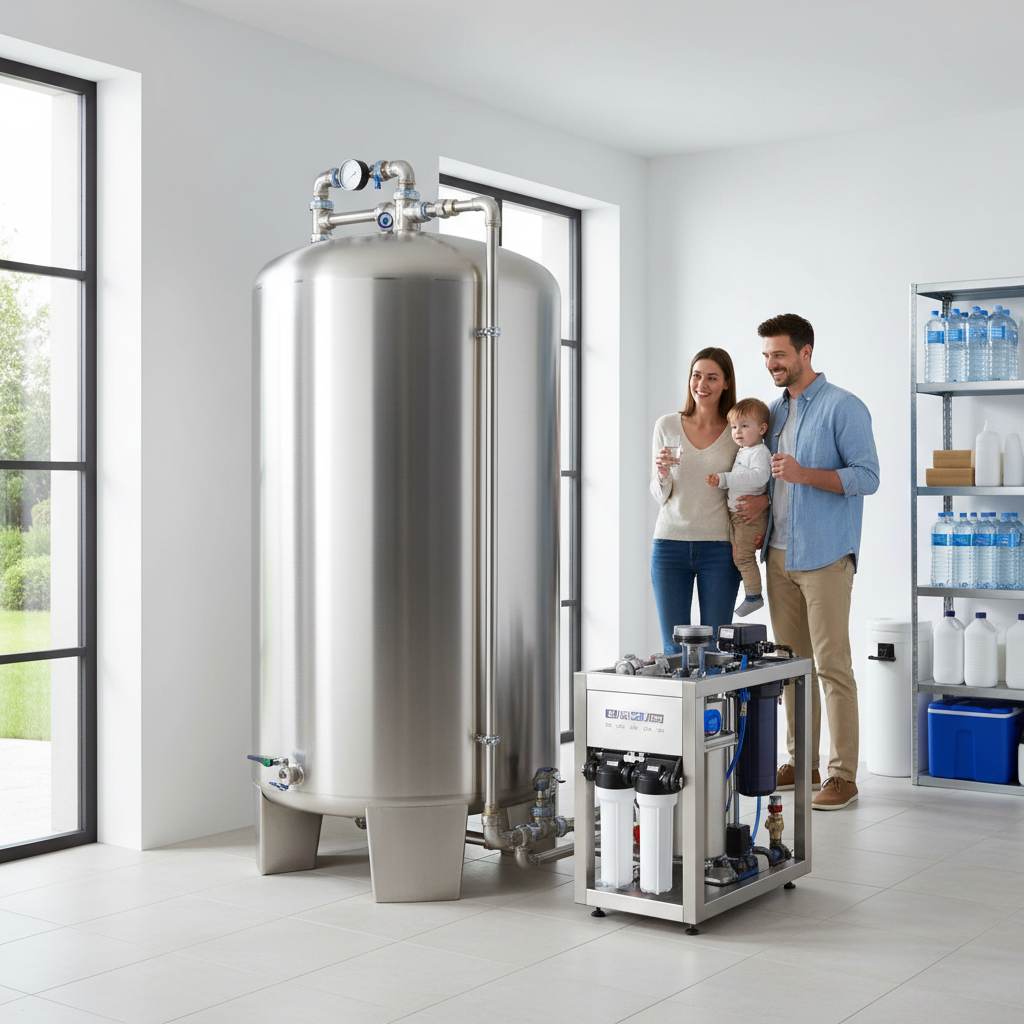
Another crucial aspect is the material of the tank. While options like plastic, fiberglass, and stainless steel are common, each material comes with its own set of benefits and drawbacks. For instance, stainless steel is known for its durability and resistance to corrosion, making it an excellent option for long-term use. Additionally, consider the tank's insulation properties to maintain the water temperature and prevent bacterial growth.
Lastly, pay attention to the installation process and maintenance requirements. A tank that is easy to install and maintain will save you both time and money in the long run. Check for any additional features, such as filtration systems or automatic replenishment mechanisms, which can enhance the quality and convenience of your drinking water supply.
Assessing Storage Capacity Based on Household Water Consumption Needs

When selecting the best drinking water tank for your home, understanding your household's water consumption needs is crucial. According to the U.S. Geological Survey, the average American family uses about 300 gallons of water per day, which translates to an approximate daily consumption of 75 gallons per person.
For a family of four, this means you would need a tank with a minimum capacity of 300 gallons to ensure adequate storage without frequent refilling.
Additionally, it's essential to consider peak usage times. During busy mornings or weekends, household water demands can spike significantly. A report from the American Water Works Association suggests that demand can increase by up to 40% during peak hours. Thus, selecting a tank with a higher capacity than your daily average is advisable to accommodate such fluctuations. For a family of four, investing in a tank with a 450-gallon capacity could provide the necessary buffer for those peak moments, ensuring your household runs smoothly without disruptions due to water shortages.
Evaluating Material and Durability for Long-Lasting Water Storage Solutions
When selecting a drinking water tank for your home, evaluating the material and durability is crucial for ensuring long-lasting water storage solutions. Typically, water tanks are made from a variety of materials, including plastic, fiberglass, and metal. According to a recent industry report by the Water Quality Association, tanks made from high-density polyethylene (HDPE) are increasingly favored due to their resistance to UV radiation, corrosion, and impact damage. HDPE tanks can maintain the integrity of the stored water for extended periods, making them a sustainable choice.
Durability also plays a significant role in the lifespan of the tank. Tanks constructed from reinforced concrete, while heavier and more expensive, offer superior strength and are less affected by environmental factors. A study from The American Society of Civil Engineers indicates that concrete tanks can last over 50 years with proper maintenance, compared to the 10-15 year lifespan typically associated with metal tanks. This information underscores the importance of selecting the right material, not only to ensure the safety and purity of the drinking water but also to optimize long-term investment in home water solutions.
How to Choose the Best Drinking Water Tank for Your Home Needs - Evaluating Material and Durability for Long-Lasting Water Storage Solutions
| Material Type |
Durability (Years) |
Maintenance Required |
Capacity (Gallons) |
Cost ($) |
| Plastic |
10-15 |
Low |
50-100 |
100-300 |
| Fiberglass |
20-30 |
Medium |
100-500 |
500-1000 |
| Steel |
25-50 |
High |
100-1000 |
1000-3000 |
| Concrete |
30-50 |
Very Low |
500-2000 |
3000-5000 |
| Bladder Tank |
15-20 |
Low |
30-200 |
200-600 |
Cost vs. Quality: Finding the Best Value for Your Drinking Water Tank
When selecting a drinking water tank, understanding the balance between cost and quality is crucial to ensure you get the best value for your investment. A lower-priced tank may seem appealing initially, but if it compromises on quality or durability, you may face higher replacement costs in the long run. Prioritize tanks made from materials known for longevity and resistance to corrosion, as this will ultimately save you money and stress.
**Tips:** Always check the tank's warranty and certification. A good warranty often reflects the manufacturer's confidence in their product, while certifications ensure that the tank meets specific quality standards. Also, consider the tank's size and capacity in relation to your household's water consumption.
In addition to cost versus quality, assess the tank’s maintenance requirements. Some models may require more frequent cleaning or servicing, which can add to ongoing costs. Opt for tanks that are easy to maintain, to further enhance their value over time. Look for user reviews and expert opinions to gauge the performance of various models and make an informed choice that best fits your needs.
Cost vs. Quality of Drinking Water Tanks
This chart illustrates the relationship between the cost and quality ratings of various drinking water tanks. The quality ratings are based on user reviews and expert evaluations, while the prices represent the average market price for each tank type.