Why Choose Steel Water Tanks for Your Storage Needs?
Choosing the right water storage solution can significantly impact long-term sustainability and efficiency. Experts in the industry often highlight the advantages of Steel Water Tanks. For instance, John Smith, a renowned water tank consultant, once remarked, "Steel Water Tanks are durable and offer unmatched value for community water needs."
These tanks provide robust resistance to environmental factors. Their longevity ensures lower replacement costs, minimizing waste. Moreover, Steel Water Tanks are easily maintainable, which adds to their appeal. However, some might argue about the initial investment. Still, the return on investment typically outweighs the upfront costs.
Let’s not overlook the importance of quality. Not all Steel Water Tanks are created equal. Consumers should be vigilant about specifications and certifications. Ultimately, informed choices lead to improved resource management. The right Steel Water Tank can transform storage capabilities for individuals and businesses alike.
Benefits of Steel Water Tanks: Durability and Longevity
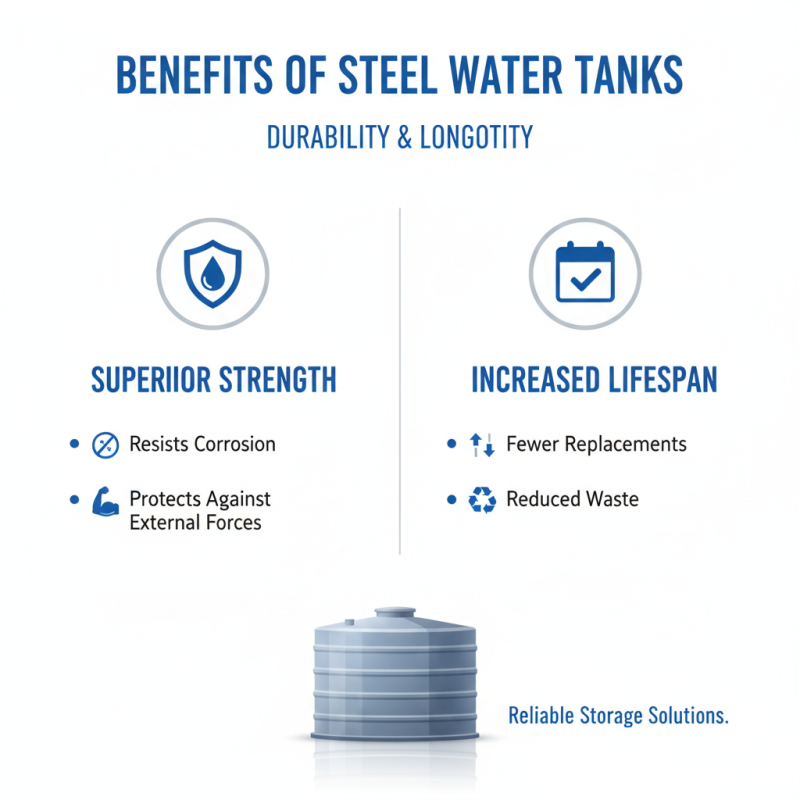
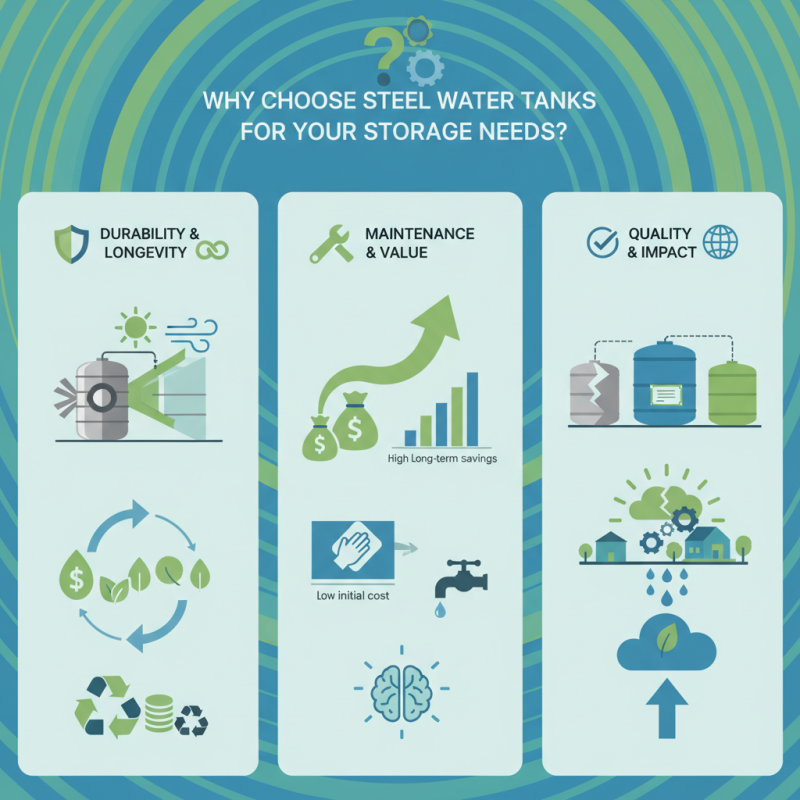
Steel water tanks offer numerous benefits when it comes to storage solutions. Their durability is one of the most impressive attributes. Unlike plastic or fiberglass, steel tanks resist corrosion, which increases their lifespan. This means fewer replacements over time and less waste. The strength of steel also provides excellent protection against external forces, making them ideal for various environments.
When selecting a steel tank, consider regular maintenance. Inspect for any signs of rust or wear. Clean the tank periodically to maintain water quality. Remember, even durable materials need some care. Investing in quality coatings can further enhance protection against corrosion.
Safety is another feature of steel tanks. They can withstand extreme weather, including heavy snow and intense heat. This makes them reliable under various conditions. While they may have higher initial costs, the longevity of steel tanks can offer significant savings in the long run. It's worth reflecting on your specific needs to choose the best tank for your situation.
Cost-Effectiveness of Steel Water Tanks Compared to Alternatives
Steel water tanks offer significant cost advantages compared to alternatives like plastic or concrete tanks. According to a report from the Water Resources Research Institute, steel tanks have a lifespan of 30-50 years, far exceeding the 10-20 year lifespan of plastic tanks. This durability translates to lower replacement costs over time. While the initial investment for steel tanks may be higher, the long-term savings can be substantial.
Additionally, maintenance costs for steel tanks tend to be lower. A study by the American Water Works Association found that preventive maintenance on steel structures can reduce total costs by up to 25%. Steel tanks are also less prone to issues like cracking or UV degradation that affect plastic tanks. Investing in steel not only reduces the frequency of repairs but also ensures safer and more reliable water storage.
The environmental impact should also be considered. Steel is recyclable, making it a more sustainable choice. Industry studies reveal that recycled metal has a lower carbon footprint than producing new plastic materials. Thus, steel water tanks not only provide economic benefits but also contribute to a greener future. However, the decision must consider local climate conditions and water quality, as these factors influence tank performance and longevity.
Environmental Impact of Steel Water Tanks in Recycling
Steel water tanks offer a sustainable option for storage. One notable advantage is their recyclability. Steel is made from iron and carbon and can be recycled indefinitely without losing quality. In fact, data shows that around 70% of steel scrap is recycled globally. This significantly reduces landfill waste and the demand for new raw materials.
Additionally, steel water tanks can have a lower carbon footprint compared to other materials. The production of steel has improved, showing a decrease in emissions by approximately 30% over the past two decades. This means that choosing steel can align with environmentally conscious strategies. However, while steel recycling is efficient, not all facilities have access to proper recycling methods, raising concerns over waste management.
**Tips:** Always check local recycling regulations. Ensure that your tank is compatible with available recycling programs. Consider the life cycle of the product. Every choice counts towards sustainability.
Why Choose Steel Water Tanks for Your Storage Needs? - Environmental Impact of Steel Water Tanks in Recycling
| Feature |
Steel Water Tanks |
Environmental Impact |
| Durability |
High resistance to corrosion and damage |
Long lifespan reduces waste |
| Recyclability |
100% recyclable material |
Promotes recycling initiatives |
| Maintenance |
Low maintenance cost |
Less frequent replacements needed |
| Cost Effectiveness |
Long-term savings compared to plastic |
Reduces overall environmental footprint |
| Temperature Stability |
Effective insulation properties |
Maintains water quality |
Installation and Maintenance Considerations for Steel Tanks
When considering steel water tanks, installation and maintenance are crucial factors. These tanks provide durability and longevity, but they also require proper handling during installation. Ensure the foundation is level and sturdy, as uneven ground can lead to structural issues. According to the Steel Tank Institute, improper installation can reduce tank life by up to 30%.
Regular maintenance is essential for steel tanks. Inspect for rust and leaks frequently. A study shows that 25% of tank failures arise from inadequate maintenance. Schedule routine checks every six months. This proactive approach can prevent costly repairs and extend the tank's lifespan.
**Tip:** Always use approved protective coatings to prevent corrosion. Additionally, keep the area around the tank free of debris. This practice promotes proper air circulation and minimizes moisture accumulation. Remember, a well-maintained tank offers reliable performance for years to come.
Why Choose Steel Water Tanks for Your Storage Needs?
This bar chart illustrates the key benefits of using steel water tanks for storage needs, highlighting their durability, cost efficiency, maintenance requirements, installation time, and capacity options. Each aspect is rated on a scale of 0 to 100, demonstrating why steel tanks are a favorable choice.
Industry Statistics on the Safety and Efficiency of Steel Water Tanks
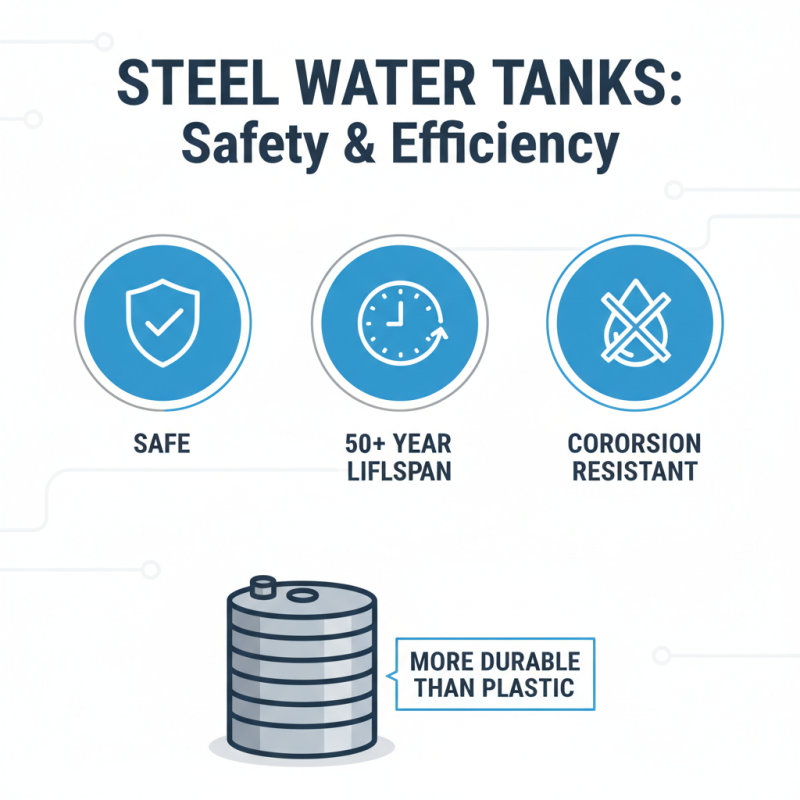
Steel water tanks are increasingly recognized for their safety and efficiency in various storage applications. According to industry statistics, these tanks have a lifespan of up to 50 years, far surpassing alternatives like plastic. Their resistance to rust and corrosion contributes to their long-term durability, making them a reliable choice.
In terms of safety, steel tanks are highly secure. They can withstand extreme weather conditions, ensuring that stored water remains uncontaminated. Data analysis indicates that steel tanks are less likely to fail compared to other materials. However, it is essential to regularly inspect for structural integrity, as neglect can lead to unforeseen issues.
While steel tanks boast numerous advantages, they are not without challenges. Installation can be complex and may involve additional costs. Proper maintenance is needed to ensure longevity. Safety is paramount, but understanding the nuances of steel options is crucial. Balancing the pros and cons helps in making an informed decision for your storage needs.