How to Choose the Right Emergency Water Tank for Your Home Preparedness
In times of crisis, having access to clean water is a vital aspect of home preparedness. An Emergency Water Tank is a crucial investment that ensures your household can withstand emergencies, such as natural disasters or prolonged water outages. Selecting the right tank requires careful consideration of several factors, including capacity, material, and location. With the increasing frequency of unforeseen events, equipping your home with a reliable water storage solution not only safeguards your family's health but also provides peace of mind.
When choosing an Emergency Water Tank, it's important to assess your household's specific needs. Factors such as the number of occupants, average water consumption, and the duration of expected emergencies should guide your decision. Additionally, understanding the environmental conditions of your area can impact the type of tank you select. Whether you opt for a portable solution or a stationary unit, ensuring it meets health and safety standards is crucial for maintaining the quality of stored water.
Ultimately, an Emergency Water Tank is not just a product but a proactive measure that underscores the importance of preparedness in the face of uncertainty. By making informed choices, you can enhance your home’s resilience against water-related emergencies and protect what matters most: your family and their well-being.
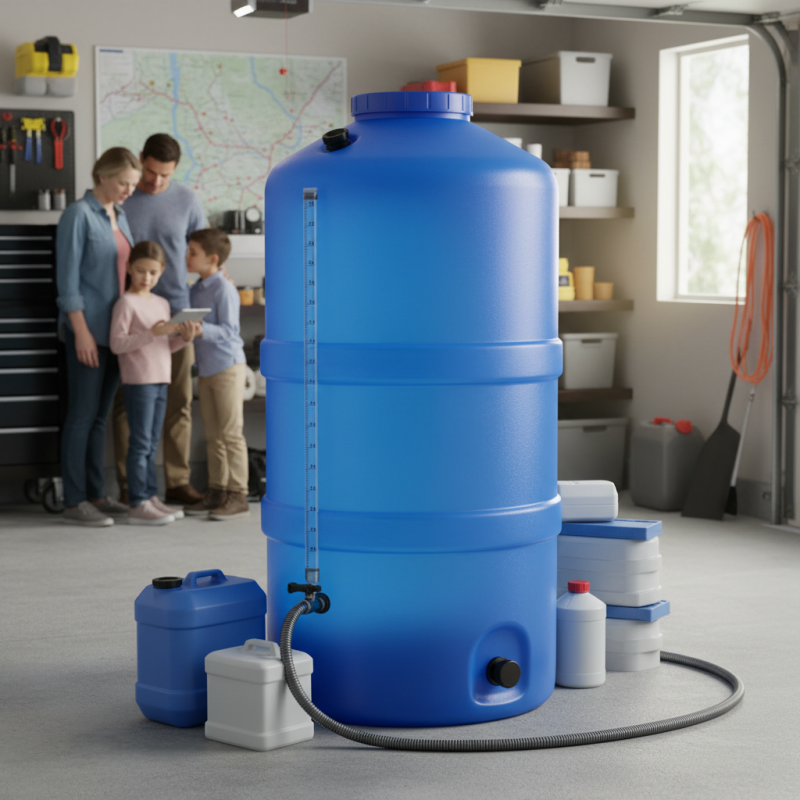
Understanding the Importance of Emergency Water Supply in Home Preparedness
In today's unpredictable world, the significance of having an emergency water supply cannot be overstated. According to the Centers for Disease Control and Prevention (CDC), an average person requires at least one gallon of water per day for basic needs. This factor becomes crucial during natural disasters, where access to clean water can be compromised for days or even weeks. Having a reliable emergency water tank ensures that you and your family can maintain hydration and sanitation even when municipal supplies are interrupted.
When selecting an emergency water tank, it’s essential to consider capacity, durability, and the material of the tank. The American Water Works Association recommends that households have a storage capacity of at least 72 hours of water supply for each person in the home. For a family of four, this translates to a minimum of 12 gallons of water. It's also vital to choose tanks made from food-grade materials to prevent contamination, ensuring the water remains safe for consumption.
Tips: Regularly rotate your water supply to maintain freshness—ideally every six months. Additionally, invest in filtration systems or purification tablets for extra safety, as they can enhance the quality of stored water. Lastly, make sure to keep your emergency water tank in a cool, dark place to prolong the life of the water stored within.
Factors to Consider When Choosing Emergency Water Tank Capacity
When choosing an emergency water tank for your home preparedness, one of the most critical considerations is capacity. According to the Centers for Disease Control and Prevention (CDC), an average adult requires about one gallon of water per day for drinking and sanitation. For emergency situations, it is wise to plan for at least three days’ worth of water, bringing the total to a minimum of three gallons per person. For a family of four, that equates to at least 12 gallons. However, during extended emergencies, or if you live in areas prone to natural disasters, increasing your reserve to 14 gallons per person is recommended, amounting to 56 gallons for four people.
Tips: When determining your tank capacity, consider not just your immediate needs but also the potential for extended supply disruption. Evaluate your local risks—hurricanes, earthquakes, or floods—that may affect access to clean water. Additionally, think about other household members, such as pets, as ensuring their hydration is essential.
Moreover, take into account space and tank size. A larger tank may hold more water, but it must fit your available storage area without compromising safety or accessibility. Data indicates that tanks ranging from 50 to 100 gallons are ideal for families, allowing for generous storage without taking up excessive room. Make sure to choose a location that is cool, dark, and away from chemicals, as this will help maintain water quality over time.
Emergency Water Tank Capacity Comparison
Material Options for Emergency Water Tanks: Strength and Durability
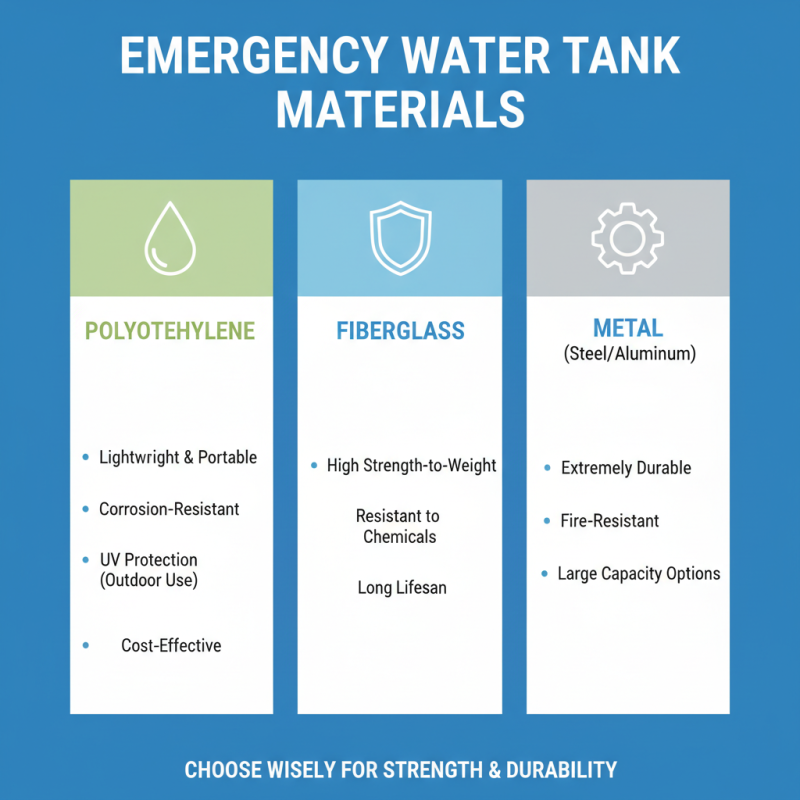
When selecting an emergency water tank, the material it is made from is crucial for ensuring strength and durability. Common options include polyethylene, fiberglass, and metal. Each of these materials has distinct advantages that can influence your choice. Polyethylene tanks are lightweight, resistant to corrosion, and typically provide excellent UV protection, making them a popular choice for outdoor use. They are also cost-effective, allowing homeowners to prepare without breaking the bank.
On the other hand, fiberglass tanks are known for their durability and ability to withstand extreme weather conditions. They do not rust or corrode and can maintain the quality of the water contained within them. However, they tend to be heavier and can be more expensive compared to polyethylene tanks. Metal tanks, often made from stainless steel or galvanized steel, offer another layer of strength and longevity. They are resistant to impact damage but may require additional coatings to prevent rusting in humid environments. Weighing the pros and cons of these materials against your specific needs and environmental conditions is essential for making the right choice for your emergency water preparedness.
Assessing Local Regulations and Guidelines for Water Storage Systems
When selecting an emergency water tank for your home preparedness, it is crucial to assess local regulations and guidelines governing water storage systems. Different jurisdictions may have specific requirements regarding tank sizes, materials, and installation processes. Researching these regulations is essential to ensure compliance and avoid potential fines or problems in an emergency situation. For instance, some areas may mandate certain purification treatments for stored water or specify how tanks should be anchored or secured.
Additionally, local health departments often provide guidelines on safe water storage practices. These can include recommendations on water quality testing, maintenance schedules, and even optimal storage temperatures. Understanding these guidelines not only helps you choose the right tank but also ensures the stored water remains safe and consumable over time. Engaging with local authorities or reviewing municipal codes can provide insights into any permits needed for large-scale installations. By aligning your water storage solution with these regulations, you enhance your home’s preparedness while safeguarding your investment.
Maintenance and Care Tips for Ensuring Water Tank Safety and Quality
When it comes to emergency preparedness, maintaining a safe and high-quality water tank is crucial. Regular inspections should be part of your routine care to ensure that your water tank remains free from contaminants. Look for any signs of wear, rust, or algae growth, as these can affect the quality of the water stored within. It’s also important to check for proper sealing and functionality of the valves and fittings to prevent leaks or contamination.
Tips: To keep your water tank in optimal condition, consider conducting a deep clean at least once a year. This includes draining the tank completely and scrubbing the interior surfaces with a non-toxic cleaner. After cleaning, refill the tank with fresh water, ensuring to let it sit for a few hours before using it, allowing any remaining residues to settle. Additionally, installing a filtration system can help you maintain cleaner water and extend the lifespan of your tank.
Another essential aspect of tank care is monitoring water levels. Ensure that your tank is never allowed to run completely dry, as this can lead to sediment buildup and damage the tank itself. Keeping the tank filled to a certain level not only protects the integrity of the tank but also guarantees that you have an adequate supply of water in case of an emergency. Regularly updating your water supply every six months will help ensure its freshness for when you need it most.