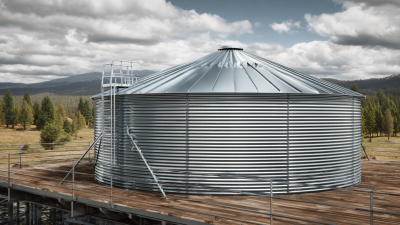
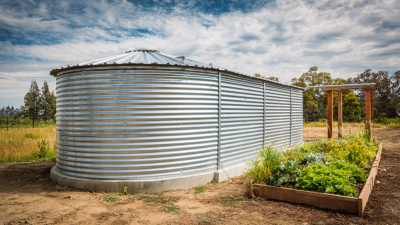
Why Choose Corrugated Steel Water Tanks for Your Needs?
In today’s water storage solutions, the choice of materials is critical. Corrugated Steel Water Tanks are becoming increasingly popular for many reasons. Dr. Emily Carter, a leading expert in sustainable engineering, states, "Corrugated Steel Water Tanks offer unmatched durability and efficiency in water storage." This highlights their importance in various sectors.
These tanks are designed to withstand harsh weather conditions. They are also resistant to corrosion, ensuring a long lifespan. Many businesses and homes benefit from their cost-effectiveness, as they require minimal maintenance. Yet, one must consider if the initial investment aligns with future needs.
Despite their advantages, not all installations are flawless. Improper setup can lead to leakage or inadequate support. It’s essential to address these concerns proactively. Therefore, understanding both the benefits and limitations of Corrugated Steel Water Tanks is crucial for making informed decisions.

Benefits of Corrugated Steel Water Tanks in Water Storage
When considering water storage solutions, corrugated steel water tanks stand out due to their unique benefits. These tanks are highly durable and can last several decades with proper maintenance. According to a report by the Steel Tank Institute, these tanks can endure extreme weather and maintain structural integrity over time. Their corrugated design adds strength while allowing for efficient use of materials.
Another significant advantage of corrugated steel tanks is their cost-effectiveness. Data shows that they are often more affordable to install than traditional concrete tanks. In addition, they require less maintenance, which can save money long-term. Their lightweight nature simplifies transportation and installation. However, not all installations are straightforward; site assessments should be carried out for optimal placement.
Also, consider the environmental aspects. Steel is recyclable and reducing waste is critical. A recent environmental study indicated that using steel tanks could cut carbon emissions during production by up to 20%. But it’s crucial to ensure proper coatings are applied to prevent rusting and contamination. While these tanks offer many benefits, potential buyers should weigh all factors before making a decision.
Benefits of Corrugated Steel Water Tanks in Water Storage
This chart illustrates the various benefits of corrugated steel water tanks based on key dimensions such as durability, cost-effectiveness, maintenance, capacity, and environmental impact. Each category is rated on a scale from 0 to 100%, showcasing the advantages of choosing corrugated steel for effective water storage solutions.
Durability and Longevity of Corrugated Steel Tanks
Corrugated steel tanks are increasingly popular due to their remarkable durability. These tanks can withstand harsh weather conditions. Heavy rain, extreme heat, or even strong winds pose little threat. The steel's corrosion-resistant coating adds an additional layer of protection. This ensures that the tank remains functional for many years.
Longevity is a significant advantage here. Many corrugated steel tanks can last over 30 years with proper maintenance. However, neglecting regular checks can lead to unforeseen issues. Small rust spots can develop if not addressed promptly. But with a bit of care, these tanks are designed to endure.
In terms of performance, these tanks maintain water quality well. Unlike plastic, steel does not leach harmful substances. This is crucial for those relying on tank water for everyday use. Adding insulation further boosts their efficiency. Choosing corrugated steel tanks is a practical solution for long-term water storage needs.
Cost-Effectiveness Compared to Other Water Storage Solutions
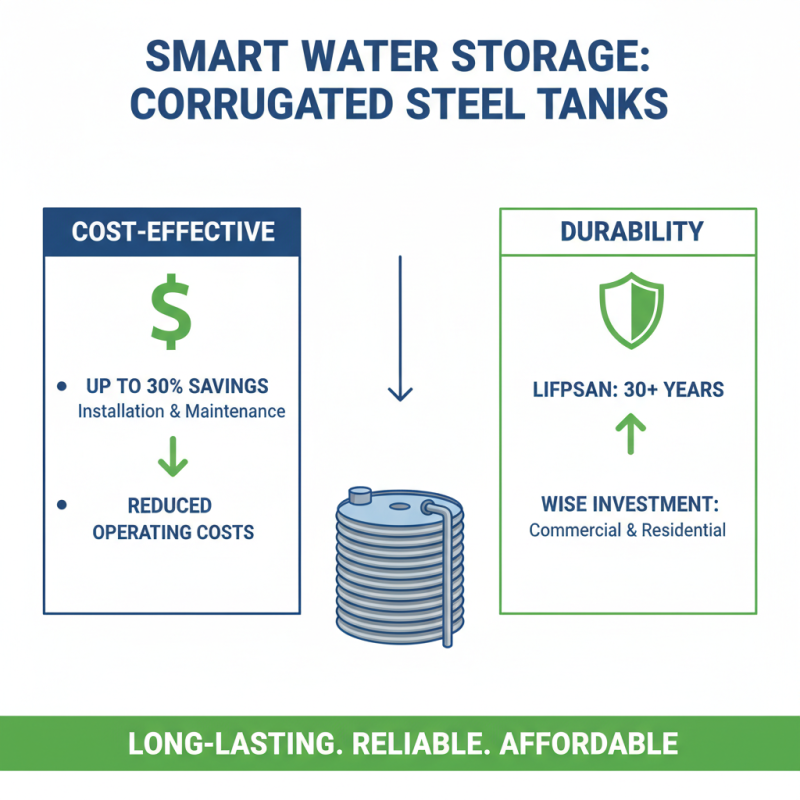
Corrugated steel water tanks offer significant cost-effectiveness in comparison to other water storage options. According to industry studies, these tanks can reduce installation and maintenance costs by up to 30%. Their durability ensures a long lifespan, often exceeding 30 years, making them a wise investment for both commercial and residential use.
When comparing initial costs, corrugated steel tanks frequently have lower upfront expenses than concrete or fiberglass tanks. A report from the Water Storage Solutions Association highlights that the average cost of a corrugated steel tank is approximately $1.50 to $3.00 per gallon, while fiberglass tanks can range from $3.00 to $5.00 per gallon. This pricing differential often makes steel tanks the go-to choice for budget-conscious consumers.
However, potential buyers should note that localized conditions can affect longevity. In regions with extreme weather, extra protective coatings might be necessary. This adds to the initial cost but can enhance the tank's lifespan significantly. Reflections on these aspects are crucial when deciding. Cost savings are important, but understanding long-term value matters too.
Maintenance Requirements for Corrugated Steel Water Tanks
Maintaining corrugated steel water tanks is crucial for their longevity. Regular inspections help identify any rust or corrosion. These tanks are strong, but even steel can weaken over time. Look for signs of wear, especially around the seams and joints. A small patch can prevent larger issues.
Cleaning is another key aspect of maintenance. Sediment tends to accumulate in the bottom. This can affect water quality. Regular cleaning should follow a schedule, ensuring the tank remains functional. Sometimes, using a simple hose can clear out debris, but more thorough methods may be needed annually.
Don't forget about the surrounding area. Keep it free from overhanging branches or debris that can cause damage. Inspecting the foundation is equally essential. A stable base supports the tank’s integrity. If you notice shifting, consider reinforcing it. A little upkeep goes a long way, and being proactive can save you from costly repairs.
Why Choose Corrugated Steel Water Tanks for Your Needs? - Maintenance Requirements for Corrugated Steel Water Tanks
| Aspect |
Details |
| Durability |
Steel tanks are resistant to rust and corrosion due to protective coatings. |
| Maintenance |
Regular inspections to check for signs of wear and tear; repainting may be necessary every few years. |
| Capacity |
Available in various sizes, accommodating different water storage needs. |
| Installation |
Installation requires a flat, stable surface; professional help is recommended for larger tanks. |
| Cost-Effectiveness |
Lower initial cost compared to other materials, with long-term durability providing better value. |
| Environmental Impact |
Made from recyclable materials; reduces waste and promotes sustainability. |
Environmental Considerations: Sustainability of Steel Water Tanks
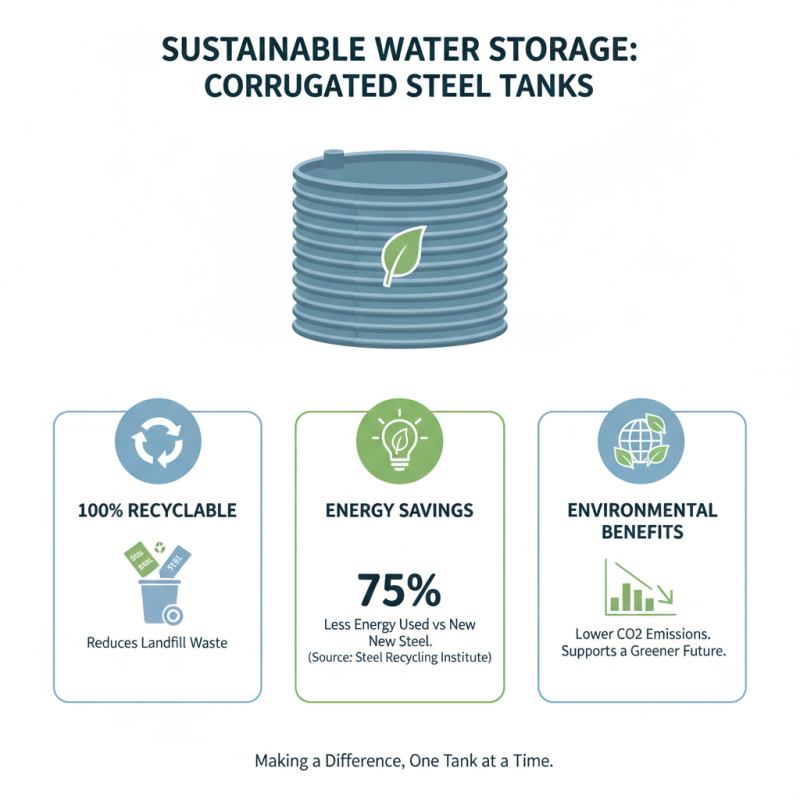
Corrugated steel water tanks are gaining attention for their sustainability. Steel is 100% recyclable, which reduces landfill waste. According to the Steel Recycling Institute, recycling steel saves 75% of the energy required to create new steel. This remarkable aspect highlights how using steel is beneficial for our environment.
However, challenges exist. The production of steel does emit carbon. It’s essential to approach this with care. Environmental reports indicate that steel manufacturing accounts for about 7% of global CO2 emissions. While this number is significant, advancements in technology aim to reduce these emissions further. The introduction of electric arc furnaces is one such improvement, as they utilize recycled steel and are more efficient.
Moreover, corrugated steel tanks can have long lifespans. Normally, they last over 30 years with proper maintenance. This durability helps minimize the need for replacements. Still, consumers should consider their local recycling facilities. Not all areas handle steel recycling efficiently. Awareness and access to recycling options are crucial to enhance sustainability in the long run.