What are the Best Reservoir Tanks for Global Buyers?
In the complex landscape of fluid management, reservoir tanks stand as integral components. They provide storage solutions for various applications, from industrial use to agricultural needs. According to John Stevens, a renowned expert in tank design, "Choosing the right reservoir tank can significantly enhance efficiency." This statement underlines the importance of selecting high-quality tanks.
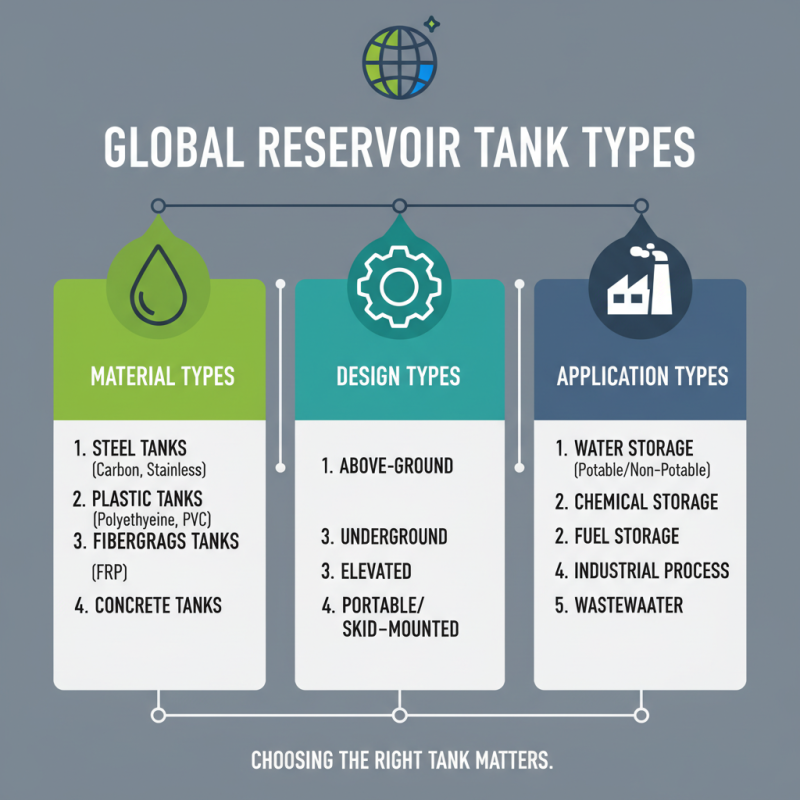
For global buyers, understanding the features of different reservoir tanks is crucial. These tanks come in various materials, capacities, and designs. For instance, fiberglass tanks are known for their durability and corrosion resistance. Steel tanks, on the other hand, provide strength and longevity. Each option has its unique advantages and drawbacks, which require careful consideration.
It's also essential to reflect on the specific needs of each application. Not every tank fits all scenarios. Some users might overlook maintenance requirements, which can lead to long-term issues. Therefore, a thorough assessment of both industry standards and personal needs is vital in making the right choice. In a world where efficiency is key, the decision on reservoir tanks should not be taken lightly.
Overview of Reservoir Tanks: Importance and Uses
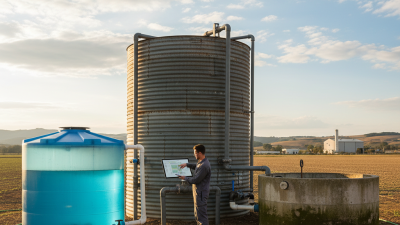
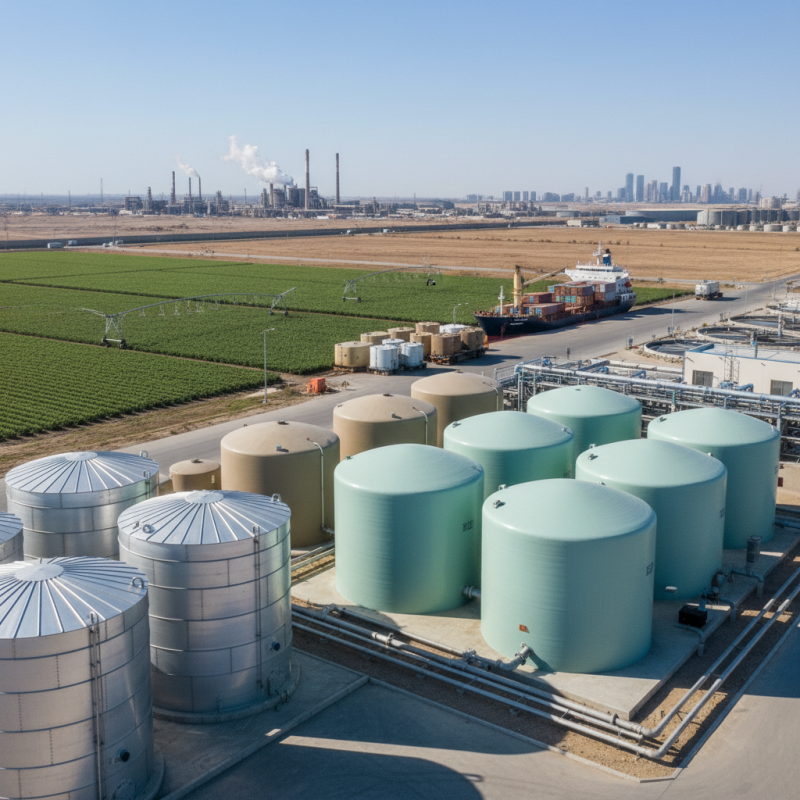
Reservoir tanks play a crucial role in water management. They store water for various uses, including irrigation, industrial processes, and emergency supply. The efficiency of these tanks affects the availability of water in many sectors. Proper design and maintenance are essential for maximizing their effectiveness.
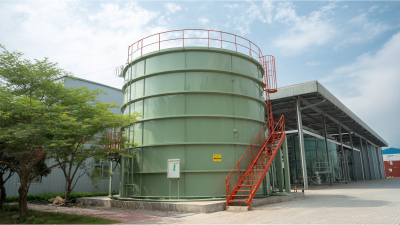
These tanks come in various materials and sizes. Concrete and steel are popular choices due to their durability. However, each material has its pros and cons. For example, while concrete tanks are robust, they can crack over time. Steel tanks may be vulnerable to corrosion without proper coatings. These issues highlight the importance of regular inspections and updates.
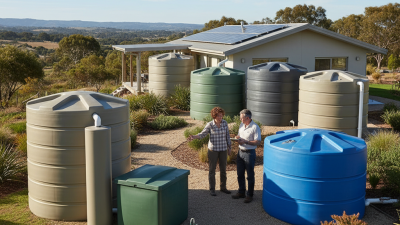
Understanding the specific needs of an area is vital. Factors like climate and water demand influence tank selection. Some regions may favor larger tanks for agriculture, while urban areas may need smaller, more versatile options. Addressing local challenges ensures that the chosen reservoir tank meets community needs effectively.
Types of Reservoir Tanks Available in the Global Market
Reservoir tanks play a crucial role in various industries worldwide. They are essential for storing water, chemicals, or other fluids in different applications. The types of reservoir tanks available in the global market vary significantly. Understanding these options helps buyers make informed decisions.
One of the most common types is the above-ground tank. Reports indicate that these tanks account for over 40% of the market share. They are usually made from materials like steel or plastic and are favored for their ease of installation and maintenance. Additionally, underground tanks are gaining popularity, particularly in urban areas where space is limited. Their concealment often leads to reduced evaporation losses and minimizes the environmental impact.
With the shift towards sustainability, flexible membrane tanks have emerged as a viable alternative. These tanks are lightweight and can be expanded as needed. A recent study highlighted that their usage has increased by 30% in the past five years. However, some challenges remain, such as potential puncture risks and changes in temperature affecting their integrity. Understanding these nuances can guide global buyers to select the best reservoir tanks for their needs.
Key Features to Consider When Choosing Reservoir Tanks
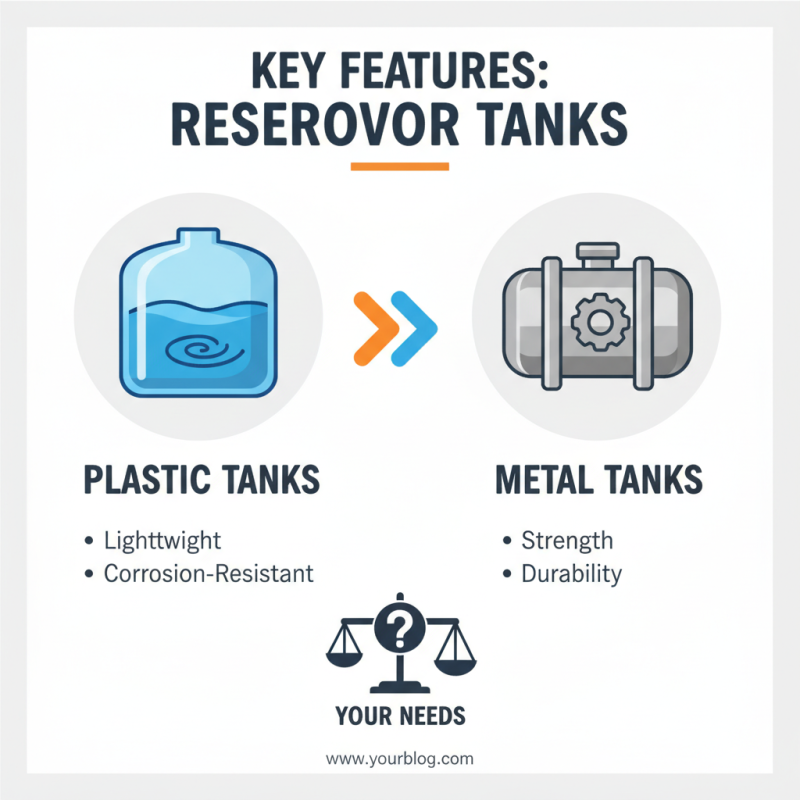
When selecting reservoir tanks, several key features should be prioritized. First, consider the tank's material. Most tanks are made from plastics or metals. Each material has its advantages. Plastic is lightweight and resistant to corrosion. Metal, however, offers strength and durability. Evaluate your specific needs to determine which material is better suited for your application.
Next, assess the tank's capacity and dimensions. The size should fit your available space and meet your water storage requirements. Many options exist, from small tanks for residential use to large units for industrial purposes. Additionally, look at the tank's features, such as inlet and outlet fittings, as well as the option for additional ports. These can enhance the tank's functionality.
Lastly, think about regulatory standards in your region. Compliance is crucial, especially for agricultural or drinking water applications. Ignoring these regulations can lead to costly consequences. Always confirm the tank's certifications. This ensures its reliability and safety in use. Understanding these aspects can lead to a more informed purchase decision, ultimately maximizing your investment.
Top Manufacturers and Brands of Reservoir Tanks Worldwide
When it comes to reservoir tanks, understanding the best manufacturers is crucial for global buyers. A recent market report indicates that the reservoir tank industry is projected to grow by 5.2% annually over the next five years. This growth is driven by increasing demand in sectors like agriculture and water management.
Key players across the globe emphasize durability, efficiency, and innovation. Manufacturers focus on materials that withstand environmental challenges. For instance, many tanks now use high-density polyethylene (HDPE) for better longevity. Some reports highlight that nearly 70% of buyers prioritize tanks designed for energy efficiency. However, not all brands can meet these expectations, leading to buyer confusion.
Investing in the right tank is a decision requiring careful thought. It’s essential to weigh factors like tank size, material, and where the tank will be used. There are reports of buyers regretting hasty decisions due to inadequate research. Therefore, assessing both manufacturer reputation and product specifications is vital. This ensures that the chosen tank meets specific needs and complies with all safety standards.
What are the Best Reservoir Tanks for Global Buyers? - Top Manufacturers and Brands of Reservoir Tanks Worldwide
| Tank Size (Liters) |
Material |
Usage Type |
Applications |
Estimated Price (USD) |
| 1000 |
Polyethylene |
Above Ground |
Irrigation, Water Storage |
300 |
| 5000 |
Fiberglass |
Underground |
Stormwater Management |
1,200 |
| 2500 |
Steel |
Above Ground |
Industrial Use |
800 |
| 1500 |
Polypropylene |
Above Ground |
Chemical Storage |
600 |
| 20000 |
Concrete |
Underground |
Environmental Applications |
4,500 |
Comparative Analysis of Reservoir Tanks: Pricing and Quality Factors
When choosing reservoir tanks, two essential factors to consider are pricing and quality. A comparative analysis reveals that the cost of reservoir tanks often correlates with their materials and construction methods. Higher-quality tanks typically come with a steeper price tag. For instance, fiberglass tanks may cost more upfront but offer better durability and longevity than lower-priced polyethylene options.
Quality does not only mean durability; it also affects efficiency and maintenance. Tanks made with superior materials may require less frequent repairs, saving money in the long run. However, some lower-quality options can be tempting due to their initial affordability. Remember that compromised quality might lead to costly failures.
Tip: Evaluate your specific needs before purchasing. Consider the intended use and local environmental conditions.
Another important aspect is warranty and support. Some manufacturers offer extensive warranties alongside their products, reflecting confidence in their quality. A longer warranty can provide peace of mind.
Tip: Always check customer reviews and expert opinions. They often reveal crucial insights about tank performance.